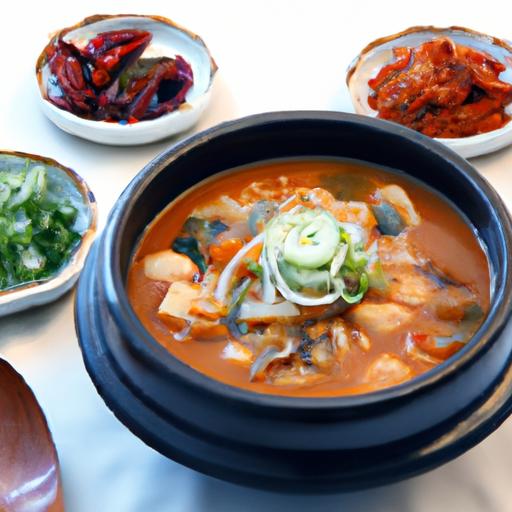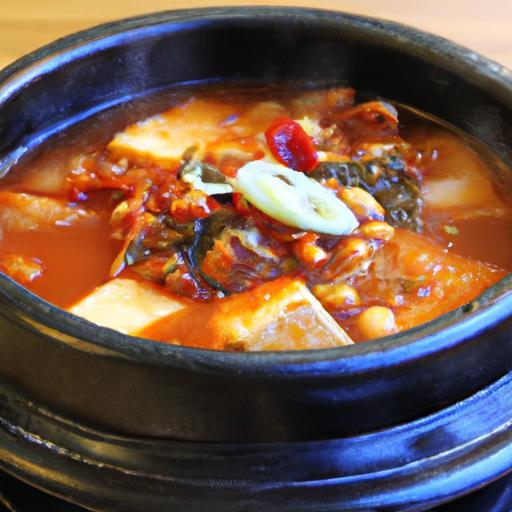

In the heart of Korean cuisine lies a humble yet profoundly comforting dish: Doenjang jjigae, the soulful soybean stew that has nourished generations. More than just a meal, this rich, earthy stew captures the essence of tradition, simmering with fermented soybean paste that imparts a deep umami flavor unique to Korea’s culinary heritage. As the steam rises from a bubbling pot, Doenjang Jjigae invites you to savor not only its complex taste but also the stories and culture embedded within every hearty spoonful. Join us as we explore the origins, ingredients, and timeless appeal of this beloved stew-a true embodiment of korean warmth and resilience.
Savoring Korean Doenjang Jjigae: The soulful Soybean Stew opens a door to one of Korea’s most beloved and nourishing dishes. Rooted deeply in conventional Korean culture, this hearty stew is prized not only for its comforting warmth but also for its complex harmony of earthy, savory, and subtly sweet flavors derived from fermented soybean paste. Every spoonful tells a story of time-honored fermentation techniques and communal dining experiences. Whether you’re a seasoned fan of Korean cuisine or newly curious,mastering this stew will enrich your cooking repertoire with authentic taste and soul.
Prep and Cook Time
- Planning: 15 minutes
- Cook Time: 30 minutes
- Total Time: 45 minutes
Yield
Serves 4 generously, perfect for sharing around the table.
Difficulty Level
Medium – balancing flavors requires attentive tasting, but the steps are straightforward.
Essential Ingredients and Fresh Additions for Authentic Taste
- 4 cups water or homemade anchovy broth for depth
- 3 tablespoons doenjang (Korean fermented soybean paste)
- 1/2 medium onion, sliced thinly
- 1 fresh zucchini, cut into half-moon slices
- 1 cup firm tofu, cubed
- 2 cloves garlic, minced
- 1/2 cup shiitake mushrooms, sliced
- 1 small green chili or fresh chili pepper, sliced (optional for heat)
- 2 scallions, chopped
- 1 teaspoon sesame oil (optional)
- Salt and pepper to taste
Step-by-Step Instructions to Master the Art of Balancing Flavors
- Prepare the Base: In a medium pot, bring 4 cups of water or anchovy broth to a gentle boil. Use anchovy broth if you desire a richer, umami-packed stew.
- Dissolve the Doenjang: Gradually whisk in 3 tablespoons of doenjang untill fully dissolved, creating the stew’s savory backbone. Taste and adjust for saltiness before proceeding.
- Add Aromatics: Stir in the sliced onion and minced garlic. Allow them to simmer for 5 minutes until fragrant and soft, enhancing the stew’s depth.
- Introduce Vegetables and tofu: Add the zucchini slices, shiitake mushrooms, and cubed tofu. Simmer gently for 10-15 minutes, letting the flavors meld without boiling too vigorously.
- Season and Spice: Incorporate sliced green chili for a subtle heat, balancing the stew’s rich earthiness. Adjust salt or add a pinch of sugar if the stew tastes too sharp.
- Finish and Garnish: Remove from heat, drizzle with a teaspoon of sesame oil, and sprinkle chopped scallions on top for freshness and a pop of color.
- Final Taste Test: Always taste at the end, adjusting seasoning carefully to ensure a harmonized profile of savory, sweet, and spicy notes.
Tips for Serving Doenjang Jjigae Like a Korean Culinary Pro
Serve your soybean stew steaming hot alongside a bowl of fluffy steamed rice to soak up every rich drop. Complement the meal with banchan – small Korean side dishes like kimchi or pickled radish – that refresh the palate between spoonfuls. Garnishing with fresh scallions or a few shreds of dried seaweed adds texture and visual contrast. For a true professional touch, use traditional Korean earthenware (ttukbaegi) to serve the stew, preserving heat and enhancing the rustic experience.
Chef’s Notes and Tips for Success
- Broth Base: Homemade anchovy broth adds depth, but vegetable broth can work well for vegetarians.
- Ingredient Variations: Experiment with seasonal vegetables like potatoes, spinach, or Korean radish (mu) for different textures.
- Doenjang Quality: Choose high-quality, naturally fermented doenjang; avoid overly salty or processed brands for best results.
- Consistency: Adjust water quantity for preferred stew thickness - less water yields a heartier, thicker stew.
- Make-Ahead: This stew tastes even better the next day as flavors deepen. Store refrigerated and reheat gently.
Nutritional Information per Serving
| Nutrient | Amount |
|---|---|
| Calories | 180 kcal |
| Protein | 12 g |
| Carbohydrates | 15 g |
| Fat | 6 g |

Discover other traditional Korean recipes like authentic kimchi to complement your stew. For a deep dive into the art of Korean fermentation, visit the thorough resource at Maangchi’s Doenjang Overview.
Q&A
Q&A: Savoring Korean Doenjang Jjigae – The Soulful Soybean Stew
Q1: What is Doenjang Jjigae, and why is it considered soulful?
A1: Doenjang Jjigae is a traditional Korean stew made primarily from fermented soybean paste called doenjang. It’s considered soulful because it embodies the heart of Korean home cooking-simple, hearty, and nourishing. Every spoonful carries layers of umami, earthiness, and warmth, connecting eaters to centuries of culinary heritage and comfort.
Q2: What makes doenjang the star ingredient in this stew?
A2: Doenjang is a deeply fermented soybean paste, rich in probiotics and complex flavors. It’s the essence of Korean fermentation traditions, offering a robust, savory backbone to the stew. Unlike other pastes, doenjang brings a nutty, slightly tangy depth that turns an ordinary mix of vegetables and broth into a symphony of taste.
Q3: Which ingredients typically accompany doenjang in the stew?
A3: Doenjang Jjigae invites a garden of fresh produce to the pot: zucchini,Korean radish,potatoes,mushrooms,and frequently enough soft tofu. Some versions add small clams or beef for extra umami. Green chili peppers and garlic enhance the stew’s warmth, while anchovy broth often serves as the flavorful base.
Q4: How is doenjang Jjigae traditionally enjoyed in Korean culture?
A4: This stew is a shared experience around the table, usually accompanied by steaming bowls of rice and an array of banchan (side dishes). It’s more than just a meal-it’s a ritual of comfort, conversation, and communal warmth, often eaten during chilly days or whenever the soul craves a nostalgic hug.
Q5: Can Doenjang Jjigae be adapted for modern or international kitchens?
A5: Absolutely! While authentic ingredients bring the most depth, you can adapt Doenjang Jjigae by using readily available fermented soybean paste or miso as a substitute, adjusting vegetable choices based on seasons and locality, and experimenting with protein additions. The key is layering flavors slowly and savoring the stew’s evolving complexity.
Q6: Why should someone new to Korean cuisine try doenjang Jjigae?
A6: For newcomers, Doenjang Jjigae offers a perfect gateway into Korean flavors-it’s comforting, approachable, and deeply flavorful without being overwhelming. It’s a stew that reveals how simple ingredients, fermented to perfection, can create a dish full of soulful richness and cultural history.
Q7: What tips can definitely help in making the perfect bowl of Doenjang Jjigae at home?
A7: Start with a good quality, well-fermented doenjang paste; don’t rush the simmering process, allowing flavors to meld beautifully. Layer ingredients thoughtfully-add delicate tofu last to keep its texture, and season gradually, tasting as you go. And remember, like any soulful dish, it tastes best when shared.
Closing Remarks
As the fragrant steam of doenjang jjigae rises, it carries with it centuries of Korean tradition and the comforting essence of home. This soulful soybean stew is more than just a dish-it is a hearty narrative of culture, community, and culinary craftsmanship. Whether enjoyed bubbling on a winter’s night or shared among friends at a bustling table, each spoonful invites you to savor the deep umami, the tender vegetables, and the wholesome warmth that define Korean comfort food. Embracing doenjang jjigae is an invitation to connect with a rich heritage, reminding us that sometimes, the simplest ingredients create the most profound flavors-nourishing both body and spirit alike.