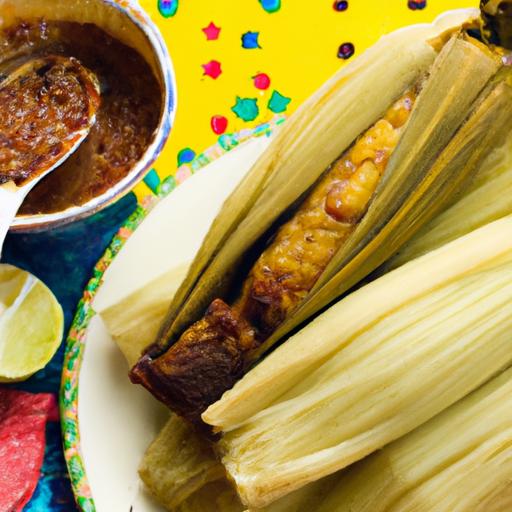
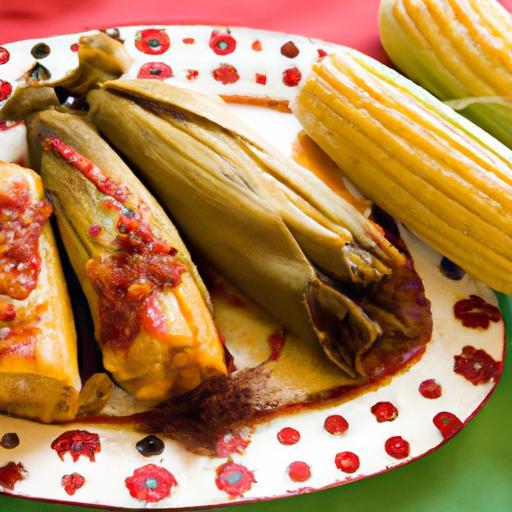

There’s a particular kind of magic that fills the air when corn tamales begin to steam-an aroma rich with history, culture, and the promise of somthing deeply comforting. More than just a dish, corn tamales are edible stories wrapped in husks, carrying generations of tradition and a symphony of flavors that dance between sweet and savory. In this article, we journey into the heart of sweet tamales, uncovering thier origins, the art of their planning, and the special place they hold in celebrations and everyday life. Join us as we explore how this humble corn-based treat transforms simple ingredients into a timeless symbol of connection and joy.
Sweet Traditions: Exploring the Magic of Corn tamales invites you to discover not only a appetizing dish but a treasured cultural experience that spans centuries and regions.Originating from indigenous Mesoamerican civilizations, corn tamales were once considered a sacred food, symbolizing community, celebration, and the harmonious relationship between people and the earth. For me, tamales are more than a meal-they’re a bridge to family memories and vibrant fiestas, where every fold of corn husk holds stories of love and shared heritage.
Prep and Cook Time
- Preparation: 45 minutes
- cooking: 1 hour 30 minutes
- Total Time: 2 hours 15 minutes
Yield
Approximately 24 tamales, serving 6 to 8 people
Difficulty Level
Medium – Ideal for both adventurous beginners and seasoned cooks willing to embrace tradition
Ingredients
- 4 cups masa harina (corn dough flour)
- 3 cups warm chicken or vegetable broth
- 1 ½ cups unsalted lard or vegetable shortening, softened
- 2 teaspoons baking powder
- 2 teaspoons kosher salt
- 30 dried corn husks, soaked in warm water for at least 1 hour
- 2 cups shredded cooked chicken, pork, or your preferred filling
- 1 cup salsa roja or green salsa (for filling and serving)
- Optional fillings: roasted peppers, cheese, sautéed mushrooms, or sweetened raisins
A Culinary Journey: Crafting the Perfect Dough
The heart of authentic tamales lies in the masa dough, crafted meticulously with fine masa harina and rich lard to achieve that light, fluffy texture that melts in the mouth. Combining warm broth instead of water deepens the flavor profile and keeps each bite moist. Baking powder acts as a leavening agent, giving the dough its delicate lift without overpowering the subtle corn essence. A pinch of salt balances the mixture, while patience and gentle mixing ensure a smooth, spreadable dough ready for wrapping.
Flavorful Fillings and Pairings to Elevate Your Tamale Experience
While the dough embodies tradition, the fillings speak to creativity and personal taste.Classic shredded pork smothered in a smoky chipotle sauce or tender chicken bathed in tomatillo salsa capture the essence of Mexican comfort food. For a vegetarian twist, earthy mushrooms sautéed with garlic and fresh herbs or tangy queso fresco combined with roasted poblanos turn every tamale into a celebration of flavors. Pair tamales with a crisp side salad or a hearty bowl of black beans and rice to round out your meal.
Step by Step guide to Wrapping and Cooking Tamales Like a Pro
- Prepare your workspace: Soak the dried corn husks in warm water for at least an hour until pliable. Drain and pat dry.
- Mix the masa dough: In a large bowl, beat the softened lard with an electric mixer until fluffy. Gradually add masa harina,baking powder,and salt,alternating with warm broth,mixing until the dough has a soft but spreadable consistency. A simple test: drop a small ball of dough in cold water; if it floats, it’s perfect.
- Lay out the husks: Place one husk on a flat surface, smooth side down. Spread about 3 tablespoons of masa in the center, leaving edges clean for folding.
- Add filling: Spoon about 1 tablespoon of your chosen filling over the masa, spreading gently but leaving room at edges.
- Fold expertly: Fold the sides of the husk towards the center,overlapping slightly,then fold the bottom up. tie with thin strips of husk if needed to secure.
- Arrange for steaming: Place tamales upright in a steamer basket, open side up. Cover with a damp cloth and the remaining husks.
- Steam to perfection: Fill a large pot with about 2 inches of water, bring to a boil, then reduce to a simmer. Cover the steamer and cook tamales for 1 hour 30 minutes, adding water as needed. Test doneness by checking if masa pulls away easily from the husk.
Chef’s Notes: Tips for Success
- Consistency is key: Adjust masa dough by adding broth or masa harina in small increments for the ideal lightness.
- Soak husks thoroughly: Properly hydrated husks prevent breakage when wrapping.
- Filling variations: Consider lightly seasoning your filling to complement but not overpower the masa’s subtlety.
- Make ahead: Tamales freeze well before steaming; cook directly from the freezer by adding extra steaming time.
- Steaming tips: keep the steamer covered tightly to trap steam, ensuring tender tamales.
Serving Suggestions
Serve your warm tamales elegantly plated with vibrant fresh salsa, a dollop of Mexican crema, and sprinkled chopped cilantro. For a festive touch, accompany with pickled jalapeños, sliced avocado, or a side of tangy refried beans. Whether breakfast, lunch, or dinner, a well-executed tamale is a sensory journey-rich, comforting, and steeped in tradition.

| Nutrient | Per Tamale (Approx.) |
|---|---|
| Calories | 220 |
| Protein | 8g |
| Carbohydrates | 28g |
| Fat | 8g |
For those inspired to dive deeper into the roots of corn tamales and Mesoamerican cuisine, this Smithsonian resource offers outstanding insights into indigenous foodways. You might also enjoy exploring our related recipe for Homemade mexican Pozole, a complementary traditional stew that enhances your culinary journey through authentic mexican flavors.
Q&A
Q&A: Sweet Traditions – Exploring the Magic of corn Tamales
Q1: What exactly are corn tamales, and why are they considered a “sweet tradition”?
A1: Corn tamales are a beloved staple in many latin American cultures, made from masa (a dough of ground corn) that’s steamed or boiled in a leaf wrapper. While savory tamales ofen steal the spotlight, sweet corn tamales hold a special place in the heart of tradition. Their sweetness-often enhanced with ingredients like cinnamon, raisins, piloncillo (unrefined cane sugar), or even chocolate-evokes nostalgic memories and celebrates the natural bounty of corn, transforming a humble grain into a festive delight.
Q2: how did corn tamales become such an integral part of cultural celebrations?
A2: Corn tamales date back thousands of years to pre-Hispanic civilizations in Mesoamerica,where corn was considered sacred. These communities crafted tamales as offerings to gods and as nourishment for their people. Over time, tamales evolved into ceremonial foods, featured in holidays, family gatherings, and rites of passage. Their portability and versatility made them perfect for sharing stories, strengthening bonds, and honoring heritage-especially during festive seasons where sweet versions symbolize joy and abundance.
Q3: What makes the sweet varieties of tamales unique compared to their savory cousins?
A3: While savory tamales boast fillings like meats, cheeses, or chilies, sweet tamales highlight the masa itself as a canvas for dessert-like flavors. The masa for sweet tamales is often mixed with sugar,vanilla,or spices before steaming,creating a tender,moist texture that melts in your mouth. They may include additions like pineapple, nuts, or chocolate chips inside or drizzled with honey or syrup on top-bridging the gap between dessert and cultural ritual, marrying simplicity with indulgence.
Q4: Can you explain the importance of corn in the making of tamales?
A4: Corn isn’t merely an ingredient in tamales-it’s the soul of the dish. In indigenous cosmology, corn is life itself, a gift from the earth and sky. The process of nixtamalization (soaking and cooking corn with an alkaline substance) transforms corn kernels into masa, unlocking flavors and nutrition. This ancient technique ensures tamales have the perfect structure and taste. Thus, tamales carry centuries of history, cultural identity, and agricultural wisdom wrapped in every bite.
Q5: How do families and communities keep the tradition of sweet corn tamales alive today?
A5: From bustling kitchens during Día de los Muertos to festive Christmas mornings, sweet tamales are often a labor of love-made in communal settings where recipes are passed from grandmothers to children like precious heirlooms. Today, many families honor this tradition by gathering in “tamaladas,” social tamale-making events filled with laughter, music, and storytelling. Some chefs and home cooks creatively reinterpret sweet tamales, fusing traditional ingredients with modern flavors, ensuring the magic of these corn treats continues to enchant new generations.
Q6: Where can someone new to sweet corn tamales start their sweet tamale journey?
A6: Dive in by seeking tamales from authentic Latin markets or family-owned bakeries renowned for their home-style recipes. Experimenting to make your own sweet tamales can also be deeply rewarding-start with a simple recipe using masa, sugar, cinnamon, and raisins wrapped in corn husks. As you lift the steamed tamales from their wrappers, inhale that warm, fragrant aroma that feels like a sweet whisper from the past. Each bite is a celebration of culture, history, and the timeless magic of corn.
In Retrospect
As the last bite of a warm, corn-filled tamale melts away, what lingers is more than just flavor-it’s a taste of history, culture, and community folded together like the husks that cradle each parcel of masa. Corn tamales are not merely a dish; they are sweet traditions passed down through generations, a delicious reminder of the magic found in simple ingredients and the stories they carry. Whether enjoyed during a festive gathering or as a quiet comfort on an ordinary day,tamales invite us to savor the rich tapestry of heritage and heart that make them truly unforgettable. So next time you unwrap that humble bundle, remember: you’re partaking in a culinary ritual that transcends time, connecting past and present in every bite.