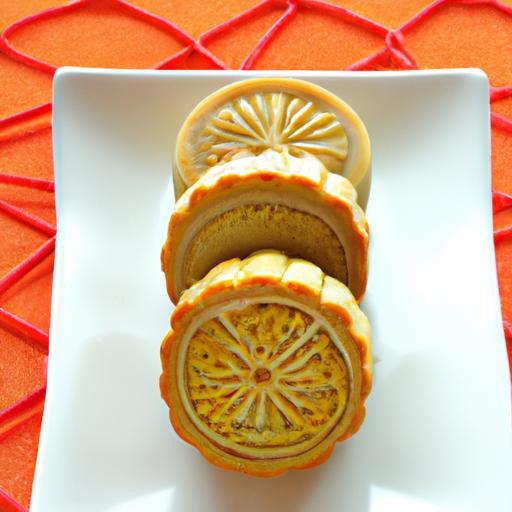

Beneath the glow of the harvest moon, a beloved tradition takes on a modern twist-snow skin mooncakes. These delicate, chilled confections have reinvented the classic mooncake experience, offering a refreshing option to the rich, baked pastries that have long symbolized the Mid-Autumn Festival. With their translucent, tender skins and an array of innovative fillings, snow skin mooncakes are capturing the hearts of both traditionalists and adventurous food lovers alike. In this article, we explore how this icy delight blends heritage with creativity, reshaping a centuries-old festivity into a contemporary culinary pleasure.
Snow Skin Mooncakes captivate both the eye and palate with their cool, supple exterior and luscious fillings, offering a refreshing twist on a centuries-old Mid-Autumn tradition. Originally crafted in Hong Kong during the 1980s as a modern alternative to the classic baked mooncakes, these delicate treats have since blossomed into a beloved festival staple, celebrated for their vibrant colors and innovative flavors. My first encounter with snow skin mooncakes was at a bustling family gathering, where their subtle sweetness and melt-in-the-mouth texture instantly made them the star of the dessert table, inspiring me to recreate them with my own creative flair.
Prep and Cook Time
- Planning: 40 minutes
- Chilling Time: 2 hours
- Total Time: 2 hours 40 minutes
Yield
8 mooncakes (approximately 80g each)
Difficulty Level
Medium – requires some patience and precision but perfect for adventurous home bakers
Ingredients
- Snow Skin Dough:
- 100g glutinous rice flour
- 50g rice flour
- 40g powdered sugar
- 200ml milk (or coconut milk for a tropical twist)
- 30ml vegetable oil (neutral flavor)
- Food coloring or matcha powder (optional for vibrant hues)
- Filling Options:
- 200g lotus seed paste
- 100g red bean paste
- Chocolate ganache or fruit jams for modern reinterpretations
- Salted egg yolks (optional, customary element)
- dusting:
- Cornstarch or glutinous rice flour to prevent sticking
Instructions
- Prepare the Snow Skin Dough: in a mixing bowl, sift together the glutinous rice flour, rice flour, and powdered sugar. Gradually whisk in the milk and vegetable oil until the mixture is smooth with no lumps. Add chosen natural coloring or matcha powder to achieve the desired shade.
- Steam the Dough: Pour the batter into a heatproof dish and steam over high heat for 20 minutes. To check, insert a toothpick; it should come out clean. Remove and stir with a spatula to distribute heat evenly. Steam for another 10 minutes until dough is firm and slightly translucent.
- Cool and Knead: Transfer the steamed dough to a floured surface dusted with cornstarch. knead gently while warm until silky and pliable.cover with plastic wrap and allow to chill in the refrigerator for at least 1 hour to firm up.
- Prepare the Filling Balls: Divide your filling (e.g., lotus seed paste) into 8 equal portions and shape each into a smooth ball. If using salted egg yolks, encase them within the paste balls for an authentic burst of richness.
- Shape the mooncakes: Divide the dough into 8 equal pieces. Flatten each piece into a thin round about 3 inches in diameter, ensuring edges remain thinner for wrapping. Place a filling ball in the center and gently wrap the dough around it, pinching edges to seal completely.
- Mold and Chill: Lightly dust a mooncake mold and pack each stuffed dough ball firmly inside. Tap out the shaped mooncake onto a tray lined with parchment paper. Chill the shaped mooncakes in the refrigerator for at least 1 hour-this helps set their delicate contours.
- Serve Fresh: snow skin mooncakes are best enjoyed chilled, their cool, chewy exterior and sweet interior harmonizing beautifully with light beverages.
Tips for Success
- Use fresh ingredients and carefully control the steaming time to prevent the dough from becoming to sticky or too dry.
- Dust your hands and working surfaces generously with cornstarch to avoid dough sticking during shaping.
- Customize flavors by infusing the dough with pandan or matcha powder or experiment with fillings like mango puree or black sesame paste for exciting variations.
- To prepare ahead, freeze mooncakes individually wrapped in plastic wrap. Defrost in the refrigerator prior to serving to preserve texture.
- For a gluten-free treat, this recipe is naturally suitable as it uses rice flours exclusively.
Serving Suggestions
Present your snow skin mooncakes on a delicate porcelain plate, garnished with edible flowers or a sprinkle of gold leaf for a luxurious touch. Pair them alongside floral or lightly roasted teas-such as jasmine green tea, oolong, or pu-erh-which complement the gentle sweetness and creamy texture.For added indulgence, serve with fresh seasonal fruits like lychee or persimmon, or a scoop of herbal-infused sorbet.
| Nutritional Info (per mooncake) |
Calories | Protein | Carbs | Fat |
|---|---|---|---|---|
| Snow Skin Mooncake (approx.) | 230 kcal | 4 g | 42 g | 4 g |
For an in-depth exploration of traditional mooncakes and their history, check out our Traditional Mooncakes Guide. To learn more about the cultural roots of Mid-Autumn Festival delicacies, visit the Encyclopedia Britannica.

Q&A
Q&A: Snow Skin Mooncakes – A Refreshing Twist on Tradition
Q1: What exactly are snow skin mooncakes?
A1: Snow skin mooncakes are a modern take on the classic mooncake, traditionally enjoyed during the Mid-Autumn Festival. Unlike baked mooncakes with a golden crust, snow skin mooncakes have a soft, chewy, and translucent outer layer made from glutinous rice flour, served cold and often with innovative, refreshing fillings.
Q2: How did snow skin mooncakes come about?
A2: Snow skin mooncakes originated in Hong Kong in the 1980s as a response to younger generations seeking lighter, less oily alternatives to traditional mooncakes. This innovation transformed the festival treat into a cooler, less dense delicacy-perfect for warmer climates and modern palates.
Q3: What sets snow skin mooncakes apart from traditional mooncakes?
A3: While traditional mooncakes are baked with a rich, dense pastry and often feature fillings like lotus seed paste or salted egg yolks, snow skin mooncakes are unbaked and chilled. Their snow-white, tender exterior provides a delicate chewiness, and fillings can range from classic pastes to fruity, creamy, or even ice-cream-inspired varieties.
Q4: What are some popular fillings for snow skin mooncakes?
A4: Beyond the traditional red bean or mung bean pastes, snow skin mooncakes often showcase inventive fillings such as matcha green tea, chocolate ganache, fresh fruit purees, durian, or taro cream. This versatility invites adventurous eaters to explore new flavors alongside tradition.
Q5: How should snow skin mooncakes be enjoyed?
A5: Snow skin mooncakes are best served chilled, offering a refreshing coolness that contrasts with the warmth of Mid-Autumn gatherings. Their delicate sweetness pairs beautifully with jasmine or green tea, creating a harmonious balance of flavors and textures.
Q6: are snow skin mooncakes healthier than traditional ones?
A6: While ”healthier” can be subjective, snow skin mooncakes typically contain less oil and sugar than their baked counterparts, offering a lighter alternative. However, their fillings may still be rich in calories, so moderation is key.
Q7: Can snow skin mooncakes be made at home?
A7: Absolutely! Making snow skin mooncakes at home is a fun culinary project-mixing glutinous rice flour, milk, and sugar for the skin, then wrapping around your choice of filling. with a bit of practice, you can experiment with flavors and designs to suit your taste and creativity.
Q8: Why are snow skin mooncakes gaining global popularity?
A8: Snow skin mooncakes resonate globally as they blend cultural heritage with contemporary tastes and aesthetics. Their cool texture, creative fillings, and visually appealing appearance captivate food lovers and introduce a fresh dimension to a centuries-old tradition.
Q9: What does the snow skin symbolize in the context of the Mid-Autumn Festival?
A9: The “snow skin” evokes purity, softness, and a serene beauty akin to a moonlit night’s gentle glow. it reflects the festival’s themes of reunion and harmony, while embracing innovation-just like the moon’s ever-changing phases.
Q10: Where can I find authentic snow skin mooncakes?
A10: Authentic snow skin mooncakes are commonly found in Asian bakeries, especially in Hong Kong, Taiwan, Singapore, and major Chinatowns worldwide during the Mid-Autumn Festival. Many patisseries also craft artisanal versions year-round, blending tradition with modern flair.
Embracing the subtle chill and delicate sweetness of snow skin mooncakes invites us to savor heritage through a refreshing new lens-proving that tradition can always evolve, one bite at a time.
Key Takeaways
As the delicate snow skin encases the rich, flavorful fillings of these mooncakes, it brings a cool, refreshing twist to a time-honored tradition. Snow skin mooncakes invite us to reimagine the Mid-Autumn Festival, blending innovation with heritage in every bite. Whether enjoyed under the glow of the full moon or shared among loved ones, these ethereal treats remind us that even the oldest customs can be refreshed, offering new textures and tastes that delight the palate and the spirit alike. So next time the moon rises high, consider savoring a snow skin mooncake-a modern marvel wrapped in centuries of cultural importance.