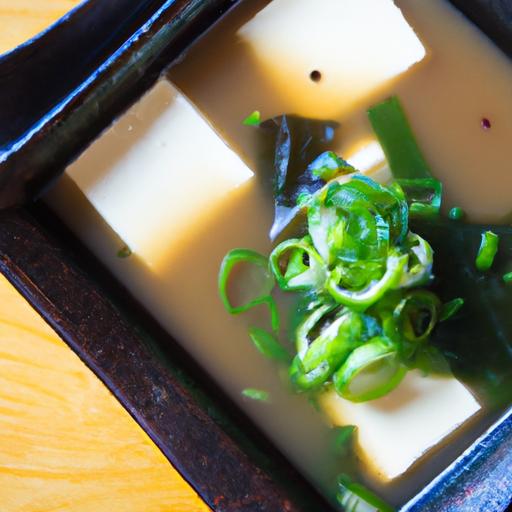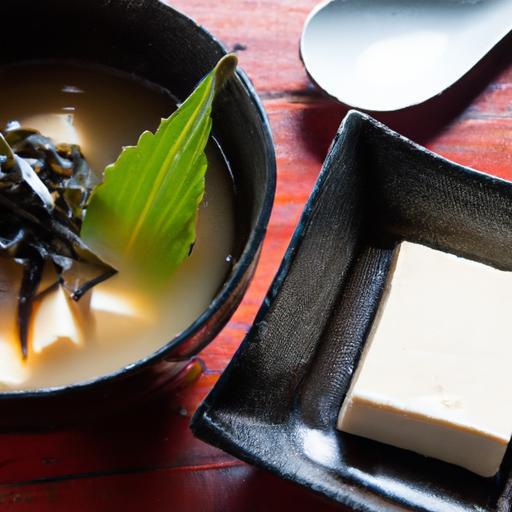

There’s a quiet magic simmering in a humble bowl of miso soup-a timeless Japanese comfort that captivates the palate with its delicate harmony of flavors. At its heart lies a savory broth, kissed by the subtle umami of fermented soybean paste, gently embracing tender cubes of silken tofu and the briny whispers of seaweed. This soothing concoction offers more than just warmth; it invites you to explore a culinary tradition steeped in simplicity and balance. Join us as we uncover the nuanced tastes and cultural richness behind miso soup with tofu and seaweed-a dish that nourishes both body and soul.
Discover the Delicate Flavors of Miso Soup with Tofu & Seaweed
Discover the delicate flavors of miso soup with tofu & seaweed – a comforting and nutritious classic from Japan that has enchanted food lovers worldwide.This humble broth, kissed by fermented miso paste and enriched with silky tofu and umami-rich seaweed, is more than just a starter; its a celebration of simplicity and balance that awakens the senses and warms the soul. Drawing from years of culinary passion,I’ll guide you through the artful dance of flavors and textures that make this soup a staple in any kitchen.
Prep and Cook Time
- Preparation: 10 minutes
- Cooking: 15 minutes
- Total: 25 minutes
Yield
Serves 4 generous bowls
Difficulty Level
Easy – perfect for beginners and seasoned cooks alike
Ingredients
- 4 cups dashi stock (preferably kombu and bonito based)
- 3 tbsp white miso paste (adjust to taste)
- 200g silken tofu, cut into 1/2-inch cubes
- 1 tbsp dried wakame seaweed (rehydrated and drained)
- 2 scallions, thinly sliced
- 1 tsp soy sauce (optional, for added depth)
- 1/2 tsp toasted sesame seeds (for garnish)
Instructions
- Prepare the dashi stock: Begin by warming the dashi stock in a medium saucepan over medium heat until steaming but not boiling.
- Dissolve the miso: Ladle about 1/2 cup of warm dashi into a small bowl. Whisk in the white miso paste until smooth, ensuring no lumps remain.
- Incorporate miso to stock: Slowly pour the miso mixture back into the saucepan, stirring gently. Maintain low heat to preserve the miso’s delicate flavors; avoid boiling.
- Add tofu and wakame: Gently fold in the silken tofu cubes and hydrated wakame seaweed. Simmer for 3-4 minutes to warm without breaking up the tofu.
- season softly: Taste and add a splash of soy sauce if desired, balancing the umami elements without overpowering the soup.
- Garnish and serve: Pour the soup into bowls and sprinkle with sliced scallions and toasted sesame seeds for fresh aroma and texture contrast.
Tips for success
- Choosing the perfect tofu texture: Silken tofu melts lightly in your mouth and gives the broth a creamy silkiness. For firmer texture, opt for medium tofu but handle gently to avoid crumbling.
- Balancing umami: Use quality white miso for subtle sweetness, or mix in red miso for a richer, deeper profile.Always add miso off heat to keep those vital enzymes intact.
- Seaweed selection: Wakame is traditional, offering a delicate sea flavor and tender texture.For extra nutrients, experiment with kombu or hijiki, but rehydrate separately to avoid overpowering the broth.
- Make ahead: Prepare dashi and keep it refrigerated up to 3 days. miso soup is best enjoyed fresh as reheating past boiling diminishes flavor and texture.
- Troubleshooting: If your soup tastes flat, add a pinch of bonito flakes or a drop more miso. Too salty? Dilute with warm water or additional dashi.
Serving Suggestions
Serve your delicate miso soup steaming in simple, rustic bowls to emphasize its purity. Pair with a side of steamed jasmine rice or a crisp cucumber sunomono for contrast. Garnish with a few julienned shiso leaves or a tiny drizzle of toasted sesame oil for an aromatic boost. This nourishing soup pairs beautifully alongside sushi rolls or a light tempura plate for an authentic Japanese experiance.

| Nutrient | Per Serving |
|---|---|
| Calories | 90 kcal |
| Protein | 7 g |
| Carbohydrates | 5 g |
| Fat | 3 g |
For those eager to deepen their knowledge on Japanese soups, check out our thorough broth guide. To explore the science behind miso’s powerful fermentation process,visit Science Daily’s fermentation overview.
Q&A
Q&A: Discover the Delicate Flavors of Miso Soup with Tofu & Seaweed
Q1: What makes miso soup with tofu and seaweed a unique culinary experience?
A1: Miso soup with tofu and seaweed is a harmonious blend of subtle umami flavors and silky textures. The fermented miso paste lends a gentle, savory depth, while silky tofu adds creaminess without overpowering the palate. The seaweed, often wakame, introduces a mild oceanic taste that balances the dish with a natural mineral freshness. Together, these ingredients create a delicate yet satisfying harmony that comforts the soul and awakens the senses.
Q2: How does the fermentation process of miso influence the soup’s flavor?
A2: Fermentation transforms simple soybeans into miso paste, developing complex taste profiles ranging from sweet and mild to rich and robust. This process infuses the soup with umami-the “fifth taste”-wich elevates the broth beyond a simple soup into a layered flavor experience. The longer the miso ferments, the deeper and more nuanced the notes, lending the soup its signature delicate, savory glow.
Q3: Why is tofu an essential ingredient in miso soup?
A3: Tofu’s mellow creaminess acts as a canvas that absorbs the broth’s flavors while adding soft, comforting texture. because it’s mild and slightly nutty, tofu perfectly balances the intensity of fermented miso and the saltiness of seaweed without overshadowing them. It also makes the soup more nourishing and filling, contributing plant-based protein that complements the lightness of the dish.
Q4: What role does seaweed play beyond flavor in miso soup?
A4: Seaweed, particularly wakame, is packed with vitamins, minerals, and antioxidants, making it a nutritional powerhouse in a simple bowl. Its slightly briny taste mimics the essence of the sea, adding freshness and depth to the soup. Visually, its vibrant green adds an inviting splash of color, while its tender yet slightly chewy texture adds an unexpected dimension to each sip.
Q5: Can miso soup with tofu and seaweed be customized to suit different tastes?
A5: Absolutely! While the traditional recipe thrives on simplicity, you can tailor miso soup to your preferences. Add mushrooms for earthiness, scallions for brightness, or a hint of ginger for warmth. Consider different types of miso, such as white (shiromiso) for a mild sweetness or red (akamiso) for a deeper, richer taste. The beauty of this soup lies in its versatility-each variation tells its own appetizing story.
Q6: How can I savor miso soup with tofu and seaweed to fully appreciate its delicate flavors?
A6: To truly savor the subtle complexity, enjoy your miso soup warm but not boiling hot, allowing the gentle aromas to rise with each breath. Take small sips of broth intertwined with bites of tofu and seaweed, experiencing how each ingredient interacts. Pair it with light, complementary dishes like steamed rice or pickled vegetables to maintain balance and enhance the overall sensory journey.
Unlock the understated elegance of miso soup with tofu and seaweed-a seemingly simple dish that whispers ancient culinary secrets while nourishing both body and soul.
To Wrap It Up
as you savor the subtle harmony of miso’s earthy richness, the gentle silkiness of tofu, and the oceanic whisper of seaweed, you begin to understand why this humble soup has captured hearts for centuries.More than just a comforting bowl, miso soup is a delicate dance of flavors and tradition-a reminder that sometimes, the simplest ingredients can create the most profound culinary experiences. Whether you’re seeking a nourishing start to your day or a soothing pause in the evening, embracing the gentle art of miso soup invites you to discover a world were taste and tranquility coexist in perfect balance.