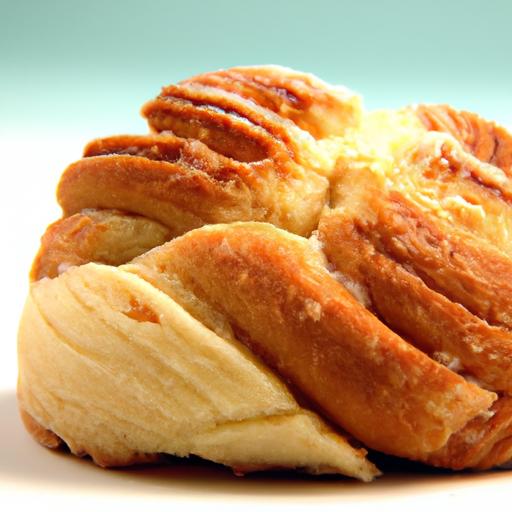
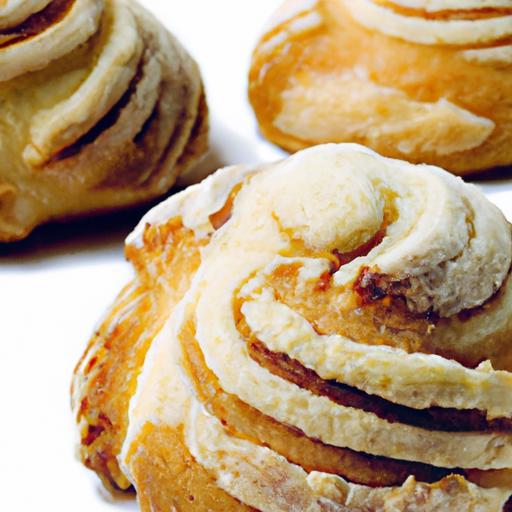

Nestled among the vibrant streets of Mexico, there is a delightful treat that captures both the eye and the palate: the Concha de Vainilla bread. With its signature shell-shaped pattern and a sweet vanilla topping that crackles gently with every bite, this beloved pastry is more than just a breakfast staple-it is a piece of cultural history baked into golden dough. But behind its sugary crust lies a rich story of tradition,creativity,and community that has been passed down through generations. Join us as we unravel the sweet tale behind Concha de Vainilla, exploring how this simple bread became an enduring symbol of Mexican heritage and a beloved comfort food around the world.
Concha de Vainilla Bread stands as a flavorful emblem of Mexican baking tradition, seamlessly blending a soft, fluffy bread base with a sweet, aromatic vanilla crust. its roots trace back to the fusion of indigenous and European influences, evolving over centuries to become a beloved staple enjoyed across generations. This iconic pan dulce (sweet bread) not only delights the palate but also carries stories of community, festivity, and nostalgia with every bite.
prep and Cook Time
- Planning: 30 minutes
- Proofing: 1 hour 30 minutes
- Baking: 18-20 minutes
- Total Time: Approximately 2 hours 20 minutes
Yield
Yields 12 individual conchas, perfect for sharing during breakfast or as an afternoon treat.
Difficulty Level
Medium – Ideal for home bakers ready to explore enriched doughs and decorative topping techniques.
Ingredients
- For the Bread dough:
- 3 1/2 cups all-purpose flour, sifted
- 1/2 cup whole milk, warmed (about 110°F)
- 1/2 cup granulated sugar
- 2 1/4 teaspoons active dry yeast (1 packet)
- 1/2 cup unsalted butter, softened
- 2 large eggs, room temperature
- 1 teaspoon vanilla extract
- 1 teaspoon salt
- For the Vanilla Crust:
- 1 cup all-purpose flour, sifted
- 2/3 cup powdered sugar
- 1/4 cup unsalted butter, softened
- 1 teaspoon vanilla extract
- Yellow or white food coloring (optional, for traditional color)
instructions
- Activate the yeast: In a small bowl, combine warm milk, 1 tablespoon sugar, and active dry yeast. Stir gently and let sit for 5-7 minutes until frothy.
- Prepare the dough: In a large mixing bowl,combine flour,remaining sugar,and salt. Add softened butter, eggs, vanilla extract, and the yeast mixture. Mix with a dough hook on medium speed or knead by hand until a smooth, elastic dough forms (about 8-10 minutes). The dough should feel soft but not sticky.
- First proof: Shape the dough into a ball and place it in a lightly greased bowl. Cover with a clean kitchen towel or plastic wrap and let it rise in a warm place for 1 to 1 ½ hours, or until doubled in size.
- Prepare the vanilla crust: While the dough proofs, mix flour, powdered sugar, softened butter, and vanilla extract in a bowl until a thick, spreadable paste forms. add a drop or two of yellow food coloring for the classic look, mixing until uniform.
- Divide the dough: Once risen, punch down the dough gently and divide it into 12 equal portions. Shape each into a smooth ball and place on a parchment-lined baking sheet, spaced evenly.
- apply the crust: Divide the vanilla crust mixture into 12 equal parts. Flatten each piece slightly and place on top of each dough ball, covering it. Using a sharp knife or a concha cutter, gently score shell-like patterns on the topping without cutting into the dough.
- Second proof: Allow the assembled conchas to rest and rise again for 30-45 minutes until puffy and nearly doubled.
- Bake: Preheat your oven to 350°F (175°C). Bake the conchas for 18-20 minutes, or until the bread is golden and the crust has set with a subtle crackle.
- Cool and serve: Remove from oven and cool on wire racks for 15 minutes to let flavors set before enjoying.
Chef’s Notes & Tips for Success
- For a fluffier dough, substitute half the flour with bread flour, which has higher gluten content.
- Maintain warm temperatures for proofing-too cold slows rise, too hot can kill yeast.
- If vanilla crust feels too dry, add a teaspoon of milk to reach a spreadable consistency.
- Experiment with natural colorings like turmeric for a gentle yellow hue or leave it white for a classic touch.
- Make dough a day ahead and refrigerate after the first proof; bring to room temperature before shaping.
Serving Suggestions
Concha de Vainilla Bread shines when enjoyed with a steaming cup of café de olla or rich Mexican hot chocolate. Garnish with a light dusting of powdered sugar or slivers of toasted almonds for texture. These sweet rolls also pair beautifully with fresh fruit slices or a smear of creamy panela cheese to balance sweetness with mild saltiness.

| Nutrient | Per Serving (1 concha) |
|---|---|
| Calories | 220 kcal |
| Protein | 4 g |
| Carbohydrates | 35 g |
| Fat | 6 g |
For more insight into traditional Mexican pan dulce recipes, and to deepen your baking repertoire, take a look at our curated collection. To learn more about the cultural history of pan dulce and other Latin American breads, visit the Smithsonian Magazine’s article.
Q&A
Q&A: The Sweet Story Behind Concha de Vainilla Bread
Q: What exactly is a Concha de Vainilla?
A: A Concha de Vainilla is a beloved Mexican sweet bread known for its soft, fluffy interior crowned with a crunchy, patterned vanilla-flavored topping.Its name, “concha,” means “shell” in spanish, inspired by the shell-like design etched into the sugary crust. This delightful treat combines the comforting warmth of freshly baked bread with a sweet, subtly aromatic vanilla glaze.
Q: Where did the Concha de Vainilla originate?
A: The origins of the concha trace back to Mexico in the early 20th century, evolving from European brioche and French pastries brought over during colonization. Mexican bakers embraced and transformed these influences, blending indigenous ingredients and techniques with European inspiration to create their signature pan dulce-the sweet bread family that conchas belong to.
Q: What makes the vanilla version special?
A: vanilla adds a fragrant, creamy sweetness that elevates the concha beyond its classic chocolate-topped counterpart. The gentle vanilla essence in the crunchy shell complements the soft, slightly sweet bread beneath, creating a harmonious balance of flavor. Its like a cinnamon roll’s delicate cousin: subtle, comforting, and utterly satisfying.
Q: How is a Concha de Vainilla traditionally made?
A: At its core, the concha starts with a simple dough of flour, sugar, butter, milk, and yeast, kneaded to perfection and left to rise. The signature topping is made from sugar, butter, flour, and vanilla extract, mixed into a thick paste. This paste is gently spread over the dough, which bakers then score with a pattern resembling a seashell. When baked, the topping crisps up, forming a sweet, crackly shell over pillowy bread.
Q: Why is the concha meaningful culturally?
A: More than just a pastry, conchas are a symbol of tradition, family, and community in Mexico. They’re often enjoyed during morning coffee or evening snacks, accompanied by conversations and laughter. Sharing conchas is an everyday celebration of life’s simple joys, transcending generations and social divides-something sweet that unites all.
Q: can you enjoy a Concha de Vainilla in any special way?
A: Absolutely! While delightful on its own, many love to dunk their conchas into a warm cup of café de olla, hot chocolate, or sweetened milk. Some even slice and toast them, adding butter or jam for an indulgent breakfast. Whether plain or paired, the vanilla concha’s charm lies in its versatility and comforting familiarity.
Q: What’s the best way to savor a fresh Concha de Vainilla?
A: The magic of conchas is at its peak fresh out of the oven-warm, soft, and irresistibly fragrant. Seek out local bakeries that bake daily, and enjoy your concha within hours of baking. Let the vanilla-scented shell crackle under your fingers as you take that first melt-in-your-mouth bite. It’s a simple pleasure that carries with it a world of sweet history.
In Conclusion
As we close the chapter on the sweet story behind Concha de Vainilla bread, we’re reminded that this beloved treat is more than just a pastry-it’s a tender snapshot of culture, tradition, and simple joys baked into every crumb.From its humble origins to the dazzling sugary shell that crowns it today, the vanilla concha invites us all to savor not only its flavor but the rich history kneaded deep within its dough. So next time you unwrap one of these sweet treasures, take a moment to appreciate the stories whispered through its golden crust-a delicious legacy that continues to delight generations around the world.