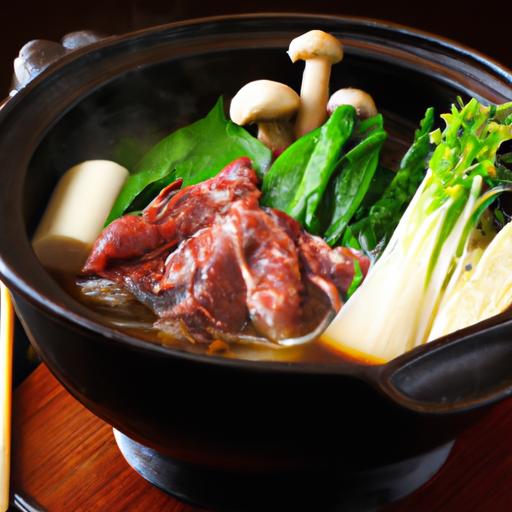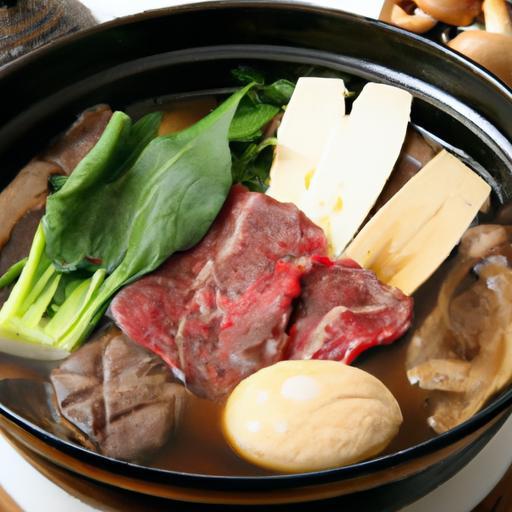

There’s a warmth that fills the air when a pot bubbles gently on the stove, releasing a rich aroma that beckons friends and family to gather around. Sukiyaki, the beloved Japanese hot pot dish, is more than just a meal-it’s an experience steeped in tradition and layered with contrasting flavors. At its heart lies the harmonious dance of tender beef slices simmered in a sweet soy-based broth, mingling with fresh vegetables and silky tofu to create a comforting symphony of taste and texture.In this article, we’ll delve into the origins, ingredients, and cultural meaning of sukiyaki, inviting you to savor every savory-sweet bite of this iconic hot pot delight.
Savoring Sukiyaki offers an enchanting glimpse into Japan’s culinary heritage, bringing together tender slices of beef, sweet and savory broth, and fresh garden vegetables in a communal hot pot experience. This dish not only delights the palate but also embodies tradition, family bonding, and seasonal celebration. Originating from the Kansai region in the late 19th century, Sukiyaki has evolved from a simple peasant meal into a beloved national treasure that balances flavors with remarkable finesse.
Prep and Cook Time
- Preparation: 20 minutes
- Cooking: 15 minutes
- Total Time: 35 minutes
Yield
Serves 4 hungry guests, perfect for sharing around a hot pot.
Difficulty Level
Medium – Simple techniques combined with thoughtful ingredient selection and timing yield remarkable results.
Ingredients
- 500g thinly sliced ribeye beef (well-marbled, ideally Wagyu or USDA prime)
- 1 cup soy sauce (preferably Japanese shoyu for depth)
- ½ cup mirin (sweet rice wine)
- ⅓ cup sake (Japanese rice wine)
- 3 tbsp granulated sugar (adjust to taste)
- 1 medium onion, thinly sliced
- 1 block firm tofu, cut into 1-inch cubes
- 100g shirataki noodles (konjac noodles, rinsed)
- 1 bunch green onions, cut into 2-inch pieces
- 1 cup napa cabbage, chopped
- 2 tbsp vegetable oil (for searing)
- 2 large eggs (for dipping, optional)
Instructions
- Prepare the Sukiyaki Sauce: In a small saucepan, combine soy sauce, mirin, sake, and sugar. Warm over medium heat, stirring until sugar dissolves. Remove from heat and set aside.
- Prepare the ingredients: Rinse and drain the shirataki noodles, slice the onion, chop the napa cabbage and green onions, and cube the tofu. Arrange all vegetables and tofu attractively on a large plate or platter for easy access.
- Sear the Beef: Heat 1 tbsp of vegetable oil in a wide,shallow skillet or customary sukiyaki pot over medium-high heat. Add a few slices of beef and quickly sear until just browned (about 30 seconds per side). remove and set aside.Repeat until all beef is seared in batches.
- Sauté Onions and Veggies: In the same pot, add remaining oil if needed, sauté onions just until softened (about 2 minutes). Add napa cabbage, green onions, tofu, and shirataki noodles, stirring gently.
- Add Sukiyaki Sauce and Simmer: Pour the prepared sauce evenly over the vegetables in the pot. Let it come to a gentle simmer for about 3 minutes to infuse flavors.Taste and adjust sweetness or saltiness by stirring in a little more sugar or soy sauce if desired.
- Combine and Cook Together: Return the seared beef to the pot. Cook everything together for 2-3 minutes, allowing the meat to absorb the broth’s rich balance of sweet and savory.
- Serve with Raw Egg Dipping (Optional): Crack an egg into a small bowl for each guest. Dip the hot cooked beef and vegetables into the raw egg for an incredibly silky, smooth texture that mellows the intense flavors.
Chef’s notes
- For the most authentic Sukiyaki experience, use wagyu or high-grade ribeye beef, sliced paper-thin.If unavailable, look for beef labeled “for shabu-shabu” or very thin deli-style cuts.
- If you prefer a deeper umami flavor,adding a splash of dashi broth to the sukiyaki sauce enriches the complexity without overpowering.
- Shirataki noodles absorb saucy flavors beautifully but can become rubbery if overcooked-rinse thoroughly and add them just before simmering.
- Sukiyaki is traditionally eaten communally; keep ingredients warmed on a portable stove for guests to add and cook their favorites at the table.
- Leftover sukiyaki broth can be strained and saved as a flavorful base for soups or noodles.
Serving Suggestions
Present your Sukiyaki in a wide shallow pot at the center of the table surrounded by bowls of steamed rice. Garnish individual servings with fresh cracked green onions or a sprinkle of toasted sesame seeds for added texture. The raw egg bowl creates a luxurious dipping sauce that tempers the sweet soy broth, making each bite melt in the mouth. pair with light, crisp sake or green tea to refresh the palate.

| Nutrient | Per Serving (4 servings) |
|---|---|
| Calories | 420 kcal |
| Protein | 32 g |
| Carbohydrates | 15 g |
| Fat | 25 g |
For more authentic Japanese hot pot inspiration, explore our Shabu-Shabu Recipe to diversify your at-home culinary adventures.
Q&A
Q&A: Savoring Sukiyaki – A Sweet Soy Beef Hot Pot Delight
Q1: What exactly is Sukiyaki?
A1: Sukiyaki is a beloved Japanese hot pot dish that balances the sweet and savory flavors of thinly sliced beef simmered in a rich broth made from soy sauce, sugar, mirin, and sake. Frequently enough enjoyed communally, it’s a culinary ritual that invites warmth, conversation, and indulgence.
Q2: How did Sukiyaki originate?
A2: Sukiyaki’s roots trace back to the Meiji era (late 19th century), a time when Japan opened its doors to Western influences and beef consumption became popular. This dish evolved from earlier iron-pot stews, blending traditional Japanese flavors with newfound appreciation for beef, eventually becoming a festive winter staple.
Q3: What sets Sukiyaki apart from other hot pots?
A3: Unlike many hot pots that focus on spicy or broth-heavy profiles, Sukiyaki stands out with its signature sweet soy sauce base. The interplay between caramelized sugar and salty soy creates a unique umami depth, perfectly complementing the tender beef and fresh vegetables.
Q4: What ingredients are essential for authentic Sukiyaki?
A4: At its heart, sukiyaki requires thinly sliced beef (ribeye is a favorite), kombu dashi (kelp stock), sugar, soy sauce, mirin, and sake. Fresh vegetables like napa cabbage, shiitake mushrooms, leeks, and tofu are also integral. Frequently enough, raw beaten egg is used as a silky dipping sauce to enhance each bite.
Q5: How is Sukiyaki traditionally enjoyed?
A5: Sukiyaki is ofen cooked table-side in a shallow iron pot. Diners simultaneously cook and savor the simmering ingredients, dipping hot beef or veggies into raw egg. This interactive, communal experience brings people together, transforming simple ingredients into shared joy.
Q6: Can Sukiyaki be adapted for different tastes or diets?
A6: Absolutely! While beef is classic,variations using chicken,pork,or even vegetarian substitutes like mushrooms and tofu exist. Adjusting the sweetness or saltiness of the broth can tailor the dish to personal preference. The essence lies in harmony and balance, open to creative interpretation.
Q7: What beverages pair well with Sukiyaki?
A7: sukiyaki’s sweet-savory profile pairs beautifully with light, crisp drinks.Traditional choices include chilled sake and green tea. For a modern twist, try a dry white wine or sparkling water with a splash of yuzu for refreshing contrast.
Q8: Why is Sukiyaki more than just a meal in Japan?
A8: Beyond nourishment, Sukiyaki embodies hospitality, seasonality, and togetherness. it’s a culinary celebration during cold months, encouraging slow dining and connection. Each simmering pot tells a story of culture, family, and the beauty found in simple, thoughtful ingredients.
Sukiyaki invites you to slow down, savor the balance of sweet and salty, and enjoy warmth both in your bowl and among your companions. Whether at home or in a traditional setting, this sweet soy beef hot pot is a timeless delight worth experiencing.
Wrapping Up
As the last tender slice of beef melts away and the rich, sweet soy broth lingers warmly on your palate, savoring sukiyaki reveals more than just a meal-it invites you into a timeless tradition steeped in flavor and fellowship. This delightful hot pot, where sweetness and savor dance in perfect harmony, offers not only nourishment but a sumptuous experience that connects you to the heart of Japanese culinary culture. Whether shared around a simmering pot with loved ones or enjoyed as a comforting solo feast, sukiyaki’s balance of sweet soy and tender beef promises a memorable journey for your taste buds-one worth returning to again and again.