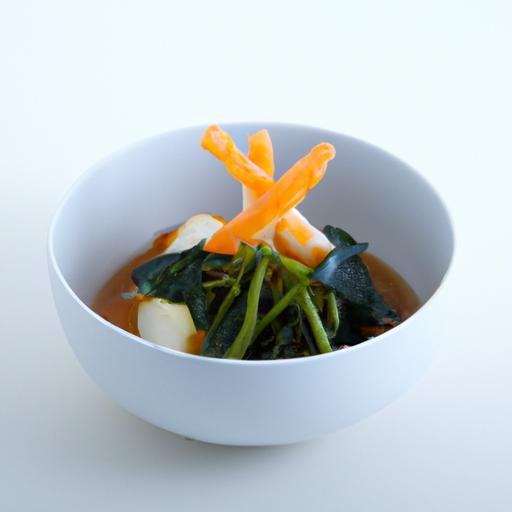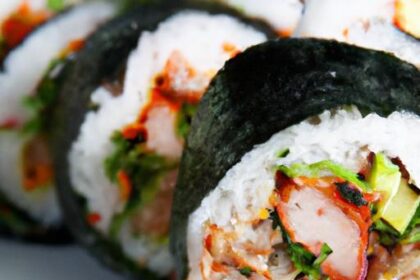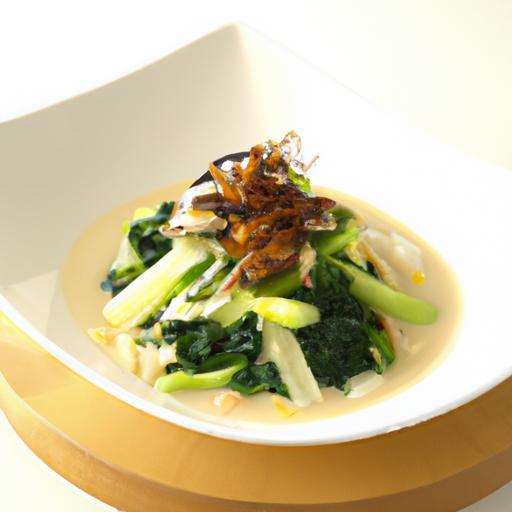

Embark on a savory adventure through the heart of Korea, where every bite tells a story steeped in history, culture, and tradition. “Savor Korea: A Appetizing Journey Through Iconic Recipes” invites you to explore the rich tapestry of Korean cuisine-an exquisite blend of bold flavors, vibrant colors, and time-honored techniques passed down through generations. From the fiery depths of kimchi to the delicate artistry of bibimbap,this culinary voyage reveals the secrets behind Korea’s most beloved dishes,offering not just recipes but a gateway to the soul of a nation. Prepare your senses for an unforgettable feast that transcends the plate and celebrates the spirit of Korea itself.
Savor Korea is more than just a culinary adventure-it’s an invitation to immerse yourself in the vibrant tastes and rich histories that give Korean cuisine its enduring charm. Today, let’s explore Bulgogi, a beloved dish that elegantly balances sweet, savory, and smoky notes by marinating thinly sliced beef in a harmonious blend of conventional Korean ingredients. Originating from the royal courts and now a staple on every family table, Bulgogi reflects Korea’s dedication to bold flavors and communal dining. Crafted with tender beef, aromatic garlic, and a touch of sesame, mastering this recipe will bring authentic Korean dining right to your kitchen.
Savor Korea: Bulgogi Prep and Cook Time
- Preparation Time: 20 minutes
- Marinating Time: 1 to 2 hours (recommended for optimal flavor)
- Cooking Time: 10 minutes
Yield
Serves 4 comfortably as a main dish alongside traditional sides
Difficulty Level
Medium: Requires time for marination and attentive cooking for perfect texture
Ingredients
- 1 pound thinly sliced ribeye beef (well-marbled for tenderness)
- 1/4 cup soy sauce
- 2 tablespoons brown sugar
- 1 tablespoon sesame oil
- 3 cloves garlic, minced
- 1 teaspoon freshly grated ginger
- 2 green onions, finely chopped
- 1/2 small onion, thinly sliced
- 1/4 teaspoon black pepper
- 1 tablespoon toasted sesame seeds
- 1 medium carrot, julienned (optional for added colour and crunch)
- 1/2 tablespoon rice wine or mirin (optional, enhances depth)
Instructions
- Prepare the beef: Lay the thin ribeye slices on a large plate or bowl. Freezing the beef slightly before slicing helps achieve paper-thin cuts.
- Mix the marinade: In a bowl, combine soy sauce, brown sugar, sesame oil, minced garlic, ginger, black pepper, and rice wine.Stir until the sugar dissolves entirely for a glossy finish.
- Marinate the beef: Pour the marinade over the beef and toss gently to coat every slice. Add sliced onions, green onions, and julienned carrot. Cover and refrigerate for at least 1 hour; overnight marinading deepens the flavors beautifully.
- Heat the pan: Warm a large skillet or cast-iron pan over medium-high heat. Avoid overcrowding by cooking in batches if necessary.
- Cook the Bulgogi: Add marinated beef and vegetables to the hot pan. Sauté until the beef is just cooked through and caramelized, about 5-7 minutes. Turn occasionally for even browning. The edges should develop a slight crispness without drying out.
- Finish with sesame seeds: Remove from heat and sprinkle with toasted sesame seeds for an aromatic crunch.
Tips for Success
- For an authentic texture,use ribeye or sirloin-other cuts can become tough if not sliced thinly.
- Avoid excess moisture by patting the beef dry before marinating-not soaking the protein improves caramelization.
- If short on time, marinate for 30 minutes, but note the flavor depth develops best with longer rest.
- Add a splash of pear juice or Korean Asian pear puree to the marinade for a subtle sweetness and tenderizing effect.
- Make-ahead: Marinated beef can be refrigerated up to 24 hours. Cook freshly to enjoy optimum texture.
Serving Suggestions
Serve bulgogi piping hot alongside a bowl of steamed jasmine rice or sticky short-grain Korean rice. For a colorful contrast, pair it with japchae (stir-fried glass noodles) and a medley of kimchi varieties. Garnish each plate with finely sliced fresh green onions and a drizzle of roasted sesame oil to amplify the nutty aroma. To embrace true Korean style, wrap small portions in fresh lettuce leaves with a dab of ssamjang (spicy dipping paste) and some sliced garlic.

| Nutrient | Amount per Serving |
|---|---|
| Calories | 320 kcal |
| Protein | 28 g |
| Carbohydrates | 8 g |
| Fat | 18 g |
Embrace the magic of Bibimbap as a complementary dish for a full sensory Korean feast. To deepen your knowledge of Korean ingredients, visit Maangchi’s Ultimate Korean ingredients Guide, a trusted resource brimming with expert tips and cultural context.
Q&A
Q&A: Savor Korea – A Delicious Journey Through Iconic Recipes
Q1: What inspired the creation of Savor Korea: A Delicious journey Through Iconic Recipes?
A1: The inspiration sprang from a deep love for Korean culture paired with an undeniable passion for food. Korea’s culinary landscape is a vibrant tapestry of history, tradition, and innovation, and this journey aims to share that soulful story through its iconic recipes. It’s not just about cooking; it’s about savoring the culture with every bite.
Q2: What makes Korean cuisine stand out in the global food scene?
A2: Korean cuisine is a perfect harmony of bold flavors, dynamic textures, and nutritional balance. It’s rooted in centuries of tradition but constantly evolving. From the fiery kick of gochujang (red chili paste) to the delicate tang of fermented kimchi, Korean food celebrates both intensity and subtlety. And behind every dish lies a story of community,health,and harmony with nature.
Q3: Which iconic recipes are featured in the article,and why were thay chosen?
A3: The article zooms in on staples like bibimbap,bulgogi,kimchi,japchae,and tteokbokki – each a star in its own right. These were chosen because they represent the pillars of Korean culinary identity: balance, flavor, and versatility.Whether it’s bibimbap’s colorful medley symbolizing harmony or bulgogi’s savory sweetness showcasing marination mastery, each dish opens a window into Korea’s heart and history.
Q4: How accessible are these recipes for someone new to Korean cooking?
A4: Fear not, adventurous food lovers! The recipes are designed with approachable steps and readily available ingredients, making it easy even for beginners to dive in. Plus, the article offers helpful tips on ingredient substitutions and cooking techniques, making the delicious world of Korean cuisine inviting rather than intimidating.
Q5: Beyond the recipes,what cultural insights does the article offer?
A5: Food is culture on a plate,and Savor Korea serves up rich stories behind each dish – from traditional rituals surrounding kimchi fermentation to the communal joy of sharing hotpot. It also sheds light on seasonal eating habits, regional flavors, and the role of Korean food in celebrations and daily life, deepening gratitude beyond taste.
Q6: How can readers deepen their korean culinary experience after reading?
A6: The journey doesn’t end with cooking.Readers are encouraged to explore Korean markets locally or online, experiment with fermenting their own kimchi, or even participate in Korean cooking classes and cultural events. Immersing oneself in the language of food creates a bridge to understanding Korea’s vibrant soul.
Q7: Why is savoring food an essential part of understanding a culture?
A7: Eating is more than nourishment; it’s a sensory conversation with history, geography, and values. Through food, we taste stories, celebrate traditions, and connect across borders. To savor Korea is to embark on an edible journey that nourishes the mind, body, and spirit alike.
The Conclusion
As our flavorful journey through Korea’s iconic recipes comes to a close, we hope you carry with you not just tantalizing tastes but a deeper appreciation for the rich traditions and stories simmering behind each dish.From the fiery spice of kimchi to the comforting warmth of bibimbap, these recipes are more than mere meals-they are edible chapters of Korea’s vibrant culture. So whether your a seasoned chef or a curious food lover, let these dishes inspire your kitchen adventures and invite you to savor every bite of Korea’s culinary heritage. Until next time,happy cooking and annyeong!