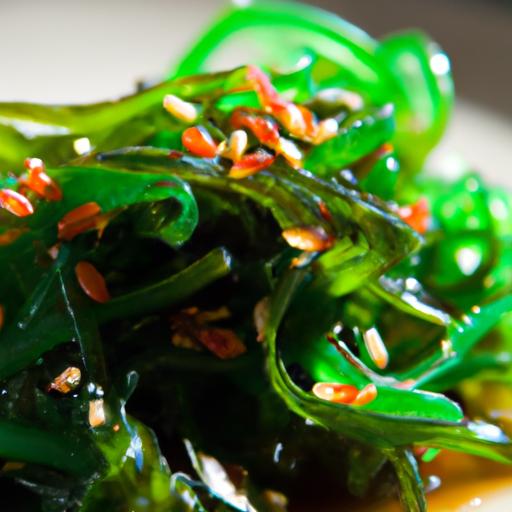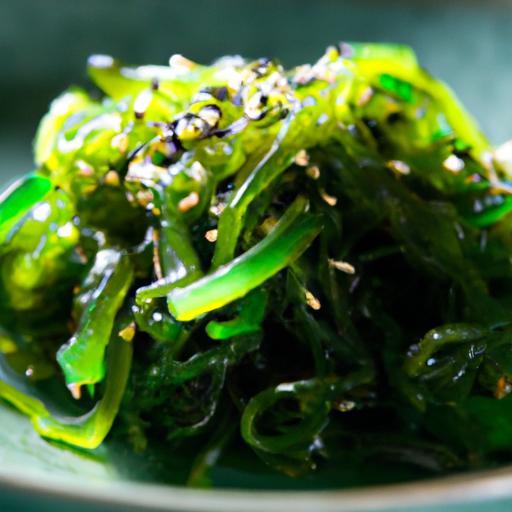

Beneath the shimmering surface of Japan’s coastal waters lies a vibrant treasure often overlooked by those unfamiliar with its delicate allure: wakame, the seaweed that transforms a simple salad into a symphony of flavors and nutrients. This humble emerald-green seaweed has long been celebrated not only for its crisp texture and subtle umami taste but also for its impressive health benefits and cultural importance. In this journey to unlock the secrets of japanese seaweed salad, we’ll dive deep into the origins, preparation, and extraordinary qualities of wakame-inviting you to discover why this ocean vegetable has captured the hearts and palates of food lovers around the world.
Unlocking the Secrets of Japanese Seaweed Salad (Wakame) opens the door to a vibrant world where ancient tradition meets nourishing delight. This dish embodies the harmonious balance of Japan’s coastal heritage and impeccable culinary artistry. For centuries, wakame has graced Japanese tables, prized not only for its vivid emerald color and tender texture but also for its delicate, briny flavor that perfectly complements fresh ingredients. Growing up with memories of crisp sea breezes and bustling fish markets, I discovered that wakame salad is more than a side dish-it’s a party of the ocean’s bounty and an emblem of healthful living.
Prep and Cook Time
- Preparation: 10 minutes
- Soaking Time: 15 minutes
- Total Time: 25 minutes
Yield
Serves 4 as a refreshing appetizer or side.
Difficulty Level
easy - Perfect for beginners and seasoned cooks alike!
Ingredients
- 1 cup dried wakame seaweed
- 2 tbsp rice vinegar
- 1 tbsp soy sauce
- 1 tbsp sesame oil
- 1 tsp sugar
- 1 tsp grated fresh ginger
- 2 tsp toasted sesame seeds
- 1 small cucumber, thinly sliced
- 1 scallion, finely chopped
- Optional: pinch of red pepper flakes for subtle heat
Instructions
- Rehydrate the wakame: Place dried wakame in a bowl filled with cold water. Let it soak for about 15 minutes until it expands and softens. Drain well, then gently squeeze out any excess water to avoid sogginess.
- Prepare the dressing: In a small bowl, whisk together rice vinegar, soy sauce, sesame oil, sugar, and grated ginger until the sugar dissolves completely, balancing tang with sweetness and earthy depth.
- Combine the salad: In a medium mixing bowl, toss the rehydrated wakame, thinly sliced cucumber, and scallions together.
- Dress the wakame: Pour the dressing over the salad ingredients. Gently mix to coat the wakame and cucumber evenly, ensuring every bite bursts with flavor.
- Garnish and finish: Sprinkle with toasted sesame seeds and, if desired, a pinch of red pepper flakes for a mild kick.
- Chill before serving: For best results, refrigerate for 10-15 minutes to let the flavors meld and refresh.
Tips for Success: Enhancing Texture and Presentation in wakame Dishes
- Texture balance: Avoid over-soaking wakame; 15 minutes is ideal to preserve its pleasantly tender yet slightly chewy bite.
- Crunch contrast: Adding thinly sliced cucumber or even julienned carrots adds a refreshing crunch to complement the softness of the seaweed.
- Presentation matters: Serve in small, clear glass bowls to highlight the vibrant green of wakame.Garnish with sesame seeds and delicate scallion curls for visual appeal.
- Flavor layering: Freshly grated ginger and a splash of lime juice elevate the salad’s freshness, balancing the umami-rich seaweed.
- Make-ahead: This salad keeps well for up to 24 hours refrigerated but is best enjoyed fresh to retain the wakame’s shining texture.
Serving Suggestions
This salad shines as a refreshing starter alongside sushi or grilled fish. For a more substantial dish, pair with steamed rice and miso soup for an authentic Japanese meal.Garnish with extra toasted sesame seeds and thinly sliced nori strips for depth and texture.

| Nutrient | Per serving |
|---|---|
| Calories | 45 kcal |
| Protein | 2.5 g |
| Carbohydrates | 6 g |
| Fat | 2 g |
Notably, wakame is a natural powerhouse of iodine and calcium, fostering wellness in every bite. Infused with subtle oceanic sweetness and a unique buttery undertone, its flavor profile is unparalleled among sea vegetables, bringing a serene sense of umami to every dish.
For those curious to explore authentic Japanese flavors further, check out our guide to traditional Japanese Miso Soup, another cornerstone of coastal culinary excellence.
Q&A
Q&A: Unlocking the Secrets of Japanese Seaweed Salad (Wakame)
Q1: What exactly is wakame, and why is it so popular in Japanese cuisine?
A1: Wakame is a type of edible seaweed harvested from the coasts of Japan, Korea, and China. Its delicate, slightly sweet flavor and vibrant green color make it a favorite ingredient in many Japanese dishes. Beyond taste, wakame is prized for its impressive nutritional profile-rich in vitamins, minerals, and antioxidants-which contributes to its status as a healthful superfood in Japanese kitchens.
Q2: How is traditional Japanese seaweed salad made with wakame?
A2: Traditional wakame seaweed salad starts with dried wakame that’s soaked in water until it blooms into tender,emerald-green ribbons. It’s then tossed with a mixture of rice vinegar, soy sauce, sesame oil, and a sprinkle of sesame seeds. Some recipes add a touch of sugar or chili flakes for balance and subtle heat.The result is a refreshing, tangy salad that complements sushi and grilled dishes perfectly.
Q3: What nutritional benefits does wakame offer?
A3: Wakame is a natural powerhouse. It’s low in calories but packed with essential nutrients like iodine (supporting thyroid health), calcium, magnesium, and vitamins A, C, D, and K. Its fiber content aids digestion,while fucoxanthin,a pigment found in brown seaweeds like wakame,has been linked to anti-inflammatory and metabolism-boosting properties.
Q4: Can you describe the texture and flavor profile of wakame?
A4: When rehydrated, wakame has a silky, slightly slippery texture that offers a pleasant chew without being tough. Flavor-wise, it’s subtly briny with a mild sweetness and a hint of umami, reminiscent of the ocean but never overpowering. This makes it incredibly versatile, able to pair with various flavors without stealing the spotlight.
Q5: Beyond the classic salad,how else is wakame used in Japanese cooking?
A5: Wakame is a culinary chameleon! Aside from salads,it commonly stars in miso soup,where it adds depth and a gentle sea flavor. It’s also used in sunomono (vinegared side dishes), added to noodles, or sprinkled onto rice bowls. In modern fusion cuisine, chefs incorporate wakame into smoothies, wraps, and even desserts to infuse a nutritious sea essence.
Q6: Is wakame enduring, and what should consumers look for when buying it?
A6: Yes, wakame is considered one of the more sustainable seafood options as it grows abundantly in cold coastal waters without requiring fertilizers or fresh water. When purchasing wakame, look for products labeled as wild-harvested and organic to ensure quality and environmental obligation. Additionally, buying from reputable sources guarantees the seaweed is harvested from clean waters, minimizing contamination risks.
Q7: How can beginners prepare their own Japanese seaweed salad at home?
A7: Preparing wakame salad at home is surprisingly simple! Start by soaking 1-2 tablespoons of dried wakame in cold water for about 10 minutes until it expands. Drain and squeeze out excess water. whisk together 1 tablespoon rice vinegar, 1 teaspoon soy sauce, 1 teaspoon sesame oil, and a pinch of sugar or chili flakes. Toss the wakame in the dressing, sprinkle with toasted sesame seeds, and voilà-a refreshing bite of Japan in your kitchen!
Q8: What cultural significance does wakame salad have in Japan?
A8: Wakame salad represents more than just a dish; it embodies the Japanese philosophy of harmony with nature and balanced nutrition. Seaweed harvesting has been a tradition for centuries, linking coastal communities to the sea’s bounty.Wakame salad’s presence on tables honors seasonality and simplicity, two pillars of Japanese culinary ethics, inviting diners to celebrate natural flavors in every bite.
To Wrap It Up
As we peel back the layers of Japanese seaweed salad, or wakame, what emerges is more than just a vibrant dish-it’s a gateway into centuries of coastal tradition and nutritional wisdom. From its subtle umami notes to its remarkable health benefits, wakame invites us to savor the ocean’s bounty with each bite. Whether you’re a seasoned foodie or a curious newcomer, unlocking the secrets of this humble seaweed salad is a journey that enriches both palate and knowledge. So next time you dip your chopsticks into a bowl of crisp, emerald strands, remember-you’re tasting a living legacy from the sea, thoughtfully harvested and artfully prepared. Dive in, explore, and let wakame awaken your appetite for the extraordinary.