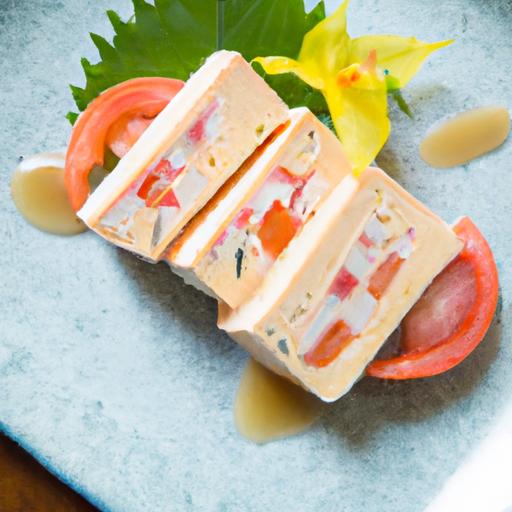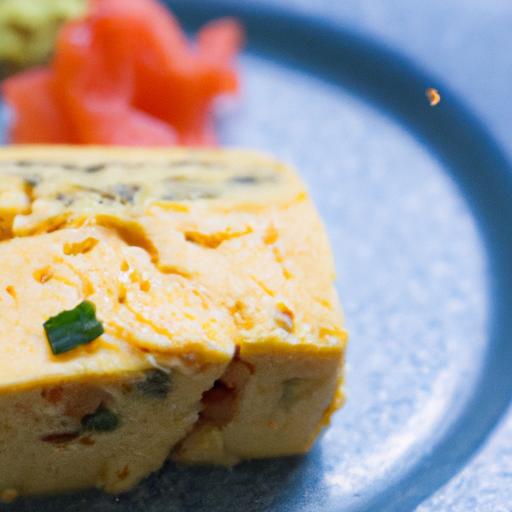

In the world of Japanese cuisine, few dishes exemplify the harmonious blend of simplicity adn technique quite like tamagoyaki-the delicate, golden rolled omelet that graces sushi platters and breakfast tables alike. More than just a comforting bite, mastering tamagoyaki is an art form that demands precision, patience, and an intimate understanding of heat and timing. This culinary gem,with its subtly sweet flavor and layered texture,invites both seasoned chefs and home cooks on a journey of skillful folding and flavor balancing. Join us as we unravel the secrets behind crafting perfect tamagoyaki, transforming everyday eggs into a masterpiece that embodies the elegance and beauty of Japanese tradition.
Mastering Japanese Tamagoyaki unlocks the secret to creating delicate, fluffy, and beautifully layered rolled omelets that elevate any meal. This iconic Japanese dish, often enjoyed in bento boxes and sushi, melds simplicity with artistry, offering a perfect balance of savory, sweet, and umami.Whether you’re a seasoned chef or a curious home cook,understanding the essential ingredients,precise tools,and refined techniques will empower you to craft tamagoyaki worth savoring.
Prep and Cook Time
- Readiness: 10 minutes
- Cooking: 15 minutes
- Total Time: 25 minutes
yield
Serves 3-4 as a side dish or sushi component
Difficulty Level
Medium – requires precision and attention to layering
Ingredients for Classic Tamagoyaki
- 4 large eggs,gently beaten
- 2 tablespoons dashi stock (homemade or instant)
- 1 tablespoon mirin (sweet rice wine)
- 1 teaspoon soy sauce
- 1 teaspoon granulated sugar
- Pinch of salt
- Vegetable oil,for greasing the pan
Essential Tools
- Rectangular or square tamagoyaki pan (preferable but a small non-stick skillet works)
- Chopsticks or a spatula for rolling the layers
- Bowl and whisk for blending the egg mixture
- Paper towels for oiling the pan evenly
Instructions: the Art of Perfectly Rolled Layers
- Prepare your egg mixture: In a bowl,gently whisk together the eggs,dashi stock,mirin,soy sauce,sugar, and salt,ensuring the sugar dissolves entirely for a harmonious flavor and smooth texture.
- Heat your pan: Place your rectangular tamagoyaki pan over medium heat. Lightly grease the surface with a paper towel soaked in vegetable oil to create a thin, even coat – this prevents sticking and allows smooth rolling.
- Cook in thin layers: Pour a small amount (about ¼ cup) of the egg mixture into the pan; tilt to spread evenly. When the surface is still slightly wet but mostly set (about 15-20 seconds), start rolling the egg from one edge to the other using chopsticks or a spatula.
- Push and oil: Push the rolled omelet to one side of the pan. Re-grease the pan lightly with your paper towel.
- Add more egg mixture: Pour another thin layer of the egg mixture into the empty space, lifting the roll slightly so the mixture flows underneath it. When nearly set, roll the omelet again, starting from the edge with the previously rolled portion.
- Repeat the process: Continue layering, oiling, and rolling until all the mixture is used. This layering technique creates the signature, elegant ridges of tamagoyaki.
- Shape and rest: Once rolled, you can gently press the tamagoyaki with a bamboo mat (makisu) or a paper towel to even out the shape. Allow it to rest for 2 minutes before slicing.
- Slice and serve: Cut the roll into 1-inch thick slices using a sharp knife. Clean the blade between cuts for clean edges.
Tips for Success in Mastering Japanese Tamagoyaki
- Quality eggs matter: Use fresh, large eggs for the best texture and flavor.
- Adjust sweetness and umami: Feel free to tweak the sugar and soy sauce balance to suit your palate.
- Pan temperature: Keep the heat medium to low to avoid browning to much; tamagoyaki should be gently cooked.
- practice patience: The rolling technique may take time to perfect-go slow and steady for layered perfection.
- Make ahead tip: Tamagoyaki tastes great at room temperature and can be refrigerated for up to 2 days. Reheat gently before serving.
Flavor Variations to Elevate Your Dish
- Shiso leaf fold: Place a fresh shiso leaf on each layer before rolling for a refreshing herbal touch.
- Seafood infusion: Finely chop cooked shrimp or crab meat and fold lightly into the egg mix for a luxurious bite.
- Vegetable boost: Add finely diced scallions or carrots for texture and color burst.
- Spicy twist: Incorporate a dash of togarashi spice into the egg mixture for subtle heat.
Serving Suggestions
Present your perfectly rolled tamagoyaki sliced on a rectangular plate, garnished with fresh daikon oroshi (grated daikon radish) and a light soy-based dipping sauce.Add a dash of pickled ginger or a few sprigs of microgreens for vibrant color contrast. Tamagoyaki also pairs beautifully with steamed rice or as an elegant sushi topping,making it a versatile addition to any Japanese-inspired meal.

| Nutrient | Per Serving (2 slices) |
|---|---|
| Calories | 120 kcal |
| Protein | 7 g |
| carbohydrates | 3 g |
| Fat | 8 g |
For more Japanese culinary tips and recipes, explore our Japanese Cooking Techniques article. Interested in the rich history of dashi? visit Serious Eats’ guide to dashi for an in-depth look.
Q&A
Q&A: mastering Japanese Tamagoyaki – The Art of Rolled Omelets
Q1: What exactly is Tamagoyaki?
A1: Tamagoyaki is a customary Japanese rolled omelet known for its delicate layers, slightly sweet flavor, and cloud-like texture. unlike Western omelets, Tamagoyaki is carefully cooked in a special rectangular pan, rolled layer by layer to create a beautiful, multilayered masterpiece. Its often enjoyed in sushi, bento boxes, or simply as a comforting breakfast.
Q2: Why is Tamagoyaki considered an art form?
A2: The beauty of Tamagoyaki lies not just in taste but in technique. Achieving the perfect balance of sweetness, fluffiness, and tight, even layers requires patience, precision, and a sensitive touch. Each fold tells a story of rythm and finesse, turning simple eggs into a culinary canvas. Mastery comes from practice and a deep connection to the rhythm of the pan and spatula.
Q3: What ingredients are essential for authentic Tamagoyaki?
A3: At its core, Tamagoyaki is made of beaten eggs, a dash of soy sauce, mirin (sweet rice wine), sugar, and a pinch of salt. Some variations include dashi,a light fish broth,for added umami. These simple ingredients combine to create a savory-sweet harmony that is uniquely Japanese.
Q4: What kind of pan do I need to make Tamagoyaki?
A4: The quintessential Tamagoyaki pan is rectangular or square, typically made from non-stick material or traditional tamagoyaki tetsubin cast iron. Its shape facilitates the rolling technique, allowing you to fold the egg into perfect layers. While a round pan can work, the classic pan makes the experience-and the presentation-much more authentic.Q5: How do I achieve those perfect layers without breaking or sticking?
A5: The secret lies in temperature control and timing. Cook each thin layer over medium-low heat, letting it set without browning too much.Lightly oil the pan before each pour and roll the cooked layer gently but firmly toward one side. Repeat the process, rolling new layers onto the existing omelet until thickness and fluffiness are built.Think of it as a gentle dance rather than a rushed sizzle!
Q6: Can I customize Tamagoyaki to my taste?
A6: Absolutely! While tradition holds precious value, Tamagoyaki is versatile. Add finely chopped herbs, grated daikon, or even cheese for a creative spin. For a savory version, reduce the sugar and amplify the dashi. The key is balance-each addition should complement but never overpower the tender layers.
Q7: What’s the best way to serve Tamagoyaki?
A7: Tamagoyaki is often sliced into neat bite-sized pieces, showcasing its layered structure. Serve it warm or at room temperature, accompanied by grated daikon and soy sauce or as a topping in sushi. It also shines as a lunchbox star, bringing joy to a midday meal with its comforting texture and sweet-savory notes.
Q8: Any tips for beginners aspiring to master Tamagoyaki?
A8: Start with patience-don’t rush the folds! Use fresh eggs and don’t skimp on seasoning. Keep your heat low to prevent browning and stickiness, and remember: every crack and roll is progress. Watch skilled chefs, practice the rolling rhythm, and soon your Tamagoyaki will be a golden symphony of flavor and art.
Mastering Tamagoyaki is more than cooking-it’s embracing a mindful tradition that transforms humble eggs into layered poetry on a plate. Ready your pan, whisk your eggs, and let each roll bring you closer to the heart of Japanese cuisine.
In Summary
Whether you’re a kitchen novice or a seasoned home cook, mastering the delicate layers of Japanese tamagoyaki opens a door to a culinary tradition rich in technique and flavor.This humble rolled omelet is more than just food-it’s a symphony of patience, precision, and artistry, each fold telling a story of balance and harmony. As you practice your wrist’s gentle flicks and refine the sweet-savory dance of dashi and eggs,remember that tamagoyaki is as much about the journey as the final golden roll. Embrace the ritual, savor each bite, and let this iconic dish inspire you to explore the elegant simplicity woven throughout Japanese cuisine. Your tamagoyaki mastery awaits-ready to brighten breakfast tables and sushi counters alike, one perfect roll at a time.