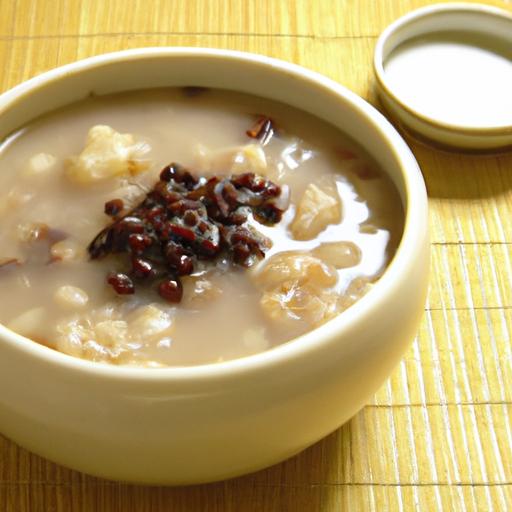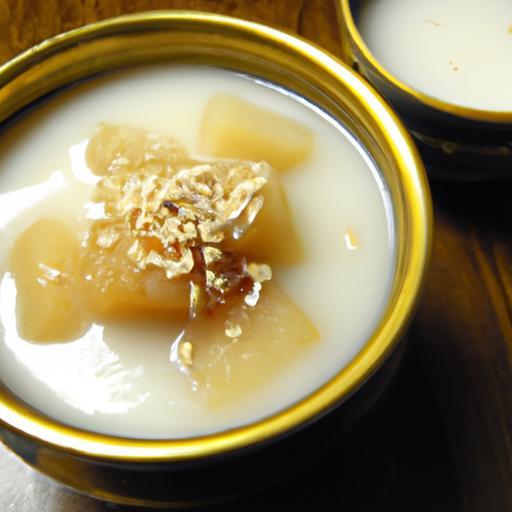

In the vibrant tapestry of Korean cuisine, few customary beverages embody warmth and nostalgia quite like Sikhye. This sweet, fermented rice drink, frequently enough enjoyed as a refreshing finale to hearty meals or a comforting treat during festive occasions, weaves together history, culture, and flavor in every sip. Known for its delicate balance of natural sweetness and subtle tang, Korean sikhye is more than just a drink-it’s a liquid testament to time-honored methods and culinary artistry. Join us as we delve into the captivating story behind Sikhye, exploring its ingredients, readiness, and the cherished role it plays in Korea’s rich gastronomic heritage.
Korean Sikhye is more than just a refreshing sweet rice beverage-it is a vibrant thread in the rich tapestry of korea’s cultural heritage. Traditionally served during Lunar New Year celebrations and Chuseok (Korean harvest festival),Sikhye’s delicate sweetness and warm aroma evoke memories of family gatherings,communal joy,and the artistry of age-old brewing techniques. the natural fermentation process with malted barley and cooked rice delivers a subtly effervescent drink that quenches thirst and delights the senses in every season.
Prep and Cook Time
- Preparation: 15 minutes
- Brewing & Fermentation: 24 hours (inactive time)
- Total: Approximately 1 day, 15 minutes
Yield
Approximately 6 servings (about 1.5 liters)
Difficulty Level
Medium - Requires patience and attention to fermentation details
Ingredients
- 1 cup short-grain sweet rice (glutinous rice), rinsed
- 10 cups water
- 1/2 cup malted barley powder (yeotgireum, dry malt powder)
- 1/2 cup sugar (adjust to taste)
- 10 jujubes (Korean dried red dates), pitted
- 1/4 cup pine nuts (optional, for garnish)
Instructions
- cook the rice: Rinse the sweet rice thoroughly untill water runs clear. Soak for 30 minutes, then drain. Combine with 6 cups of water in a heavy pot and cook over medium heat until the rice is tender and translucent, about 40 minutes. Remove from heat and let it cool slightly.
- Prepare malt water: In a large bowl, mix the malt powder with 4 cups of cold water. Stir gently until well combined but avoid vigorous stirring to minimize excess starch release.
- Ferment: Pour the cooled rice and its cooking water into the malt water mixture. Cover the bowl with a breathable cloth or plastic wrap with holes,then leave it at room temperature (20-25°C / 68-77°F) for 8 to 12 hours. During this time, enzymes in the malt break down starches into natural sugars, creating the distinctive sweet flavor.
- Strain: After fermentation, carefully strain the liquid through a fine mesh sieve lined with cheesecloth into a large clean pot to separate the rice grains and malt residue from the sweet liquid. Gently press the rice solids to extract maximum sweetness.
- add sugar and jujubes: Return the liquid to the pot, add sugar, and stir to dissolve. Add the jujubes for a subtle fruity note and simmer gently for 15 minutes-do not boil vigorously to preserve delicate flavors.
- Cool and chill: Remove from heat and allow the Sikhye to cool to room temperature. Transfer to bottles or jars and refrigerate for at least 3 hours before serving. The drink is best enjoyed cold, with pine nuts sprinkled on top for an elegant crunch and nutty aroma.
Tips for Homemade Sikhye Perfected for Every Season and Palate
- Use high-quality malt powder such as yeotgireum for authentic flavor and effective fermentation.
- Maintain a consistent room temperature during fermentation; too warm and the drink can over-ferment, too cold, and fermentation slows.
- For a lighter sweetness, reduce added sugar or replace with honey after chilling.
- Experiment with seasonal garnishes like diced Asian pears in autumn or thin strips of citron peel in winter for aromatic depth.
- Sikhye can be stored refrigerated for up to five days; reinvigorate carbonation by lightly shaking before serving.
Serving Suggestions
Pour chilled Korean Sikhye into clear glass tumblers to showcase the glistening grains of rice drifting serenely beneath the surface. Garnish with a handful of toasted pine nuts or a few jujubes for added texture and visual charm. Sikhye pairs wonderfully with Korean pancakes (jeon) or served as a refreshing after-meal digestive. Embrace its mild fizz and delicate sweetness as the perfect companion for festive gatherings or a soothing, healthful treat any time of day.

Nutritional Information per Serving
| Nutrient | Amount |
|---|---|
| Calories | 95 kcal |
| Protein | 1.5 g |
| Carbohydrates | 22 g |
| Fat | 0.2 g |
Discover how this time-honored beverage continues to bring families together and offers a gentle, nourishing sweetness that transcends generations. For a deeper dive into fermented Korean drinks,check out our Homemade Korean Makgeolli: Brewing with Tradition guide. Also, for insights on fermentation science, visit ScienceDirect: Fermentation in Food Processing.
Q&A
Q&A: Korean Sikhye – The Sweet tradition of Rice Drink Delight
Q1: What is Sikhye, and why is it considered a beloved traditional drink in Korea?
A: Sikhye is a sweet, refreshing Korean rice beverage made by fermenting malt barley with cooked rice and then sweetening the mixture. It’s cherished across generations not only for its unique taste – a delicate balance of sweet, slightly tangy, and subtly malty flavors - but also for its cultural role as a festive and digestive drink. Served chilled, sikhye is a symbol of hospitality and celebration, often enjoyed during holidays and family gatherings.
Q2: How is Korean Sikhye made, and what makes its preparation unique?
A: The magic of sikhye lies in its traditional fermentation process. Malted barley (called “yeotgireum”) is soaked to extract enzymes that break down the starch in cooked rice into natural sugars. This mixture is then slowly fermented, allowing the flavors to develop naturally. Sometimes, pine nuts are added on top for a pleasing nutty aroma and textural contrast. The process respects ancient methods, connecting today’s drinkers with Korea’s culinary heritage.
Q3: What cultural meaning does Sikhye hold in Korean society?
A: Sikhye is more than just a drink; it’s an emblem of Korean tradition. Historically, it’s served during chuseok (Korean harvest festival), Lunar New Year, and other rites, symbolizing good health, prosperity, and the sweetness of life. Offering sikhye to guests is a gesture of kindness and warmth. Its presence at special occasions underlines themes of gratitude and community, linking people through shared customs and flavors.
Q4: Are there any health benefits associated with drinking Sikhye?
A: Yes! Sikhye is not only tasty but also beneficial. Thanks to its fermentation, it contains natural enzymes that aid digestion and promote gut health. It’s traditionally considered a digestive tonic, helping to soothe the stomach after heavy meals. Additionally, the antioxidants in barley malt contribute to overall wellness. While it’s sweet, the sugars are naturally derived, making it a wholesome choice to artificially flavored drinks.
Q5: How can someone enjoy Sikhye today – is it accessible outside korea?
A: Absolutely! Sikhye is increasingly appreciated worldwide. Korean restaurants and specialty stores often offer bottled sikhye, and some adventurous home cooks try making it themselves. Drinking it chilled on a warm day or alongside Korean dishes enhances the dining experience. For those drawn to exploring traditional tastes, sikhye offers a delightful gateway into Korea’s rich culinary landscape, blending history, culture, and flavor in every sip.
Q6: Can Sikhye be experimented with or modernized in contemporary cuisine?
A: Definitely! While traditionalists savor classic sikhye, chefs and foodie creatives have begun incorporating it into desserts, cocktails, and even ice creams. Its natural sweetness and nuanced flavor profile make it a versatile ingredient. Infusions with fruits, herbs, or spices can add new dimensions, keeping the tradition alive while inviting innovation. Sikhye’s roots run deep, but its future is wide open for delicious reinterpretations.
This Q&A offers a flavorful glimpse into Korean Sikhye – a drink where history, taste, and culture intertwine sweetly in every cup. Whether you’re a curious newcomer or a seasoned fan, appreciating sikhye means celebrating a timeless Korean delight.
The Conclusion
As we sip the last drops of Korean sikhye, we’re reminded that this humble rice drink carries more than just sweetness-it carries centuries of culture, tradition, and communal joy.From its refreshing grains to its soothing warmth, Sikhye is a liquid tapestry woven with threads of history and harmony. So next time you crave a taste that transcends mere refreshment, let Sikhye be your invitation to savor a piece of Korea’s rich heritage, one delightful gulp at a time.