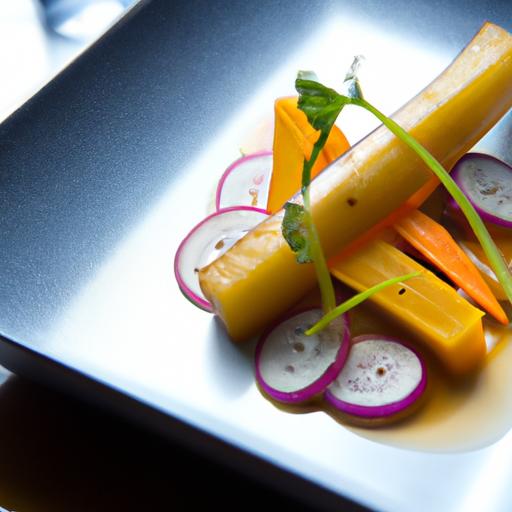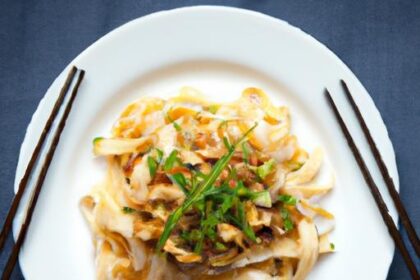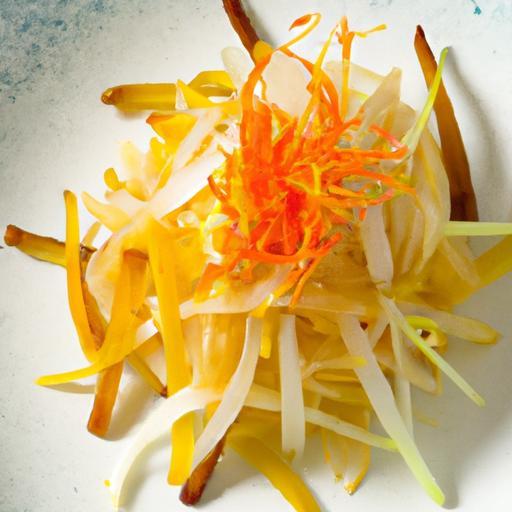

Amid the vibrant tapestry of Japanese cuisine,few ingredients hold the quiet,earthy charm of burdock root. Known as gobo in Japan, this humble root vegetable transforms into a symphony of flavor when prepared as Kinpira Gobo-a classic braised dish that marries simplicity with bold, savory notes. Unlocking the secrets of Kinpira Gobo means delving into a culinary tradition that balances sweetness, heat, and umami in each tender, crisp bite. Journey with us as we explore the origins, techniques, and flavors behind this beloved dish, revealing how braised burdock root can turn an everyday ingredient into a captivating sensory experience.
Kinpira Gobo: Mastering the Art of Braised Burdock Root
Kinpira Gobo is a timeless Japanese side dish that beautifully highlights the earthy yet subtly sweet essence of burdock root. Known for its wonderfully crisp texture balanced with a caramelized glaze of soy and mirin, this braised root vegetable offers a compelling harmony of taste and mouthfeel. Originating from rural kitchens where simplicity and seasonality guided everyday meals, kinpira gobo has become beloved worldwide for its unique flavor profile and versatile applications. As a culinary content creator and food stylist, unlocking the vibrant hues and tactile contrast of this dish transforms kinpira gobo into a feast for the eyes and palate.
Prep and Cook Time
- Preparation Time: 15 minutes
- Cooking Time: 20 minutes
- Total time: 35 minutes
Yield
Serves 4 as a side dish
Difficulty Level
Easy to Medium - Perfect for home cooks looking to experiment with Japanese flavors without intricate techniques.
ingredients
- 200g burdock root (gobo), peeled and julienned
- 1 medium carrot, julienned
- 1 tbsp sesame oil
- 2 tbsp soy sauce
- 1 tbsp mirin
- 1 tbsp sake (optional but recommended)
- 1 tbsp sugar (adjust to taste)
- 1 tsp toasted sesame seeds for garnish
- 1 small dried red chili or pinch of red pepper flakes (optional, for heat)
- Water, for soaking burdock root
- Salt, for blanching
Step-by-Step Instructions
- Prepare the burdock root: Peel the burdock root with the back of a knife or a vegetable peeler, then julienne it into thin matchsticks about 2 inches long. Place the cut burdock in a bowl of water with a splash of vinegar or lemon juice to prevent browning and reduce bitterness. Soak for 10 minutes, then drain and rinse well.
- Blanch the burdock root: Bring a pot of salted water to a gentle boil. Add the burdock root and blanch for 2-3 minutes until slightly tender but still crisp. Drain and set aside to remove excess moisture.
- sauté the vegetables: Heat the sesame oil in a heavy-bottomed skillet over medium heat.Add the julienned carrot and sauté for 2 minutes until they soften slightly. Add the drained burdock root and the dried chili or red pepper flakes if using.
- Incorporate the braising liquids: Stir in the soy sauce, mirin, sake, and sugar. toss everything to coat evenly. Reduce the heat to medium-low and cook for 8-10 minutes, stirring frequently, until most of the liquid evaporates and the roots glisten with a caramelized sheen.
- Finish and garnish: Taste and adjust seasoning as necessary, adding more soy sauce or sugar for balance. Transfer to a serving bowl and sprinkle toasted sesame seeds liberally over the top for a toasty crunch and nutty aroma.
Tips for Success
- To maintain the characteristic crunch of kinpira gobo, avoid overcooking during the braising step; the roots should be tender but with a firm bite.
- If burdock root is unavailable, young carrots or lotus root can be substituted to capture a similar texture and sweetness.
- For a vegan version,ensure your soy sauce doesn’t contain fish extracts and omit sake if desired; dry sherry or water may be used instead.
- Make ahead by preparing kinpira gobo a day in advance-it develops deeper flavors after resting and is delicious cold or warmed.
- To enhance visual appeal for food styling, cut vegetables uniformly and use the freshest burdock root available.Brush with a little toasted sesame oil before serving to bring out shine.
Serving Suggestions
Enjoy kinpira gobo as a vibrant side dish paired with steamed jasmine rice and grilled fish for a balanced Japanese meal. It also works wonderfully as a topping on warm soba noodles or mixed into a bento box for mid-day enjoyment. For a creative twist, layer kinpira gobo atop avocado toast, or gently fold it into creamy scrambled eggs to add texture and umami depth. Garnish with finely sliced scallions or a sprinkle of furikake seasoning to elevate the experience further.

| Nutrient | Per Serving |
|---|---|
| Calories | 90 kcal |
| Protein | 2g |
| Carbohydrates | 15g |
| Fat | 3.5g |
For a deeper dive into Japanese simmered dishes, explore our article on Nimono: Traditional Japanese Simmering Techniques.Discover more about burdock root’s nutritional benefits on the Healthline Burdock Root Guide.
Q&A
Q&A: Kinpira Gobo – Unlocking the Flavor of Braised Burdock Root
Q1: What exactly is Kinpira Gobo?
A1: Kinpira Gobo is a traditional Japanese side dish that highlights the humble burdock root, or “gobo.” The name “kinpira” refers to a cooking style involving sautéing and simmering root vegetables in a savory-sweet sauce. The dish balances earthy,crunchy burdock with a luscious blend of soy sauce,mirin,sugar,and sometimes chili,resulting in a vibrant harmony of flavor and texture.
Q2: Why is burdock root special in Japanese cuisine?
A2: Burdock root has long been prized in Japan not just for its unique, slightly nutty taste but also for its health benefits. It’s rich in dietary fiber, antioxidants, and minerals. Beyond nutrition, burdock’s firm, fibrous texture lends a delightful chewiness that holds up beautifully during cooking, making it a perfect candidate for braising and stir-frying in dishes like Kinpira Gobo.
Q3: How do you prepare burdock root for Kinpira Gobo?
A3: Preparing burdock root involves a bit of mindful peeling and slicing. Typically,you scrape or shave off the thin,brown outer skin with the back of a knife,then julienne the root into thin matchsticks. Soaking the slices briefly in water prevents discoloration and removes some of the earthy bitterness, ensuring that the final dish tastes fresh and vibrant.
Q4: What makes the “kinpira” cooking technique unique?
A4: Kinpira is a marriage of sautéing and simmering – a two-step dance that unlocks deep flavor layers. First, the sliced burdock root is stir-fried in a hot pan with sesame oil until slightly tender and fragrant. Then, a flavorful mixture of soy sauce, mirin, sugar, and sometimes sake is added, and the vegetables braise gently until the liquid is mostly absorbed, glazing the ingredients in a glossy, caramelized finish.Q5: Can Kinpira Gobo be customized or paired with other ingredients?
A5: Absolutely! While classic Kinpira Gobo sticks to burdock and carrot, cooks frequently enough add a splash of creativity-think thinly sliced lotus root, shiitake mushrooms, or a sprinkle of toasted sesame seeds for extra nuttiness. It pairs beautifully with steamed rice, grilled fish, or even as a crunchy, umami-packed topping for salads and noodle bowls.
Q6: What’s the secret to nailing the perfect balance of flavors?
A6: The magic lies in balancing sweet, salty, and umami notes without overpowering the natural earthiness of burdock. The sugar and mirin provide sweetness and caramelization, soy sauce contributes savory depth, and a pinch of chili flakes can add a subtle kick.Adjusting these elements to taste ensures each bite sings with harmony.
Q7: Why is Kinpira Gobo worth trying beyond Japanese cuisine enthusiasts?
A7: Kinpira Gobo transcends cultural boundaries by offering a simple yet elegant flavor profile that complements many diets and palates. Its crunchy texture and sweet-savory glaze bring excitement to the dinner table, while its nutrient-rich burdock root invites a tasty, healthy twist to everyday meals. Once unlocked, the flavor of Kinpira gobo can inspire culinary exploration far beyond its origins.
Uncovering the essence of Kinpira Gobo opens a door to appreciating the hidden treasures of root vegetables-and how humble ingredients, treated with patience and care, can transform into unforgettable dishes. Ready to sauté, simmer, and savor? Your burdock adventure awaits!
In Retrospect
As the earthy notes of kinpira gobo linger on your palate, you begin to appreciate the subtle alchemy that transforms humble burdock root into a vibrant symphony of flavor. This traditional Japanese dish, with its perfect balance of sweet, savory, and umami, invites us to explore not just an ingredient-but a culture’s deep connection to nature’s bounty. Whether served as a side, a snack, or a garnish, kinpira gobo unlocks more than taste; it opens a door to culinary heritage and mindful eating. So next time you encounter burdock root at the market, remember: you’re holding the key to a centuries-old secret, ready to be braised, sliced, and savored in a way that nourishes both body and soul.