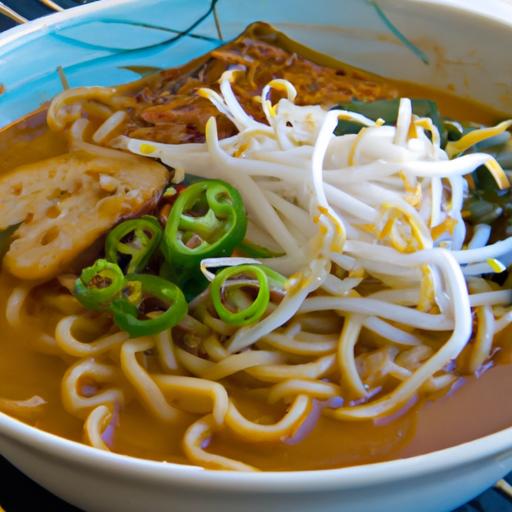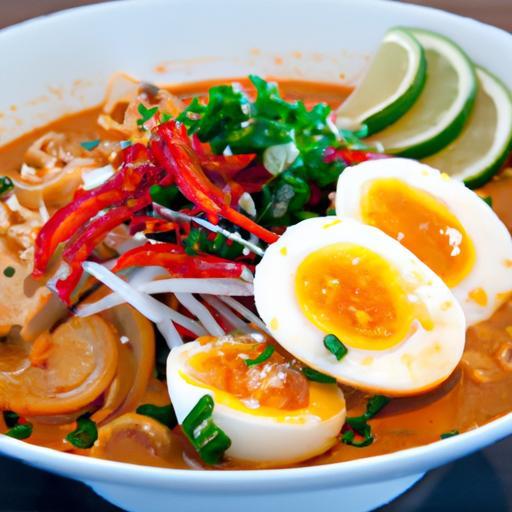

In teh vibrant crossroads of culinary tradition and bold innovation lies a dish that ignites the senses and warms the soul: spicy Thai curry ramen. This fiery fusion marries the rich, aromatic complexity of Thai curry with the comforting, slurp-worthy embrace of Japanese ramen, creating a symphony of flavors that dance on the palate. “Fiery Flavors Unveiled: The Art of Spicy Thai Curry Ramen” invites you to explore the meticulous craft behind this captivating concoction-where fragrant spices, creamy coconut, and tender noodles converge to tell a story of cultural harmony and gastronomic adventure.Prepare to embark on a flavorful journey that celebrates heat, heritage, and the deft artistry of this unforgettable bowl.
Fiery flavors unveiled in this exquisite Thai curry ramen bring a bold symphony of spices that perfectly balance heat and harmony, transforming a humble bowl into a culinary masterpiece. Inspired by traditional Thai elements fused with the comforting allure of Japanese ramen noodles, this dish invites you into an immersive experience where rich aromas and complex layers of flavor come alive. Every spoonful envelops the palate in warmth, from the vibrant red curry paste to the subtle sweetness of coconut milk and the punchy freshness of kaffir lime leaves, creating an unforgettable journey of taste and texture.
Prep and Cook Time
- Planning: 20 minutes
- Cooking: 30 minutes
- Total Time: 50 minutes
Yield
serves 4 generous bowls
Difficulty Level
Medium – Ideal for seasoned home cooks eager to explore an exciting blend of Asian flavors
Ingredients
- 2 tbsp red Thai curry paste (preferably homemade or high-quality store-bought)
- 1 tbsp palm sugar or light brown sugar
- 1 can (13.5 oz) coconut milk – full fat for richness
- 3 cups chicken or vegetable broth
- 1 tbsp fish sauce
- 2 kaffir lime leaves, torn
- 1 stalk lemongrass, bruised and cut into 3-inch pieces
- 1-inch piece fresh ginger, finely grated
- 3 cloves garlic, minced
- 200g fresh ramen noodles or dried noodles (cooked according to package)
- 200g chicken thigh, thinly sliced (optional)
- 1 red chili, thinly sliced, for garnish
- ½ cup fresh Thai basil leaves
- 1 lime, cut into wedges
- 2 tbsp vegetable oil
- Salt and white pepper to taste
Instructions
- Heat oil in a large saucepan over medium heat.Add garlic and ginger, sauté until fragrant-about 1 minute.
- Stir in the red Thai curry paste,frying gently for 2-3 minutes until oils release and paste darkens slightly,intensifying flavor.
- Add palm sugar, kaffir lime leaves, lemongrass, and fish sauce, stirring to combine. Let the mixture caramelize lightly while infusing the aromatics.
- Pour in the coconut milk and broth, bringing the curry base to a gentle simmer. Reduce heat and let it cook gently for 15 minutes, uncovered, allowing flavors to meld and deepen.
- Meanwhile, prepare the ramen noodles according to package instructions, then drain and set aside.
- If using chicken, add thin slices to the simmering curry broth and poach gently for 7-8 minutes until cooked thru but tender.
- Remove lemongrass stalks and kaffir lime leaves from broth. taste and adjust seasoning with salt and white pepper.
- Divide cooked noodles among four serving bowls. Ladle pumpkin-thick broth and chicken atop the noodles.
- Garnish generously with fresh Thai basil leaves, sliced red chili, and a wedge of lime. Encourage diners to squeeze lime over the bowl to add brightness and contrast.
Tips for Success
- Customizing Heat: Adjust the quantity of red curry paste based on your preferred spice level. For a milder taste, start with 1 tbsp and gradually add more.
- Vegetarian Variation: Replace chicken with firm tofu cubes and use vegetable broth for a plant-based alternative.
- Make Ahead: Prepare the curry base a day before to allow flavors to mature overnight; reheat gently before serving.
- Enhance Aroma: Toast the kaffir lime leaves and lemongrass slightly before adding to boost fragrance.
- Broth Clarity: Skim any foam or excess oil off the surface during simmering to keep the soup visually appealing.
Serving Suggestions
This Thai curry ramen shines best served piping hot, accompanied by crisp side dishes such as lightly pickled vegetables or crunchy bean sprouts for textural contrast. A drizzle of toasted sesame oil or a sprinkle of chopped cilantro can add exciting layers of flavor. Present the bowls with vibrant garnishes on the side-the interplay of red chilies, radiant lime, and verdant basil will create an irresistible feast for the eyes and palate.

| Nutrient | Per Serving |
|---|---|
| Calories | 430 kcal |
| Protein | 28 g |
| Carbohydrates | 45 g |
| Fat | 15 g |
For a broader understanding of Thai spices and techniques, explore our Ultimate Guide to Thai Spices. To learn more about the health benefits of coconut milk, visit Healthline’s coconut milk nutrition overview.
Q&A
Q&A: Fiery Flavors Unveiled: The Art of Spicy Thai Curry Ramen
Q1: What exactly is Spicy Thai Curry Ramen?
A1: Spicy Thai Curry ramen is a vibrant fusion dish that marries the bold, aromatic spices of Thai curry with the comforting, slurp-worthy noodles of Japanese ramen. It’s a sensory adventure where creamy coconut milk, fiery chili, and fragrant herbs swirl together in a savory broth, creating a heavenly balance of heat, spice, and richness.
Q2: How did these two distinct cuisines come together?
A2: The marriage of Thai curry and Japanese ramen is a creative culinary crossroads that reflects a growing trend of global flavors colliding. Thai curry’s complex spice palette pairs beautifully with ramen’s chewy noodles and deep broth base, inspiring chefs and home cooks alike to innovate and explore beyond traditional boundaries.
Q3: what makes Thai curry in ramen diffrent from a typical ramen broth?
A3: Traditional ramen broths often emphasize umami from pork bones or miso, but Thai curry ramen invigorates the bowl with layers of fragrant spices like lemongrass, galangal, and kaffir lime leaves. The addition of creamy coconut milk softens the heat and enriches the broth, while vibrant curry paste adds a slightly sweet, tangy kick that awakens your palate.
Q4: Which types of Thai curry are best suited for ramen?
A4: Red and green Thai curries are popular choices. Red curry paste boasts a bold, smoky heat with rosemary and paprika notes, perfect for a fiery punch. Green curry, with its fresh chili and herbaceous flavors, offers a brighter, zestier spin. some adventurous chefs even blend yellow curry’s mellow warmth into their ramen for a comforting twist.
Q5: What key ingredients bring this dish to life?
A5: Essential ingredients include fresh herbs like cilantro and Thai basil, creamy coconut milk, vibrant curry paste, and chewy ramen noodles. Aromatics such as garlic, ginger, and shallots deepen the flavor, while proteins like tender chicken, tofu, or seafood soak up the curry goodness. A squeeze of lime and a sprinkle of toasted peanuts add that final zing and crunch.
Q6: can I make Spicy Thai Curry Ramen at home?
A6: Absolutely! While the flavor profile may seem complex, the ingredients are accessible, and the process is rewarding. Start by simmering your curry paste with coconut milk and broth,then add noodles and your choice of toppings. Experiment with spice levels and garnishes to customize it to your fire-loving heart’s desire.
Q7: What makes this dish an art form?
A7: the art lies in balancing fiery heat with creamy smoothness and layering intricate flavors without overwhelming the senses. It’s about crafting harmony between diverse ingredients – respecting both Thai and Japanese culinary traditions while creating somthing bold and new. Each bowl tells a story of culture, passion, and creativity.
Q8: how can one enjoy Spicy Thai Curry Ramen to its fullest?
A8: Savor it piping hot, letting the steam rise and aromas envelop you. Take time to appreciate the medley of textures – tender noodles, crunchy veggies, silky broth. Pair it with a cooling beverage like iced jasmine tea or a slightly sweet coconut drink to tame the heat and enhance the experience.Q9: Are there variations for different dietary preferences?
A9: Certainly! For vegans, substitute meat with tofu or mushrooms and use vegetable broth. Gluten-free noodles or shirataki noodles can replace traditional ramen for gluten sensitivity. Adjust curry paste and spice components as needed, and embrace fresh veggies to keep the bowl colorful and nutritious.
Q10: What’s the biggest takeaway about Spicy Thai Curry Ramen?
A10: It’s a party of bold flavors and cultural fusion – a dish that excites the palate while comforting the soul. Whether you’re a spice adventurer or a noodle lover, it invites you to dive into a captivating experience where every spoonful is a fiery, flavorful masterpiece.
In Retrospect
As the final steam rises from your bowl, the bold dance of fiery spices and rich, savory broth lingers-an enduring testament to the artful fusion within spicy Thai curry ramen. This vibrant dish, where the aromatic heat of Thai curry meets the comforting embrace of Japanese noodles, invites not just a meal but an experience. With every spoonful, you uncover layers of culture, tradition, and culinary passion, reminding us that the magic of food lies in its ability to ignite both the senses and the soul.So, whether you’re a spice seeker or a flavor explorer, let this fiery fusion inspire your next culinary adventure-because in the world of ramen, there’s always a new story simmering just beneath the surface.