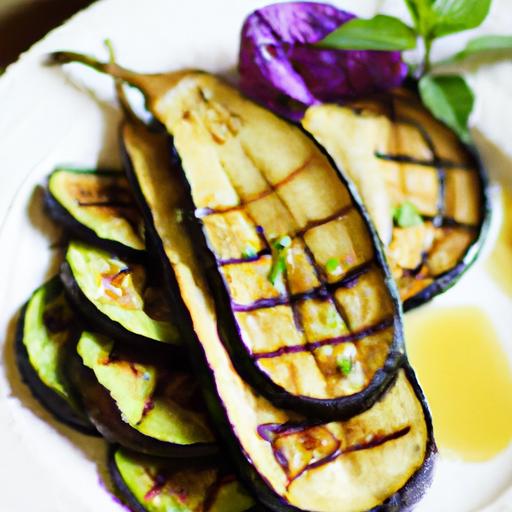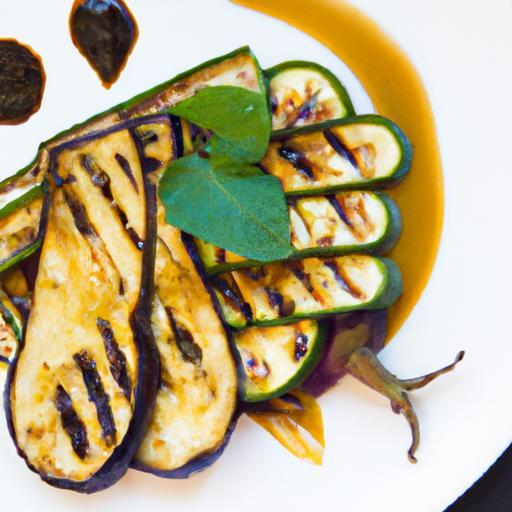

In teh vibrant tapestry of Japanese cuisine, where every ingredient tells a story, Yaki Nasubi – grilled eggplant – stands out as a humble yet unforgettable delight. This simple dish, frequently enough overlooked amid sushi and ramen’s global fame, encapsulates the essence of Japanese cooking: respect for seasonality, elegance in simplicity, and a profound harmony of flavors. As the eggplant’s tender flesh chars gently over glowing coals, it transforms into a smoky, melt-in-the-mouth masterpiece that invites both contemplation and festivity. Join us as we explore the origins, preparation, and cultural importance of Yaki Nasubi, uncovering why this grilled vegetable continues to captivate palates and warm hearts across Japan.
Savoring Yaki Nasubi invites you on an enchanting journey into the heart of Japanese cuisine,where the humble eggplant transforms into a smoky,tender masterpiece. This grilled eggplant delight traces its roots to traditional street fare and home kitchens alike,celebrated for embodying the essence of summer harvests. Growing up in a coastal town in Japan, I recall evenings where the aroma of sizzling eggplants on an open grill mingled with the salty sea breeze, creating memories etched in flavor and warmth.this dish is not just nourishment-it is an artful homage to seasonal simplicity and umami mastery.
Prep and Cook Time
- Preparation: 10 minutes
- Cooking: 15 minutes
- Total: 25 minutes
Yield
serves 4 as an appetizer or side dish
Difficulty Level
Easy – perfect for beginner to intermediate cooks eager to master grilling techniques
Ingredients
- 2 medium Japanese eggplants (Nasubi variety), rinsed and dried
- 2 tablespoons sesame oil (for brushing)
- 1 tablespoon soy sauce (preferably low sodium)
- 1 teaspoon mirin (Japanese sweet rice wine)
- 1 teaspoon finely grated fresh ginger
- 1 clove garlic, minced
- 1 teaspoon toasted sesame seeds (for garnish)
- Chopped fresh scallions (for garnish)
- Optional: a drizzle of ponzu sauce or a dollop of yuzu kosho
Instructions
- Prepare the eggplants: Trim the stems and cut each eggplant in half lengthwise.Score the flesh with shallow diagonal cuts in a crisscross pattern, taking care not to pierce the skin. This allows the marinade and heat to penetrate deeply.
- marinate: In a small bowl,whisk together the soy sauce,mirin,grated ginger,and minced garlic. Brush the cut sides of the eggplant generously with sesame oil, then drizzle the soy mixture over them. Let rest for 10 minutes to soak up the flavors.
- Preheat your grill or grill pan: Set it to medium-high heat and lightly oil the grill grates to prevent sticking.
- Grill: Place the eggplant cut side down. Grill for 5-7 minutes until beautifully charred and softened. Flip them over and grill skin side for another 5-7 minutes, basting occasionally with remaining marinade. The eggplants should be tender but hold their shape.
- Rest and garnish: Remove from heat and let cool slightly on a serving platter.Sprinkle with toasted sesame seeds and fresh scallions. Add a few drops of ponzu sauce or a subtle touch of yuzu kosho for an extra luminous, citrusy kick.
Tips for Success
- Choose slender, firm Japanese eggplants for their tender skin and subtle sweetness.
- If you don’t have a grill, a cast-iron grill pan over medium-high heat is an excellent alternative.
- Use a light brushing of oil to avoid flare-ups but ensure the eggplant doesn’t dry out during grilling.
- Resting the eggplant after grilling helps the juices redistribute for a richer mouthfeel.
- For a smoky depth, try finishing with a swift broil or briefly smoking the eggplant with a handheld smoker.
Serving Suggestions
This dish shines best served warm as part of a traditional Japanese meal or contemporary fusion plate.Pair with steamed jasmine rice and a simple miso soup for a balanced dinner. Garnish with vibrant shiso leaves or a sprinkle of shichimi togarashi for subtle heat and complexity. It also makes a stunning vegetarian appetizer when plated atop a smear of creamy tofu or alongside crisp tempura vegetables.

flavor Pairings and Sauces to Elevate Your Yaki Nasubi experience
The smoky richness of grilled eggplant finds harmony with bright, savory, and umami-laden accents. Beyond the classic soy-based marinade, experiment with dipping sauces like tangy ponzu, rich miso glaze, or a splash of fragrant sesame dressing. Fresh herbs like mitsuba or finely chopped cilantro can add freshness. For a Western twist, a dollop of creamy tahini or a drizzle of chili oil offers exciting texture contrasts and depth. These layers of flavor ensure every bite pulses with balance and surprise.
Where to Find Authentic yaki Nasubi and Insider Tips for Home Preparation
Authentic Yaki Nasubi is widely loved in Japanese street markets and Izakaya taverns, where eggplants are grilled over binchotan coals to achieve their signature smokiness. Visiting spots like Kyoto’s Nishiki Market or Tokyo’s Omoide Yokocho provides an immersive culinary experience to witness this dish’s cultural roots firsthand. For home cooks, investing in a quality grill or cast iron pan and selecting fresh Japanese eggplants are crucial steps. Toasting sesame seeds freshly and using real mirin and soy sauce will elevate authenticity.Practice patience with grilling times to capture the perfect tender texture without mushiness.
| nutrient | Per Serving |
|---|---|
| Calories | 95 kcal |
| Protein | 2 g |
| Carbohydrates | 9 g |
| Fat | 6 g |
For more in-depth Japanese vegetable grilling techniques, visit The Spruce Eats - Yaki Nasubi Recipe. To explore other traditional Japanese dishes that complement grilled eggplant, see our related article on classic appetizers.
Q&A
Q&A: Savoring Yaki Nasubi – Japan’s Grilled Eggplant Delight
Q1: What exactly is Yaki Nasubi?
A1: Yaki Nasubi is a beloved Japanese dish that celebrates the humble eggplant (nasubi) by grilling it to tender, smoky perfection. The name literally means “grilled eggplant,” but this simple phrase belies a culinary tradition bursting with flavor, texture, and cultural nuance.Q2: why is eggplant so special in Japanese cuisine?
A2: eggplants have a revered place in Japanese cooking, prized not just for their taste but their versatility.Their slightly spongy flesh readily absorbs marinades and sauces, making them ideal for grilling, simmering, or frying. In Japan, eggplants are also symbolic of good fortune, famously referenced in the proverb ”Ichiban, hatsuyume ni, Fuji, taka, nasubi” (“The first dream of the New Year should be Mt. Fuji, a hawk, and an eggplant”).
Q3: How is Yaki Nasubi traditionally prepared?
A3: Traditionally, Yaki Nasubi involves piercing or scoring the eggplant, then grilling it whole over charcoal flames. The skin chars slightly,adding a delightful bitterness that contrasts with the creamy,smoky flesh inside.Once grilled, the eggplant may be peeled and drizzled with soy-based sauces, miso pastes, or finished with toppings like bonito flakes or green onions.
Q4: What makes Yaki Nasubi different from other eggplant dishes?
A4: Unlike fried or stewed eggplant dishes, Yaki Nasubi highlights simplicity and purity. The grilling process preserves the eggplant’s natural sweetness and imparts a subtle smoky aroma that can’t be replicated by other cooking methods. It’s an exercise in minimalism where each ingredient’s essence shines.
Q5: Are there regional variations of yaki nasubi in Japan?
A5: Yes! In some regions, Yaki Nasubi is served with miso-based glazes-like the famous Sendai-style grilled eggplants topped with rich miso miso sauce. Elsewhere, it might be paired with tangy vinegar or a sprinkle of shichimi (seven-spice blend) to add heat and complexity. These regional twists reflect local tastes and traditions,offering diverse tasting experiences under one iconic name.
Q6: Can Yaki Nasubi be enjoyed outside Japan?
A6: Absolutely! The beauty of Yaki Nasubi lies in its simplicity and the universal appeal of smoky, tender eggplant. With the rise of Japanese cuisine worldwide, many restaurants and home cooks recreate this dish using grills or broilers. Experimenting with your own sauces or garnishes can make it a delightful fusion creation, too.
Q7: What drinks complement Yaki Nasubi best?
A7: The smoky, savory notes of Yaki Nasubi pair wonderfully with light, crisp beverages. Japanese green tea, chilled sake, or a dry white wine like Sauvignon Blanc can cleanse the palate and highlight the eggplant’s nuanced flavors. For a refreshing contrast, try a sparkling yuzu soda!
Q8: Why should food lovers try Yaki Nasubi?
A8: Yaki Nasubi is more than just grilled vegetables-it’s a sensory journey through Japanese culture and culinary artistry. It invites you to appreciate humble ingredients treated with respect and simplicity. Whether you’re a vegetarian seeking satisfying flavors or a foodie craving new tastes, Yaki Nasubi promises an unforgettable bite of Japan’s soul.
Embrace the magic of fire, smoke, and tradition. Next time you crave somthing both simple and soulful, let Yaki Nasubi transport your taste buds straight to the heart of Japan’s kitchen.
To Conclude
as the smoky aroma of yaki nasubi lingers on your palate, it’s clear that this humble grilled eggplant is more than just a dish-it’s a celebration of Japan’s culinary artistry and seasonal rhythms. Whether enjoyed at a bustling izakaya or prepared gently over charcoal at home, yaki nasubi invites you to savor not just flavors, but a story woven through tradition, simplicity, and care. Next time you encounter this charred, tender delight, remember: each bite carries the essence of Japan’s rich food heritage, inviting you to slow down, appreciate the moment, and relish the understated magic of grilled eggplant.