
There’s nothing quite like the satisfying crunch of perfectly baked falafel-the kind that crackles delightfully with each bite, revealing a tender, flavorful heart within.While customary falafel often owes its crispiness to deep frying, achieving that same golden crunch in the oven can feel like a culinary mystery. But what if the secret to irresistibly crispy baked falafel isn’t a hidden ingredient or an exotic technique, but a simple combination of science and kitchen savvy? Join us as we unlock the secrets behind that coveted crunch, transforming humble chickpeas into a baked delight that’s as crisp as it is wholesome.
Unlocking Crunch is the gateway to perfecting the delicate balance of texture and moisture that transforms simple baked falafel into a culinary marvel. Originating from Middle Eastern street food traditions, falafel’s charm lies in its irresistibly crisp exterior encasing a tender, herbaceous center. Achieving this in the oven-without the mess and oil of deep frying-requires understanding key principles of ingredient selection,moisture management,and heat request.
Prep and Cook Time
- Planning: 20 minutes
- Soaking chickpeas: 12 hours (overnight)
- Cooking (baking): 25 minutes
- total time: Approximately 13 hours (including soaking)
Yield
Makes approximately 20 medium-sized falafel balls (4 servings)
Difficulty Level
Medium
Ingredients
- 1 cup dried chickpeas (soaked 12 hours, drained, do not use canned)
- 1 small onion, finely chopped
- 3 cloves garlic, minced
- 1 cup fresh parsley, packed
- 1 cup fresh cilantro, packed
- 2 teaspoons ground cumin
- 1 teaspoon ground coriander
- ½ teaspoon smoked paprika
- ½ teaspoon baking powder
- Salt and freshly ground black pepper, to taste
- 3 tablespoons chickpea flour (or all-purpose flour)
- 2 tablespoons toasted sesame seeds (for coating and added crunch)
- Optional: 2 tablespoons finely chopped walnuts or pine nuts
- 2-3 tablespoons olive oil (for brushing)
Instructions
- Prepare the chickpeas: Rinse and soak dried chickpeas overnight in plenty of cold water. Drain thoroughly; excess moisture will effect texture.
- Process the base: In a food processor, pulse chickpeas, onion, garlic, parsley, and cilantro until finely ground but not pureed. The mixture should hold together yet remain coarse for texture.
- Season and bind: Transfer to a bowl and stir in cumin, coriander, paprika, baking powder, salt, pepper, and chickpea flour. Add nuts and sesame seeds if using. Refrigerate the mixture for 30 minutes to firm up.
- Shape falafel: Using wet hands or a small ice cream scoop, form mixture into balls or patties about 1.5 inches in diameter. Lightly toss each in sesame seeds for an extra crunchy coating.
- Preheat the oven: Set to 400°F (200°C) and line a baking sheet with parchment paper or a silicone mat.
- Arrange and oil: Place falafel evenly spaced on the sheet. Lightly brush or spray with olive oil to encourage browning and crisp edges.
- Bake with care: Bake for 20 minutes, than gently flip each falafel and brush again with olive oil.Bake another 5-10 minutes until deep golden and crispy on all sides.
- Rest briefly: Let falafel cool 5 minutes on a wire rack to lock in crunch before serving.
Tips for Success
- Soaking is key: Using dried chickpeas and soaking them overnight guarantees that ideal drier, rough base needed for crispness. Canned chickpeas are too wet and yield soggy results.
- Control moisture: After processing, if the mixture feels too wet, sprinkle in a little more chickpea flour or breadcrumbs to keep falafel firm yet tender.
- Fresh herbs matter: Parsley and cilantro infuse brightness but also add moisture-ensure your mixture is compact and chilled before shaping.
- Coatings create crunch: Toasted sesame seeds or finely chopped nuts elevate the exterior texture and add visual appeal.
- even oiling: Rather of drenching falafel, lightly brush with olive oil to promote golden crisp without greasiness.
- Temperature precision: Baking too low softens falafel and too high may burn edges; 400°F strikes the perfect balance for thorough cooking and maximum crunch.
- Make ahead: Form falafel balls and freeze on baking sheets before transferring to bags. Bake directly from frozen-add a few extra minutes to baking time.
Serving Suggestions
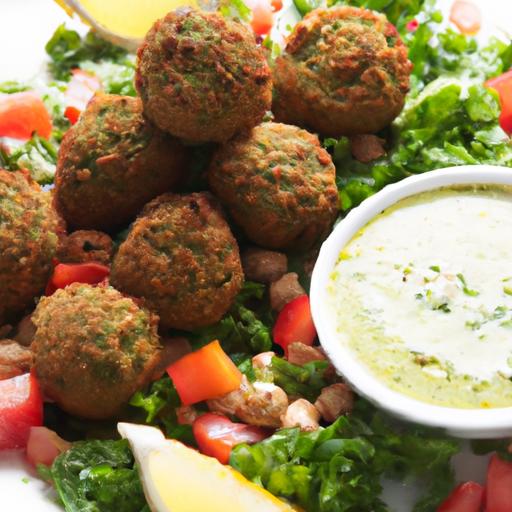
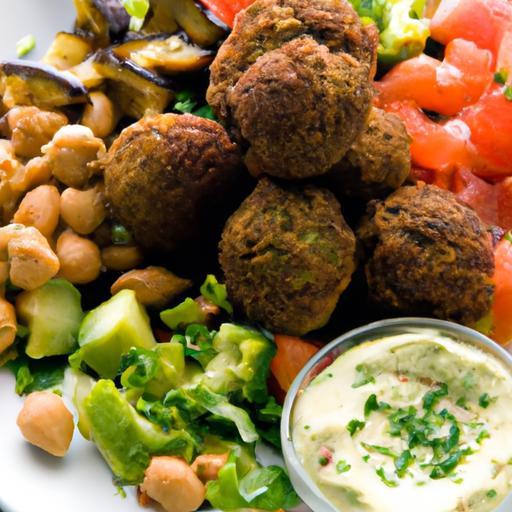
Serve these gloriously crispy falafel nestled in warm pita pockets, topped with creamy tahini sauce and a zesty cucumber-tomato salad. Fresh lemon wedges bring a luminous finish. For an extra crunch contrast, sprinkle with chopped toasted nuts and a dash of sumac. A side of pickled turnips or spicy harissa adds thrilling depth. For a gluten-free twist, swap pita for crisp lettuce wraps and drizzle with garlic yogurt sauce.

| Nutrient | Per Serving (5 falafel) |
|---|---|
| Calories | 280 |
| Protein | 12g |
| Carbohydrates | 30g |
| Fat | 10g |
For more insights on baking techniques and plant-based protein recipes,check out our ultimate plant-based baking guide. To deepen your knowledge of traditional Middle Eastern flavors, Britannica’s overview of falafel offers excellent historical context.
Q&A
Q&A: Unlocking Crunch - The Secret to Crispy Baked Falafel
Q1: Why is achieving crispiness so important for baked falafel?
A1: crispiness isn’t just about texture; it’s the essence of falafel’s irresistible charm. That satisfying crunch contrasts beautifully with the tender, herb-infused interior, turning each bite into a captivating dance of sensations. without that crisp exterior, falafel can feel mushy or bland, missing its signature appeal.
Q2: What’s the key difference between traditional fried falafel and baked falafel in terms of texture?
A2: Traditional fried falafel owes its crunchiness to hot oil creating a deep golden crust, but baking is a gentler process. To replicate that crunch in the oven, it’s crucial to understand moisture control and heat distribution. Baked falafel needs the right balance of ingredients and baking techniques to develop a crackling crust without the excess oil.
Q3: How does moisture affect the texture of baked falafel?
A3: Moisture is the sneaky saboteur of crunch! Too much water or overly soaked chickpeas lead to a wet batter that won’t crisp up. The secret lies in drying the chickpeas thoroughly after soaking and limiting added liquids.A slightly drier batter helps create a firm outer shell that crisps beautifully in the oven.
Q4: Are there any special ingredient tweaks to boost crunchiness?
A4: Absolutely! Adding a small amount of baking soda can create lightness and tiny air pockets,which crisp up in the oven. Incorporating a bit of semolina or fine breadcrumbs adds an extra layer of crunch. Also,fresh herbs reduce moisture and caramelize nicely,contributing to a crisp exterior.
Q5: What baking technique ensures the falafel comes out crispy rather than soggy?
A5: High heat and proper spacing are your best friends. baking falafel at around 400-425°F (200-220°C) allows for Maillard browning, creating that coveted golden shell. Placing the falafel on a well-oiled baking sheet or using a wire rack lets hot air circulate underneath, preventing sogginess and promoting even crisping.
Q6: Can oil be used in baked falafel without turning it into a fried version?
A6: Yes! Lightly brushing or spraying falafel with oil before baking encourages browning and crunch without the greasiness of deep frying. It’s the perfect middle ground-retaining health benefits while delivering that satisfying crunch.
Q7: Is there a way to test readiness without cutting into the falafel?
A7: Give it a gentle tap! A crispy baked falafel will sound firm and hollow-ish when tapped or gently squeezed. The surface should feel sturdy and golden-brown. Resist the urge to pierce or cut early, as that can release steam and soften the texture.Q8: Do these tips apply to othre baked legume patties or are they unique to falafel?
A8: while these principles largely apply to other baked legume-based patties, falafel’s unique blend of chickpeas, herbs, and spices calls for particular moisture control and baking nuances. However, experimenting with drying techniques, baking temperature, and light oiling can universally uplift the crunch factor in many vegetarian patties.
Q9: What’s the final takeaway for someone aiming to unlock that ultimate falafel crunch?
A9: The secret to crispy baked falafel lies in balancing moisture, using the right ingredients to create a firm yet airy batter, and embracing high-heat baking with minimal oil. With these techniques, you can enjoy falafel that’s just as crunchy and delightful as the classic fried version-without the extra oil splash!
Final Thoughts
As you embark on your next falafel adventure, remember: the secret to that irresistible crunch lies not just in the ingredients, but in the careful balance of technique and timing. By unlocking these simple yet transformative tips-like soaking instead of cooking your chickpeas, embracing the right oil temperature, and mastering the bake-you’ll elevate your homemade falafel to crispy, golden perfection every time. So, don your apron, preheat that oven, and prepare to savor falafel with a satisfying snap that’s as delightful as its rich, herbaceous heart. Happy baking, and may your crunch always be legendary!