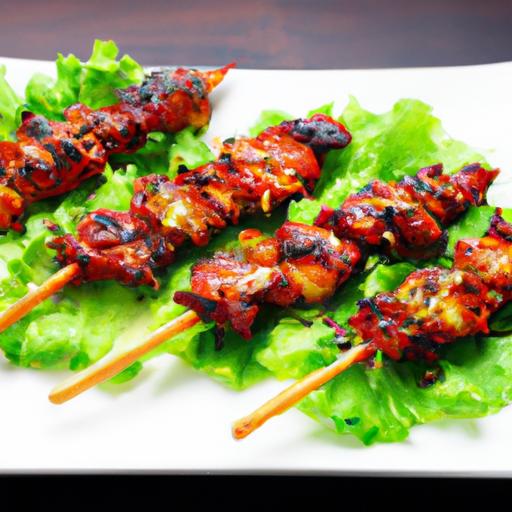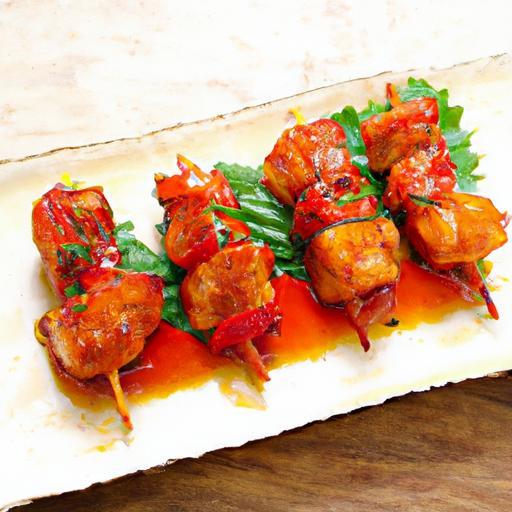

In the heart of Japan’s bustling streets and cozy izakayas lies a culinary tradition that transforms simple chicken into an art form: yakitori. More than just grilled skewers, yakitori is a festivity of craftsmanship, flavor, and social connection-where each bite tells a story of fire, seasoning, and culture. From sizzling charcoal grills to the delicate balance of salty, sweet, and umami, savoring yakitori invites you into a world where every skewer is a testament to Japan’s meticulous devotion to food. Join us as we explore the rich heritage, techniques, and flavors behind this beloved grilled chicken delicacy, and discover why yakitori is much more than just a meal-it’s a flavorful experience to be shared and savored.
Savoring Yakitori: Japan’s Art of Grilled Chicken Skewers
Savoring Yakitori invites you to explore the rich history and vibrant flavors deeply woven into Japan’s beloved culinary tradition. This artful method of grilling tender chicken skewers, celebrated in bustling izakayas across japan, is more than just cooking-it’s a cultural experience that excites the senses and warms the soul. Whether you’re mastering the delicate balance of marinades or choosing the perfect chicken cuts, this guide opens the door to crafting an authentic, mouthwatering yakitori feast in your own kitchen.
Prep and Cook Time
- Preparation: 25 minutes
- Marinating: 1 hour (minimum)
- Grilling: 15 minutes
- total Time: Approximately 1 hour 40 minutes
Yield
Serves 4 - perfect for sharing alongside Japanese pickles, rice, and cold beer.
Difficulty Level
Medium - beginner grillers welcome with some patience on the marinade!
Ingredients
- 500g chicken thighs, boneless, skin-on, cut into 1.5-inch cubes
- 100g chicken breast, skinless, trimmed and cubed (optional for leaner skewers)
- 12 bamboo skewers, soaked in water for 30 minutes
- 3 tbsp soy sauce (preferably Japanese tamari or shoyu)
- 3 tbsp mirin (Japanese sweet rice wine)
- 2 tbsp sake (japanese rice wine)
- 1 tbsp sugar (white or raw)
- 1 tsp freshly grated ginger
- 2 cloves garlic, finely minced
- 2 tbsp vegetable oil (neutral, for basting and grilling)
- Salt and freshly ground black pepper, to taste
- Optional garnish: chopped green onions, toasted sesame seeds, shichimi togarashi spice
Instructions
- Prepare the Marinade: In a small saucepan, combine soy sauce, mirin, sake, sugar, grated ginger, and garlic. Bring to a gentle simmer over medium heat, stirring occasionally until the sugar dissolves entirely. remove from heat and let the sauce cool to room temperature.
- Marinate Chicken: Place chicken thighs and breast cubes in a large bowl. Pour half of the cooled marinade over the chicken, reserving the other half for basting. mix well, cover, and refrigerate for at least 1 hour to allow the flavors to infuse beautifully.
- Skewer the Chicken: Thread 3 to 4 pieces of chicken onto each bamboo skewer, alternating skin and lean meat if desired for texture and flavor balance. Leave a bit of space between pieces for even cooking.
- Preheat the Grill: Whether using a charcoal grill, gas grill, or indoor grill pan, heat it to medium-high. Oil the grill grates lightly to prevent sticking.
- Grill the Yakitori: Place skewers on the grill and cook for about 6-7 minutes per side. During grilling, brush generously with the reserved marinade every 2 minutes to create a luscious, caramelized glaze. Rotate skewers regularly to avoid burning and ensure even cooking.
- Final Seasoning: In the last minute, sprinkle lightly with salt and pepper.Once the chicken is cooked through and glistening with a sticky mahogany glaze, remove from the grill.
- Serve Warm: Arrange skewers on a serving platter and garnish with chopped green onions, sesame seeds, and a pinch of shichimi togarashi for an authentic touch.
Chef’s Notes and Tips for Success
- Authentic cuts matter: Chicken thighs are prized for yakitori because of their juicy texture and deep flavor.Skin-on pieces add extra crunch and richness when grilled.
- Marinate adequately: Allow at least one hour in the fridge, but overnight marinating intensifies the umami magic profoundly.
- Bamboo skewers prep: Soaking prevents burning on the grill and keeps your yakitori safe and easy to handle.
- Alternatives: Experiment with chicken hearts (hatsu) or gizzards (sunagimo) for a customary izakaya experience-just adjust marinating time accordingly.
- Grill control: Moderate heat is critical to get that signature slightly charred yet juicy interior. Avoid high flames that scorch the sweetness of the marinade.
- Make-ahead: Fully grilled skewers can be refrigerated and reheated under a broiler, but fresh off the grill is always best.
Serving Suggestions
Present your yakitori on rustic wooden boards or ceramic platters to evoke traditional izakaya charm. Complement with sides like steamed edamame, pickled daikon radish, and chilled sake for a true sensory indulgence. A crisp salad of shredded cabbage dressed with sesame oil adds freshness. Lemon wedges on the side brighten the richness of the grilled meats. Don’t forget a small bowl of steamed sticky rice as the perfect neutral canvas.

| Nutrient | Per Skewer (approx.) |
|---|---|
| Calories | 120 kcal |
| Protein | 15 g |
| Carbohydrates | 4 g |
| Fat | 5 g |
Discover More Japanese Recipes to Complete Your Table
Explore how traditional flavors elevate simple ingredients with our Donburi rice bowls guide,perfect partners to your yakitori feast.
For deeper insight into the historic art of grilling and the cultural roots of yakitori, visit Japan Guide’s Yakitori Overview, a trusted resource on Japanese cuisine traditions.
Q&A
Q&A: Savoring Yakitori - Japan’s art of Grilled Chicken Skewers
Q1: What exactly is yakitori, and why is it so beloved in Japan?
A1: Yakitori literally means “grilled bird” in Japanese, but it’s much more than just chicken on a stick. it’s a culinary tradition that celebrates simplicity and perfection-bite-sized pieces of chicken, skewered and grilled over charcoal, often seasoned with just salt or a sweet soy-based tare sauce.Its widespread appeal comes from its balance of smoky aroma, tender texture, and the communal spirit of enjoying it fresh, often alongside drinks at lively izakayas (Japanese pubs).
Q2: How does the preparation of yakitori reflect Japanese craftsmanship?
A2: Yakitori preparation is an art requiring precise knife skills and deep knowledge of the chicken’s anatomy. Each skewer features different cuts-from tender breast meat to juicy thighs, crispy skin, flavorful liver, or even cartilage-highlighting a “nose-to-tail” respect for the ingredient. Grillmasters, or “yakitori-ya,” carefully monitor cooking times and charcoal heat to achieve the perfect char and succulence, embodying the meticulous nature of Japanese culinary tradition.
Q3: What makes the charcoal grilling technique special in yakitori?
A3: The use of binchōtan, a type of white charcoal prized in Japan, is crucial to yakitori’s signature flavor. This charcoal burns at a steady, high temperature without overwhelming smoke, allowing the natural flavors of the chicken to shine through. the smoky aroma marries with either the simple seasoning of salt or the complex, caramelized glaze of tare sauce, creating layers of flavor that are both rustic and refined.
Q4: Are there regional variations in yakitori across Japan?
A4: Absolutely! While the fundamental concept remains consistent, regions add their own twist. For instance, in Tokyo, you might find yakitori served with a sweet tare sauce, while in the Kansai region, salt grilling is more prevalent.Some areas incorporate local ingredients into their skewers or offer unique dipping sauces. This diversity reflects Japan’s local pride and culinary creativity within the yakitori tradition.
Q5: How is yakitori typically enjoyed in Japanese culture?
A5: Yakitori is often a social experience, enjoyed in bustling izakayas where friends and coworkers gather after a long day. It’s usually paired with cold beer,sake,or shochu,enhancing the flavors and the camaraderie. The sharing of various skewers encourages conversation and connection,turning a simple meal into a rich cultural ritual.
Q6: Can yakitori be recreated at home, and what tips should beginners keep in mind?
A6: Yes! While the authentic yakitori experience is tied to charcoal grilling, home cooks can approximate it using a grill or broiler. Key tips include cutting the chicken into uniform pieces for even cooking, threading the skewers loosely to allow heat circulation, and basting with tare or seasoning with salt just before finishing. Patience is key-overshooting the grill can dry out the meat, while gentle, attentive grilling unlocks tender, juicy perfection.
Q7: What role does yakitori play in Japan’s modern food scene?
A7: Beyond traditional izakayas, yakitori has found its way into contemporary dining-from trendy street food stalls to upscale restaurants innovating with fusion flavors. It remains a symbol of hearty, approachable food that bridges generations, honoring Japan’s culinary roots while evolving with global tastes.
Savoring yakitori is more than eating grilled chicken; it’s embracing an enduring cultural craft that invites you to relish the harmony of flavor, technique, and togetherness. Each skewer tells a story-fire meeting flesh, mastery meeting flavor, friends meeting laughter. Dive into Japan’s art of yakitori and discover why this humble dish has captured hearts and palates worldwide.
The Way Forward
As the embers fade and the last morsel of tender, smoky yakitori disappears from the skewer, what remains is more than just a satisfied palate-it’s a deeper appreciation for a culinary tradition that balances simplicity and precision. Yakitori is not merely grilled chicken; it is indeed a celebration of craftsmanship, seasonality, and conviviality woven into every bite. Whether enjoyed at a bustling tokyo izakaya or recreated in your own backyard,savoring yakitori invites you to connect with Japan’s rich cultural tapestry,one flavorful skewer at a time. So next time you seek a taste that’s both humble and profound, remember the art of yakitori-a small skewer with a big story to tell.