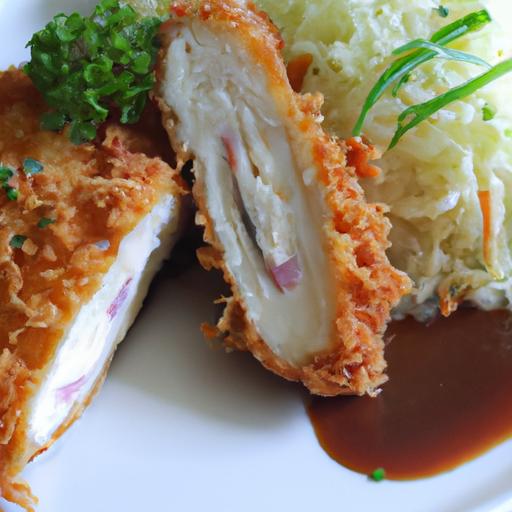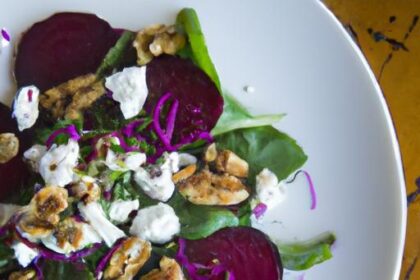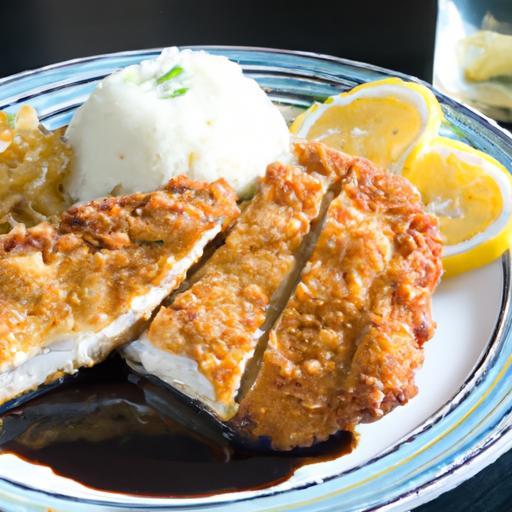

There’s something undeniably satisfying about the crisp crunch of perfectly fried chicken katsu-the golden crust giving way to tender, juicy meat inside, each bite a harmonious blend of texture and flavor. While this beloved Japanese comfort food might seem like a treat reserved for restaurant menus, making crispy homemade chicken katsu is surprisingly simple and rewarding. In this step-by-step guide, we’ll unravel the secrets behind achieving that irresistible crunch and mouthwatering taste right in your own kitchen. Whether you’re a seasoned home cook or a curious beginner, prepare to elevate your culinary repertoire with this delightful dish that’s sure to become a staple at your table.
Crispy Homemade Chicken katsu: A Step-by-Step delight
crispy homemade chicken katsu is a timeless Japanese comfort food that perfectly balances tender, juicy chicken with an irresistibly crunchy exterior. This beloved dish, originating from the fusion of Western-style fried cutlets with Japanese culinary finesse, transforms simple ingredients into a sensational experiance. Whether you’re replicating a nostalgic flavor or discovering it for the first time, mastering the steps to crisp, golden perfection will elevate your home-cooking repertoire.
Prep and Cook Time
- Planning: 20 minutes
- Cooking: 15 minutes
- Total Time: 35 minutes
Yield
Serves 4 people generously
Difficulty Level
Easy to Medium - perfect for both beginners eager to try Japanese cuisine and seasoned cooks looking to refine classic frying techniques.
Ingredients
- 4 boneless,skinless chicken thighs (for juiciness and tenderness; alternatively,chicken breasts can be used)
- Salt and freshly ground black pepper,to taste
- 1 cup all-purpose flour,sifted
- 2 large eggs,beaten
- 1 1/2 cups panko breadcrumbs (Japanese-style breadcrumbs for ultimate crunch)
- Vegetable oil or canola oil,for frying (enough to submerge chicken pieces)
- Fresh lemon wedges,for garnish
- Optional: chopped green onions or sesame seeds,for garnish
Instructions
- Prepare the chicken: Pat the chicken thighs dry with paper towels. Place each piece between two sheets of plastic wrap and gently pound to an even thickness of about ½ inch using a meat mallet or rolling pin. Season both sides evenly with salt and pepper.
- Set up a breading station: Place the flour in a shallow dish, beaten eggs in another, and panko breadcrumbs in a third. For a rock-solid crunch, toast the panko lightly in a dry skillet over medium heat until golden and fragrant – let them cool before breading.
- Bread the chicken: Coat each piece first in flour, shaking off excess. Dip into the beaten eggs, allowing the excess to drip away. press firmly into the panko breadcrumbs ensuring every nook is covered evenly. For double crispiness, repeat the egg and breadcrumb step once more.
- Heat the oil: Pour oil into a deep skillet or heavy-bottomed pan to a depth of about 1 inch. Heat the oil over medium heat to 340°F (170°C). Use a thermometer for accuracy-to hot burns the crust, too cool makes it greasy.
- Fry the chicken: Gently place the breaded thighs in the hot oil, ensuring not to overcrowd the pan. Fry for 5-6 minutes on each side until a deep golden brown forms and the chicken reaches an internal temperature of 165°F (74°C). Turn carefully with tongs to protect the crust.
- Drain and rest: Remove the chicken from oil and place on a wire rack over a paper towel-lined tray to drain excess oil but keep crispness intact. Allow to rest for 5 minutes before slicing to maintain juiciness.
- Slice and serve: Cut chicken katsu into strips, arrange on a serving plate, and garnish with fresh lemon wedges and optional green onions or sesame seeds.
Chef’s Notes: Tips for Success
- Choosing the chicken: Thighs offer more moisture and flavor, but chicken breasts are leaner and equally flavorful. Uniform thickness ensures even cooking and prevents drying out or undercooked centers.
- Mastering the breading: Pressing panko firmly onto the chicken helps form a crackling crust that holds through frying. Toasting panko first intensifies flavor and enhances crispiness.
- Oil temperature: Maintaining consistent medium heat (340°F) is key to achieving that perfect golden crust without absorbing excess oil. Invest in a kitchen thermometer for precise control.
- Make-ahead tips: Breaded chicken can be prepped ahead and refrigerated for up to 4 hours before frying.This helps speed up cooking on busy days and improves the coating adhesion.
- alternative cooking methods: For a healthier option, bake breaded chicken katsu on a wire rack at 425°F (220°C) for 20-25 minutes, flipping midway. the texture won’t match frying exactly but still yields a satisfying crunch.
Serving Suggestions and sauces to Elevate Your Chicken Katsu Experience
Serve your crispy homemade chicken katsu atop fluffy steamed rice or alongside a simple shredded cabbage salad dressed with a tangy sesame vinaigrette. For a truly authentic touch, pair with rich and savory tonkatsu sauce-readily available in Asian markets or easily homemade by combining ketchup, Worcestershire sauce, soy sauce, and a hint of honey.
Alternatively, offer a variety of dipping sauces to delight diverse palates: spicy mayo made by blending mayonnaise and sriracha, tangy ponzu sauce for a citrus punch, or a creamy Japanese curry for a heartwarming twist.
Brighten the plate with garnishes such as lemon wedges to cut through the fried richness, and sprinkle scallions or toasted sesame seeds for added texture and visual appeal.
Nutritional Data (Per Serving)
| Calories | Protein (g) | Carbs (g) | Fat (g) |
|---|---|---|---|
| 420 | 35 | 30 | 18 |
For more related japanese fried food recipes, check out our Crispy Tempura Recipe. To deepen your understanding of the science behind frying oils and temperature control, visit this informative Serious Eats article on frying oil.

Q&A
Q&A: Crispy Homemade Chicken Katsu – A Step-by-Step Delight
Q: What exactly is chicken katsu?
A: Chicken katsu is a beloved Japanese dish featuring juicy chicken cutlets coated in panko breadcrumbs and fried to golden, crispy perfection. It’s a harmonious marriage of tender meat and crunchy exterior, frequently enough served with savory tonkatsu sauce and a side of fluffy rice or shredded cabbage.
Q: Why make chicken katsu at home instead of ordering it?
A: Making chicken katsu at home lets you control every delicious detail-from the thickness of your cutlets to the crispiness of your coating. Plus, it’s a rewarding kitchen adventure that fills your home with mouthwatering aromas and guarantees freshness, all while sparing your wallet!
Q: What are the key ingredients for crispy homemade chicken katsu?
A: The essentials are simple and easily found: boneless, skinless chicken breasts or thighs, all-purpose flour, eggs, and Japanese-style panko breadcrumbs. Don’t forget a pinch of salt and pepper to season your chicken, and oil with a high smoke point-like vegetable or canola-for frying.
Q: How do panko breadcrumbs differ from regular breadcrumbs?
A: Panko breadcrumbs are lighter,airier,and flakier than standard breadcrumbs,creating that signature crunchy texture chicken katsu is famous for. Their coarser consistency also absorbs less oil, resulting in a crispy but light coating.
Q: What’s the step-by-step process to achieve perfect chicken katsu?
A: Start by pounding the chicken to an even thickness for uniform cooking. Next,season lightly,then dredge each piece in flour to help the egg stick. Dip it into beaten eggs, then coat generously with panko. Fry in hot oil until the breading turns deep golden and the chicken is cooked through – usually about 3-4 minutes per side. Drain on paper towels to keep it crisp!
Q: How can I ensure my chicken katsu stays crispy after frying?
A: Avoid stacking the cutlets right after frying; instead, place them on a wire rack to drain excess oil and air-dry.Serve promptly for maximum crunch, and consider warming the oven to keep cooked pieces crisp if you’re making multiple servings.
Q: Are there any secret tips for extra flavor?
A: Marinating your chicken briefly in a touch of soy sauce, garlic, and ginger can deepen the savory punch. For the perfect finishing touch, serve with homemade tonkatsu sauce-a tangy, slightly sweet condiment made from Worcestershire sauce, ketchup, soy sauce, and a hint of sugar.
Q: Can chicken katsu be adapted for a healthier version?
A: Absolutely! Try baking the breaded cutlets at 400°F (200°C) on a wire rack for 20-25 minutes,flipping halfway. While the texture differs slightly from frying, it still delivers satisfying crispiness with less oil.
Q: What sides complement chicken katsu best?
A: Classic pairings include steamed white rice, tangy shredded cabbage with a light sesame dressing, and pickled vegetables. Miso soup or a simple cucumber salad also balance the richness beautifully.
Q: Any final advice for first-time chicken katsu chefs?
A: Patience and preparation are your best friends. Take time to prep your station-flour, egg, and panko arranged neatly-and keep your oil at the right temperature. With a bit of practice, you’ll be savoring restaurant-quality chicken katsu right at home, crispy with every bite!
Final Thoughts
With its irresistibly crunchy crust and tender, juicy interior, homemade chicken katsu transforms a simple meal into a culinary celebration. By mastering each step-from the perfect seasoning, to the delicate breading process, to the golden frying-you unlock the secret to that signature crispiness that keeps you coming back for more. Whether served with a tangy tonkatsu sauce or alongside a bed of steaming rice and fresh veggies,this crispy delight promises comfort and satisfaction in every bite. So roll up your sleeves, embrace the art of homemade cooking, and let your kitchen be filled with the joyful aroma of chicken katsu made just the way you like it.