
Beneath the shimmering surface of rivers and oceans alike swims a creature wrapped in mystery and marvel-the salmon. Often hailed as nature’s pink ocean superfish, salmon captivate scientists and storytellers with their vibrant hues, astonishing life journeys, and vital role in aquatic ecosystems. From their epic migrations across vast waters to their unique adaptations that defy the challenges of land and sea, salmon embody resilience and ecological wonder. In this exploration of “Salmon Secrets,” we dive deep into the biology,behavior,and hidden stories of these fascinating fish,unveiling the remarkable traits that make salmon a true symbol of nature’s ingenuity.
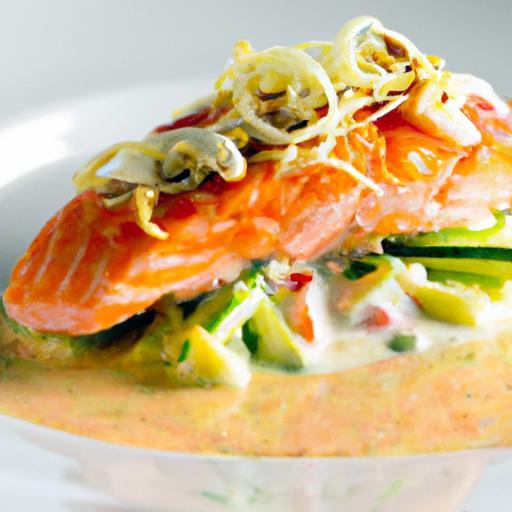
Salmon Secrets: Exploring Nature’s Pink Ocean Superfish invites you to experience an exquisite balance of vibrant flavors and nourishing textures fused in this Pan-Seared Citrus-Dill Salmon. Inspired by coastal culinary traditions,this dish highlights the freshest salmon fillets,kissed by zesty lemon and fresh aromatic dill,offering a sublime flavor that celebrates the glory of this oceanic treasure.
Prep and Cook Time
Prep Time: 15 minutes
Cook Time: 12 minutes
Total time: 27 minutes
yield
Serves 4
Difficulty Level
Easy
Ingredients
- 4 skin-on salmon fillets (6 oz each), fresh and wild-caught
- 1 tbsp extra virgin olive oil
- 2 tbsp unsalted butter
- 1 lemon, zested and juiced
- 2 tbsp fresh dill, finely chopped
- 3 cloves garlic, minced
- Salt and freshly ground black pepper, to taste
- 1/2 tsp smoked paprika (optional for a subtle smoky touch)
- Fresh parsley, for garnish
Instructions
- prepare the salmon: Pat the salmon fillets dry with paper towels, then season generously with salt, black pepper, and smoked paprika on both sides. This enhances the natural flavors and creates a wonderful crust.
- Heat the pan: Warm the olive oil over medium-high heat in a heavy-bottom skillet or cast iron pan. Once the oil shimmers, place the salmon fillets skin-side down. Sear for about 5-6 minutes without moving to achieve a crisp skin.
- Flip and add aromatics: Carefully flip the fillets. Add the butter, minced garlic, lemon zest, and half the dill to the pan. Tilt the pan slightly and spoon the melted butter mixture over the fish as it cooks for an additional 5-6 minutes. This technique infuses aromatic richness.
- Finish with lemon: Remove the pan from heat, and drizzle the fresh lemon juice over the salmon. This brightens the dish and balances the buttery richness perfectly.
- Rest and plate: Let the salmon rest for 2 minutes before serving. Sprinkle the remaining fresh dill and parsley on top for vibrant color and freshness.
Tips for Success
- Skin crispness: ensure your salmon is dry before searing to prevent sticking and promote perfect crispiness.
- Wild vs. Farmed: Opt for wild-caught salmon to support sustainable fishing practices and experience bolder flavors.
- Make ahead: Prepare marinade and dill butter in advance to shorten cook time on busy evenings.
- Substitutions: Tarragon or fresh basil can replace dill for an choice herbal note.
- Checking doneness: Cook untill salmon flakes easily with a fork but retains moistness inside; use an instant-read thermometer (125°F) for precision.
Serving Suggestions
Present this delectable salmon on a bed of vibrant quinoa salad or creamy garlic mashed potatoes for comfort with a fresh twist. Garnish with thin lemon wheels and a sprig of dill, adding edible flowers for a gourmet touch. Pair alongside a chilled Sauvignon Blanc or sparkling water infused with cucumber and mint to complement the dish’s bright, oceanic essence.

| Nutrient | Per Serving |
|---|---|
| Calories | 370 kcal |
| Protein | 34 g |
| Carbohydrates | 2 g |
| fat | 24 g |
For a deeper dive into sustainable seafood, visit the marine Stewardship Council.You can also explore our complete guide on wild salmon health benefits to learn more about why this ocean superfish deserves a spot on your table.
Q&A
Q&A: Salmon Secrets – Exploring Nature’s Pink Ocean Superfish
Q1: Why is salmon often called the “pink ocean superfish”?
Salmon earns this vibrant nickname thanks to its striking pink flesh and powerhouse status in the marine world. Packed with omega-3 fatty acids, antioxidants, and high-quality protein, salmon isn’t just tasty-it’s a nutritional dynamo that fuels ecosystems and human health alike.
Q2: What makes salmon so unique compared to other fish?
Salmon has a remarkable life journey unlike most fish.Born in freshwater streams, they embark on epic migrations to the salty ocean, sometimes traveling thousands of miles, before returning upstream to spawn.This incredible adaptability to both fresh and saltwater environments showcases their evolutionary masterpiece.
Q3: How do salmon get their iconic pink color?
Their rosy hue actually comes from carotenoid pigments called astaxanthin, wich salmon consume through their diet-mainly krill and shrimp. These pigments not onyl lend salmon its signature glow but also act as powerful antioxidants, protecting fish cells from damage during their arduous migrations.
Q4: What role do salmon play in their ecosystems?
Salmon are ecological superheroes. When they return to their natal rivers to spawn and die, their nutrient-rich bodies feed bears, eagles, and countless other animals. these nutrients also fertilize riverine forests, stitching a natural cycle of life that supports diverse species inland as well as at sea.Q5: Are wild salmon and farmed salmon nutritionally different?
Yes, and the differences are telling. Wild salmon tend to have higher levels of natural astaxanthin and a more varied diet, resulting in richer flavor and distinct nutritional profiles. Farmed salmon, while still nutritious, often get their pink color through dietary supplements and may have different fat content depending on feed and farming practices.
Q6: How is climate change impacting salmon populations?
Climate change is shifting water temperatures and stream conditions, which challenges salmon’s delicate migration and spawning patterns. Warmer waters can reduce oxygen levels and increase susceptibility to disease, putting pressure on both wild populations and the broader food web connected to them.Q7: What can we learn from salmon about resilience and survival?
Salmon embody tenacity-navigating hazardous waters, evading predators, and overcoming environmental hurdles to complete their life cycle. Their story reminds us of the power of adaptation, endurance, and the vital connections between land, sea, and all living things.
Q8: How can we help protect these pink ocean superfish?
Supporting sustainable fishing, restoring freshwater habitats, reducing pollution, and addressing climate change are crucial steps. By valuing salmon not just as food but as keystone species in fragile ecosystems, we can help ensure their secret journeys continue for generations to come.
In Summary
as we close the chapter on the vibrant world of salmon, it’s clear these remarkable fish are much more than just a meal on our plates-they are living wonders of nature’s design.From their mysterious migrations to their vital role in ocean and freshwater ecosystems, salmon embody resilience, transformation, and the delicate balance of life beneath the waves. By unlocking the secrets of these pink ocean superfish,we deepen our recognition not only for their shimmering beauty but also for the intricate web of life they help sustain. So next time you spot a flash of silver in a rushing stream or savor the rich flavor of salmon on your fork, remember: you’re witnessing the legacy of one of nature’s most extraordinary travelers.