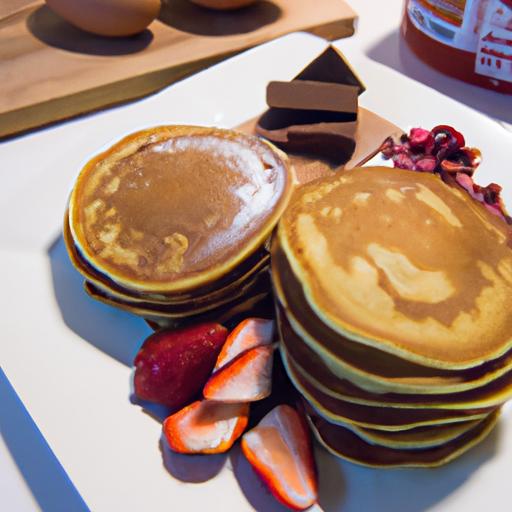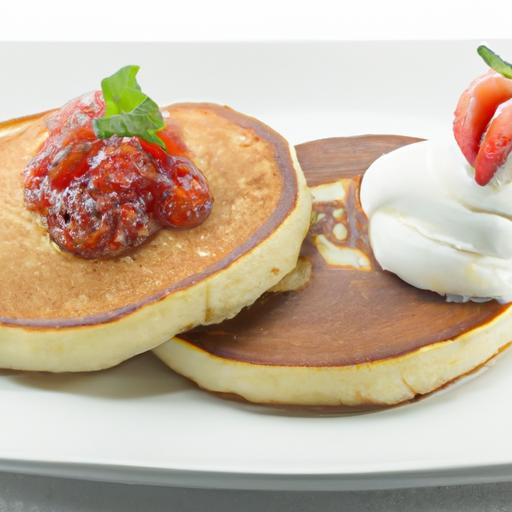

nestled within the vibrant tapestry of Japan’s culinary heritage lies a sweet treasure that has captivated taste buds for generations: the dorayaki. Thes golden, fluffy pancakes, lovingly sandwiched around a rich, velvety filling of sweet red bean paste, offer more then just a delightful treat-they are a gateway into centuries of tradition, culture, and artistry.In this exploration of “Dorayaki Delight,” we will unwrap the story behind Japan’s beloved red bean pancakes, uncover the nuances of their unique flavor profile, and discover why this humble confection continues to enchant both locals and visitors alike.Join us as we dive into the sweet world of dorayaki,were every bite is a harmonious blend of history and taste.
The Origins and Cultural Significance of Dorayaki Delight
Dorayaki Delight is more than just a sweet treat; it carries centuries of history and cultural symbolism embedded within its golden, fluffy pancakes and luscious sweet red bean filling. Traditionally enjoyed during festivals and family gatherings in Japan, this beloved dessert has its roots in the Edo period.Legend has it that a samurai left behind his gong-called a dora-which inspired the pancake’s name and shape. Over time, these pancakes became a staple, celebrating the harmony of textures and flavors, symbolizing warmth and togetherness across Japanese households.
My first encounter with Dorayaki Delight was in a small Tokyo street market, where the warm aroma of caramelized batter and earthy adzuki beans instantly captivated me. What makes this dish truly special is its balance between the lightly spongy pancakes and the smooth yet textured anko (red bean paste), offering a delicate sweetness that perfectly complements a cup of green tea or a refreshing glass of milk.
Prep and Cook Time
- Preparation: 15 minutes
- Cooking: 15 minutes
- Total Time: 30 minutes
Yield
Approximately 8 small dorayaki pancakes (serves 4)
Difficulty Level
Easy – perfect for home cooks eager to try authentic Japanese sweets
Crafting the Perfect Pancake: Ingredients and Techniques
- 2 large eggs
- 1/2 cup granulated sugar
- 1 tablespoon honey
- 1 cup all-purpose flour, sifted
- 1 teaspoon baking powder
- 3-4 tablespoons water (adjust for batter consistency)
- 2 tablespoons vegetable oil (for greasing the pan)
- 1 cup sweetened red bean paste (anko) – see next section for traditional vs. modern variations
Instructions
- Whisk the eggs and sugar together in a medium bowl until the mixture becomes pale and slightly frothy, about 3 minutes.
- Add honey and mix until fully incorporated. This adds moisture and a subtle floral sweetness to the pancake.
- Sift together all-purpose flour and baking powder to ensure even rising and a smooth batter.
- Gently fold the dry ingredients into the egg mixture, stirring just until combined to avoid overmixing, which can toughen the pancakes.
- Gradually add water to loosen the batter to a thick,pourable consistency (think thick cream). The batter should flow slowly off your spoon but not be runny.
- Heat a non-stick skillet over medium-low heat and brush lightly with vegetable oil to prevent sticking.
- Pour tablespoons of batter onto the skillet, forming small circles about 3 inches in diameter. Cook for 2-3 minutes or until bubbles appear on the surface and edges slightly dry.
- Flip gently and cook the other side for another 1-2 minutes until golden brown.
- Remove pancakes and place on a wire rack to cool slightly.
- Once cooled,spread 1 to 2 tablespoons of sweet red bean paste on one pancake and sandwich with another pancake,pressing gently to seal the filling inside.
- Repeat until all pancakes are used.
Exploring Traditional and Modern Red Bean Fillings
Authentic dorayaki Delight features anko – sweetened red bean paste made from azuki beans simmered and mashed with sugar. Traditional anko is smooth yet retains a slight texture, embodying a comforting natural sweetness. For those seeking a modern approach, variations include:
- White bean paste (shiro-an): A milder taste offering a delicate contrast to the pancakes.
- Chestnut and red bean mix: Adds nutty richness and festive flair.
- Chocolate-infused adzuki paste: For a fusion twist blending classic Japanese flavor with popular Western sweets.
Whichever filling you choose, the harmony between the moist pancake and rich paste is the heart of every bite.
Tips for Success in Making dorayaki Delight
- Temperature control: Use medium-low heat to prevent burning the pancake exterior while ensuring it cooks through evenly.
- Batter consistency: Adjust water slowly for the perfect thick but pourable batter; too thin results in flat pancakes.
- Rest the batter: Letting it rest for 10 minutes after mixing improves texture and tastiness.
- Non-stick skillet: Essential for perfectly shaped pancakes and effortless flipping.
- Make ahead: Pancakes can be stored in an airtight container; assemble sandwiches just before serving to avoid sogginess.
Serving Suggestions
Present your Dorayaki Delight on a wooden serving board or traditional Japanese ceramic plate for an authentic touch. Garnish with a light dusting of powdered sugar or matcha powder to enhance visual appeal and add a subtle bitterness. Serve alongside freshly brewed green tea or roasted hojicha to balance the sweetness.
For a modern dessert platter, include fresh fruits like sliced strawberries or a dollop of whipped cream to complement the texture and flavor.
Nutritional Details per Serving
| Nutrient | Amount |
|---|---|
| Calories | 210 kcal |
| Protein | 5 g |
| Carbohydrates | 38 g |
| Fat | 4 g |

Enjoy exploring more traditional Japanese sweets such as Matcha Mochi or learn about the cultural richness behind Japanese desserts at Japan Guide.
Q&A
Q&A: Dorayaki Delight – Exploring Japan’s Sweet Red Bean Pancakes
Q1: What exactly is Dorayaki?
A: Dorayaki is a beloved Japanese confection consisting of two fluffy, golden pancakes sandwiched around a sweet filling of red bean paste, known as anko. Picture a soft,spongy pancake hug for a rich,subtly sweet center-this humble treat has been warming hearts and taste buds across Japan for centuries.
Q2: Where did Dorayaki originate?
A: Dorayaki’s origins weave into folklore and culinary history alike.Its name derives from the Japanese word dora, meaning “gong,” inspired by the pancakes’ round, flat shape resembling a traditional gong. One famous legend tells of a samurai who left his gong behind after forgetting it at a farmer’s home, where the pancakes were first made. While the exact birthplace is up for debate,Dorayaki gained widespread popularity in the early 20th century,especially after confectioner Usagiya in Tokyo perfected the recipe in 1914.
Q3: What makes the red bean paste so special?
A: The red bean paste in Dorayaki is typically made from azuki beans, cooked and sweetened to create a smooth, luscious paste. Unlike Western jams or custards,anko carries a uniquely earthy sweetness,balancing softness with a slight texture from the beans. It’s this gentle, honest flavor that truly sets Dorayaki apart from other sweets.
Q4: Are there variations of Dorayaki?
A: Absolutely! While traditional anko filling remains a classic, modern takes have introduced custards, chocolate, chestnut cream, and even matcha (green tea) flavored pastes. Some variations experiment with pancake batter, incorporating ingredients like honey, brown sugar, or even castella cake for extra fluffiness. This playful versatility keeps Dorayaki beloved by old and new generations alike.
Q5: How is Dorayaki traditionally enjoyed?
A: Typically, dorayaki is enjoyed as a snack or dessert alongside a steaming cup of green tea or matcha. The warm pancakes paired with the sweet red bean paste create a comforting and nostalgic experience. In Japan, it also appears during festivals and holidays, symbolizing a little pocket of happiness.
Q6: Can you make Dorayaki at home?
A: definitely! Dorayaki is surprisingly approachable for home cooks. With simple ingredients-flour, eggs, sugar, and red bean paste-you can whip up your own batch. The key lies in frying the pancakes evenly until golden brown and making sure your red bean paste has the right balance of sweetness and texture. Homemade Dorayaki frequently enough brings a delightful sense of accomplishment and a taste of Japan’s soul into your kitchen.
Q7: Why has Dorayaki remained so popular in Japanese culture?
A: Dorayaki resonates as more than just a snack; it’s a cultural icon. From being the favorite treat of the beloved anime character Doraemon to symbolizing comfort and tradition, it embodies simplicity and warmth. Its ability to evolve while honoring roots makes Dorayaki a sweet emblem of Japan’s culinary heritage and innovation.
Q8: Where can travelers find the best Dorayaki in Japan?
A: For aficionados and curious taste seekers, Tokyo’s historic district of Asakusa is dotted with nostalgic sweet shops that serve classic Dorayaki. Usagiya, known for its traditional recipe, remains a cherished stop.Beyond the capital, exploring local bakeries in Kyoto, Osaka, or smaller towns can uncover unique, handcrafted versions, each with its own touch of regional flavor.
Dorayaki invites you on a appetizing journey through Japan’s culture, tradition, and innovation-all wrapped inside two tender pancakes. Ready to take a bite?
Future Outlook
As we wrap up our sweet journey through the world of dorayaki, it’s clear that these humble red bean pancakes are much more than just a treat-they are a delicious thread woven into the rich tapestry of Japanese culture. From their fluffy, golden buns to the luscious, subtly sweet azuki filling, dorayaki capture a perfect balance of texture and flavor that has delighted generations. Whether enjoyed in a traditional tea house, shared as a nostalgic snack, or reinvented with modern twists, dorayaki continues to embody the spirit of Japan’s culinary artistry. So next time you bite into this delightful confection, remember your savoring a bite of history, tradition, and a little bit of magic that has stood the test of time.