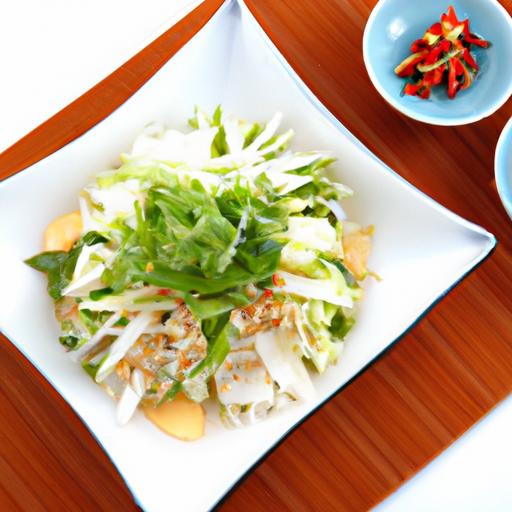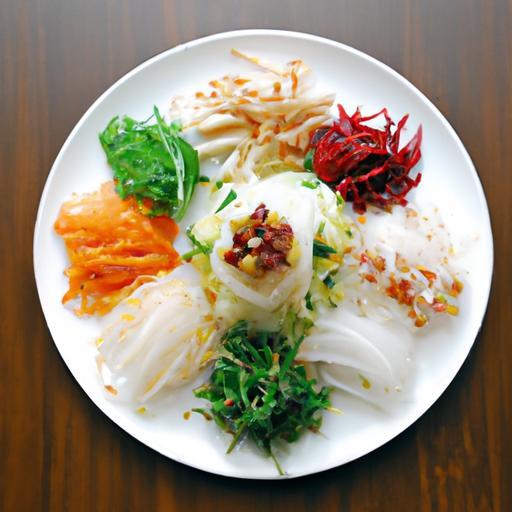

Embark on a tantalizing journey through Korea’s rich culinary landscape with our vibrant recipe series, “Discover Korea’s Flavors.” From the fiery depths of gochujang-spiced stews to the delicate harmony of fresh kimchi and savory bulgogi grills, Korean cuisine offers a feast not just for the palate but for the soul. In this showcase, we’ll unravel the stories behind iconic dishes, explore the unique ingredients that define Korea’s vibrant food culture, and guide you step-by-step to recreate these authentic flavors in your own kitchen. Get ready to awaken your senses and experience a colorful tapestry of tastes that celebrate tradition, innovation, and the unforgettable joy of Korean food.
Discover Korea’s Flavors with an immersive journey into the heart of Korean cuisine, where seasonal ingredients and time-honored techniques merge to create unforgettable dishes. One such culinary gem, Kimchi Jjigae (spicy kimchi stew), beautifully showcases Korea’s rich heritage and the perfect harmony of fiery, tangy, and savory notes that define authentic flavors. This comforting stew, deeply rooted in everyday Korean homes, offers warmth and depth through its fermented kimchi and hearty components-making it an essential recipe for bringing Korea’s vibrant cuisine to your table.
Prep and Cook time
- Preparation: 15 minutes
- Cooking: 35 minutes
- Total time: 50 minutes
Yield
Serves 4 generous bowls
Difficulty Level
Medium – perfect for cooks looking to deepen their Korean food repertoire
Ingredients
- 2 cups well-fermented kimchi, chopped with juice
- 200g pork belly, thinly sliced
- 1 block (350g) firm tofu, cut into 1-inch cubes
- 1 medium onion, sliced
- 3 cloves garlic, minced
- 1 tbsp Korean red chili pepper flakes (gochugaru)
- 1 tbsp Korean chili paste (gochujang)
- 1 tbsp soy sauce
- 1 tsp sesame oil
- 4 cups anchovy broth or water
- 2 stalks green onions, chopped
- 1 tsp sugar (optional, to balance acidity)
- Cooked rice, for serving
Instructions
- Prepare broth and base: In a medium pot, bring the anchovy broth to a gentle simmer over medium heat. If unavailable,vegetable or water broth also works well.
- Sauté pork belly: Heat a tablespoon of sesame oil in a heavy-bottomed pot over medium heat. Add the sliced pork belly and sauté until lightly browned and aromatic, about 5 minutes.
- add aromatics and kimchi: Stir in the minced garlic, sliced onion, and chopped kimchi with its juice. Cook for 5-7 minutes until kimchi is softened and fragrant, stirring occasionally to avoid sticking.
- Season the stew: Mix in the gochugaru, gochujang, soy sauce, and sugar. Stir thoroughly to combine all the rich red hues into a harmonious base.
- Simmer: Pour the warm anchovy broth into the pot. Bring to a boil, than reduce heat and gently simmer for 20 minutes, allowing flavors to meld and deepen.
- Add tofu: Gently place the tofu cubes into the stew. Continue simmering for another 7-8 minutes, letting the tofu absorb the bold stew flavors without breaking apart.
- Finish with green onions: Stir in the chopped green onions and adjust seasoning to taste. For an extra touch, drizzle a little more sesame oil before serving.
- Serve piping hot: Ladle the stew into bowls and enjoy with a side of steamed rice and classic Korean banchan (side dishes) for a full experience.
Chef’s Notes & Tips for Success
- Kimchi quality matters: For the most authentic flavor, use well-fermented kimchi, aged for at least 2 weeks. Fresh kimchi will result in a milder stew.
- Broth alternatives: if anchovy broth is unavailable, mushroom broth or even a light chicken broth can be used, though anchovy broth adds signature umami depth.
- Pork substitutions: Thinly sliced beef or tofu-only versions cater to different dietary choices without sacrificing flavor.
- Adjust heat: Control the spiciness by varying the amount of gochugaru and gochujang; start low and increase as preferred.
- Make-ahead: kimchi Jjigae tastes even better the next day as the flavors continue to meld-store leftovers in airtight containers and gently reheat.
Serving Suggestions
Present the stew immediatly while steaming hot, garnished with a sprinkle of toasted sesame seeds and fresh green onion curls for visual contrast. Accompany with warm, fluffy steamed white rice and classic korean side dishes such as namul (seasoned vegetables), mung bean pancakes, or japchae for a vibrant and balanced meal.

| Nutrient | Per Serving |
|---|---|
| calories | 320 kcal |
| Protein | 18 g |
| Carbohydrates | 12 g |
| Fat | 22 g |
For a deeper dive into Korea’s culinary heritage, explore more recipes and the fundamentals of fermentation in this expert guide on kimchi fermentation.
Q&A
Q&A: Discover Korea’s Flavors - A Vibrant Recipe Series Showcase
Q1: What is the “Discover Korea’s Flavors” recipe series all about?
A1: “Discover Korea’s Flavors” is a vibrant culinary journey celebrating the rich and diverse tastes of Korean cuisine. This recipe series invites food lovers to explore traditional dishes,modern twists,and hidden gems that showcase the country’s unique palate-from fiery kimchi and savory BBQ to delicate rice cakes and street food favorites.Q2: Why focus on Korean cuisine in this series?
A2: korean cuisine is a tapestry of bold flavors, fresh ingredients, and deep cultural history.It’s gaining global recognition not only for its taste but also for its vibrant colors and health benefits. This series aims to deepen recognition by revealing the stories behind each dish and encouraging hands-on cooking experiences.
Q3: What kinds of recipes can readers expect?
A3: Readers can expect a delicious spectrum: iconic classics like Bibimbap, comforting stews like Sundubu-jjigae, crispy pancakes called Pajeon, sweet and spicy snacks, and even innovative fusion dishes that marry Korean flavors with global influences. each recipe is crafted to be approachable yet authentic.
Q4: Are the recipes suitable for beginners?
A4: absolutely! The series balances authenticity with accessibility. Step-by-step instructions, helpful tips, and ingredient alternatives ensure that both novices and seasoned cooks can recreate the magic of Korean cooking in their own kitchens.
Q5: Beyond recipes, what else does the series offer?
A5: Alongside recipes, “Discover Korea’s Flavors” delves into cultural insights, culinary traditions, ingredient spotlights, and cooking techniques unique to Korea. It’s an immersive experience designed to nourish curiosity and inspire creativity, making the flavors come alive beyond the plate.
Q6: How can this series transform one’s cooking or outlook on food?
A6: By embracing the layers of taste and meaning in Korean cuisine, readers open doors to new textures, aromas, and color palettes.This series encourages experimentation and mindfulness, transforming everyday meals into vibrant celebrations of culture and community.
Q7: Where can readers access the “Discover Korea’s flavors” recipe series?
A7: The series is available online through curated articles, downloadable recipe cards, and interactive video tutorials. Keep an eye on culinary blogs, social media channels dedicated to Korean food, and partner food websites to dive into this flavorful adventure.
Step into Korea’s kitchen, and let each recipe tell a story of tradition, innovation, and the joyous art of sharing flavors!
Wrapping Up
As our culinary journey through korea’s vibrant flavors comes to a close, the rich tapestries of taste and tradition linger invitingly on the palate. This recipe series has not only unveiled the bold spices and delicate harmonies that define Korean cuisine but also invited you to become a part of its story-one sizzling grill,simmering stew,and fragrant bite at a time. Whether you’re a seasoned foodie or a curious newcomer, these dishes open a door to Korea’s heart and heritage, encouraging you to stir, savor, and celebrate the vibrant culture behind every flavor. So, gather your ingredients, roll up your sleeves, and let the adventure of Korea’s culinary delights continue in your own kitchen. The flavors await-ready to inspire your next delicious discovery.