
Beneath the shimmering surface of rivers and oceans, a remarkable creature weaves its way through the currents with a blend of resilience and grace-the salmon. Cloaked in a vibrant pink hue that has captivated cultures and cuisines alike, this superfish is more than just a feast for the eyes and palate. “Salmon Secrets: Exploring nature’s Pink-Hued Superfish” delves deep into the interesting world of salmon, uncovering the mysteries behind their dazzling color, extraordinary life cycle, and their vital role within ecosystems. Join us on a journey through the waters and wilderness to discover what makes salmon one of nature’s most extraordinary and enduring marvels.
Salmon Secrets: Exploring Nature’s Pink-Hued Superfish reveals why this vibrant fish is much more than a culinary delight-it’s a fascinating fusion of science, nutrition, and sustainability. From the astaxanthin pigment giving wild salmon its enchanting pink hue to the rich omega-3 fatty acids that boost brain and heart health, salmon showcases nature’s brilliance on your plate. Let’s dive into how choosing sustainably harvested salmon supports both your well-being and the surroundings, along with culinary tips to unlock its fullest flavor potential.
Prep and Cook Time
Planning: 10 minutes | Cooking: 15 minutes | Total: 25 minutes
Yield
serves 4
Difficulty Level
Easy to Medium
Ingredients
- 4 salmon fillets (6 oz each), skin-on for crispiness
- 2 tbsp extra-virgin olive oil
- 1 lemon, zested and juiced
- 2 cloves garlic, finely minced
- 1 tsp smoked paprika for a subtle depth
- 1/2 tsp sea salt
- Freshly ground black pepper to taste
- Fresh dill or flat-leaf parsley, finely chopped for garnish
- Optional: 1 tbsp capers for a briny kick
Instructions
- Pat salmon fillets dry with paper towels to ensure a crisp sear.Season both sides with sea salt, black pepper, smoked paprika, and half the lemon zest.
- Heat olive oil in a non-stick skillet over medium-high heat until shimmering.
- Place salmon fillets skin-side down carefully, pressing gently to prevent curling. Sauté for 5-6 minutes without moving them to develop a golden crust.
- Flip the fillets and cook for another 3-4 minutes, until the flesh turns opaque and flakes easily with a fork.
- Lower heat, add minced garlic around the fillets, sautéing briefly to release aroma without burning.
- Remove from heat. Drizzle with fresh lemon juice, sprinkle remaining lemon zest and optional capers for brightness and texture.
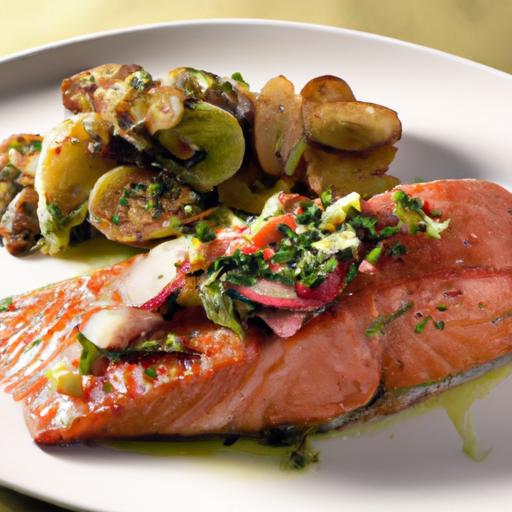
- Garnish with chopped dill or parsley to enhance color contrast and freshness.
Chef’s Notes
- Skin-on fillets are key to locking moisture and achieving crispy texture-if you prefer skinless, keep cooking time slightly shorter to avoid dryness.
- For even cooking, let salmon rest at room temperature 10 minutes before cooking.
- Consider substituting smoked paprika with coriander or cumin for a flavor variation that spices up your salmon secrets.
- Make-ahead tip: Marinate salmon briefly in lemon and oil (max 15 minutes) for enhanced brightness; avoid over-marinating to keep texture intact.
- Using wild-caught salmon will yield a deeper pink hue and richer flavor due to natural astaxanthin content.
Serving Suggestions
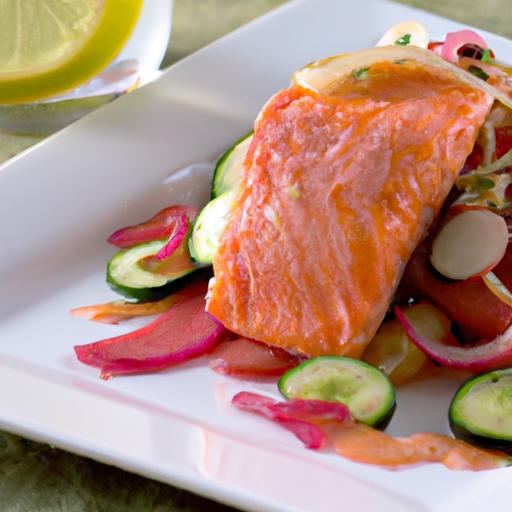
Present your salmon atop a bed of fluffy quinoa or roasted seasonal vegetables. A side of creamy avocado slices or a dollop of Greek yogurt with fresh herbs complements its richness beautifully. Garnish with edible flowers or microgreens for a restaurant-worthy finish. Serve with crisp white wine or sparkling water infused with cucumber and mint for a refreshing balance.

Nutrition at a Glance
| Nutrient | Amount per Serving |
|---|---|
| Calories | 350 kcal |
| Protein | 34 g |
| Carbohydrates | 3 g |
| Fat | 22 g (mostly healthy omega-3s) |
For a deeper dive into sustainable seafood, explore this Marine Stewardship Council guide.
Discover more culinary inspiration and nutritional wisdom in our Healthy Seafood Recipes collection, specially curated to keep your meals flavorful and responsible.
Q&A
Q&A: Salmon Secrets – Exploring Nature’s Pink-Hued Superfish
Q1: Why is salmon frequently enough called a “superfish”?
A: Salmon earns its superfish status thanks to an extraordinary combination of qualities: unbelievable endurance, remarkable nutritional benefits, and a fascinating life cycle. These silvery swimmers brave grueling migrations upstream, exhibit leaps and bounds of strength, and bring to our plates a powerhouse of omega-3 fatty acids, protein, and vitamins – making them true champions of both nature and nutrition.
Q2: What gives salmon its signature pink hue?
A: That captivating pink color comes from astaxanthin, a natural pigment found in the tiny crustaceans and plankton salmon feed on.Astaxanthin isn’t just a color booster – it’s a potent antioxidant believed to support salmon’s health and vitality during their epic journeys. When humans enjoy salmon, they’re also tapping into these antioxidant benefits.Q3: How do salmon navigate thousands of miles back to their birthplace?
A: Salmon possess an uncanny homing instinct, guided by a combination of environmental cues. Scientists believe they use the Earth’s magnetic field as a compass and their finely tuned sense of smell to recognize the unique chemical signature of their home river. It’s nature’s GPS, embedded deep within these pink-hued adventurers.
Q4: What makes wild salmon diffrent from farmed salmon in terms of flavor and nutrition?
A: Wild salmon typically boasts a richer, more complex flavor and firmer texture, thanks to its varied diet and active lifestyle in the open ocean. Nutritionally, wild salmon often contains higher levels of omega-3s and fewer contaminants. Farmed salmon, while more accessible and affordable, may have a milder taste and different color due to controlled diets – yet it remains a nutritious option.
Q5: are there any lesser-known salmon “secrets” that contribute to their ecological importance?
A: Absolutely! When salmon complete their life cycle and return to spawn, their decaying bodies release vital nutrients like nitrogen and phosphorus into freshwater ecosystems. This natural fertilizer nurtures plants, insects, and other wildlife, making salmon key players in maintaining ecological balance. they’re more than just fish – they’re ecosystem engineers.
Q6: How can we ensure salmon populations thrive for generations to come?
A: Protecting salmon means safeguarding their habitats – clean rivers, unobstructed migration routes, and healthy oceans. Supporting sustainable fishing practices, reducing pollution, and restoring spawning grounds all contribute to vibrant salmon runs. By respecting these magnificent fish and their environment, we help secure the future of nature’s pink-hued superfish.
Dive into the world of salmon, and you’ll discover a saga as vibrant and resilient as their rosy flesh – a story of survival, strength, and symbiotic harmony with nature itself.
insights and Conclusions
As the shimmering currents carry the resilient salmon through rivers and seas, these pink-hued superfish continue to captivate scientists and seafood lovers alike. Their journey is more than a tale of survival; it’s a testament to nature’s intricate design-blending strength, nutrition, and an enduring spirit. By uncovering the secrets of the salmon,we not only deepen our appreciation for this remarkable creature but also gain insights into the delicate ecosystems they inhabit. So next time you savor a salmon dish or catch a glimpse of one leaping upstream, remember: you’re witnessing the legacy of a true aquatic marvel, crafted by nature’s secret artistry.