
In teh world of culinary masterpieces, few dishes strike the perfect balance between simplicity and indulgence quite like Japanese tonkatsu. This golden-hued, crispy delight has captivated taste buds across the globe, inviting food lovers on a journey through layers of texture and flavor. Beyond its crunchy exterior and juicy interior lies a rich tapestry of tradition, technique, and cultural nuance that transforms ordinary pork cutlets into an art form. Join us as we uncover the secrets behind tonkatsuS irresistible allure and explore how this humble dish has become a symbol of Japanese culinary craftsmanship.
Exploring the Origins and Cultural Essence of Tonkatsu
Crispy Delight begins with understanding how tonkatsu has transcended its humble beginnings to become a beloved Japanese classic. Originating in the late 19th century during Japan’s Meiji era, tonkatsu was inspired by Western-style breaded and fried cutlets, adapted using succulent pork-a nod to Japan’s evolving culinary landscape. This dish quickly embedded itself in Japanese culture, symbolizing comfort and everyday indulgence, served at bustling eateries and home kitchens alike.
The crispy exterior paired with juicy pork embodies a perfect harmony of texture and flavor, celebrating Japan’s knack for elevating simple ingredients. Being intimately involved in the culinary arts, I recall my first homemade tonkatsu: the satisfying crunch echoed through the kitchen as the aroma filled the air-a moment that sparked my passion to master this crispy delight.
Prep and Cook Time
- Preparation: 15 minutes
- Cooking: 10 minutes
- Total Time: 25 minutes
Yield
Serves 4 hearty portions
Difficulty Level
Medium - requires attention to batter consistency and frying technique
Ingredients
- 4 boneless pork loin chops, about 1-inch thick
- 1 cup all-purpose flour, sifted
- 2 large eggs, beaten
- 2 cups panko breadcrumbs
- Salt and freshly ground black pepper, to taste
- Vegetable oil, for deep frying (about 2-3 inches of oil in the pan)
- Shredded cabbage, for serving
- Tonkatsu sauce, store-bought or homemade
- Lemon wedges, for garnish
Mastering the Perfect Batter and Frying Technique
Achieving the iconic crisp of tonkatsu relies heavily on the finesse of its batter and frying method. Start by seasoning yoru pork chops liberally with salt and freshly ground black pepper. Dust each chop lightly with the sifted flour, shaking off any excess to prevent sogginess. Next, immerse the chops in beaten eggs, ensuring an even coat that will help hold the crunchy panko.
For the panko breadcrumbs, choose high-quality, fresh panko to ensure maximum crunchiness. Press the panko gently but firmly onto the pork, creating an even crust.When frying, heat your vegetable oil to between 340°F and 350°F (170-175°C)-too hot and the crust will burn before the meat cooks through; too cool, and the tonkatsu will absorb oil, becoming greasy.
Deep fry the chops carefully, turning once until golden brown and crispy, roughly 4-5 minutes per side depending on thickness. Transfer to a wire rack or paper towels to drain excess oil without losing crispness. The result? A beautifully golden crust encasing juicy, tender pork-a true crispy delight.
Selecting the ideal Pork Cut for Ultimate Crispiness
Choosing the right cut is paramount to crafting the perfect tonkatsu. Pork loin strikes a stunning balance of tenderness and fat, yielding juicy bites without overwhelming greasiness. For those seeking richer flavor and extra tenderness, pork tenderloin offers a leaner, more delicate option but requires careful frying time to avoid drying out.
Regardless of cut, ensure uniform thickness by gently pounding the meat if necessary. This helps the cutlets cook evenly and maintain structure under the crisp coating. Freshness is key; opt for high-quality, well-marbled pork from trusted sources for the ultimate savory experience that complements the crispy batter.
Essential Accompaniments and Serving Suggestions
A memorable tonkatsu isn’t complete without thoughtful accompaniments. The traditional shredded cabbage provides a refreshing contrast that cuts through the fried richness. Serve the pork on a bed of finely shredded cabbage,drizzled with a squeeze of fresh lemon to add brightness and balance.
Tonkatsu sauce-a sweet and tangy condiment-is your confident partner in flavor, enhancing the savoriness of the pork crust. Homemade variations often combine Worcestershire sauce, ketchup, and soy sauce for a deeply satisfying dip. For a complete meal, pair with steamed rice, miso soup, and pickled vegetables to showcase a harmonious Japanese table.
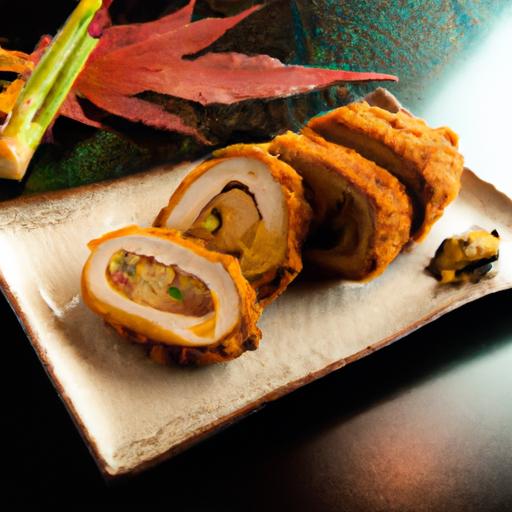
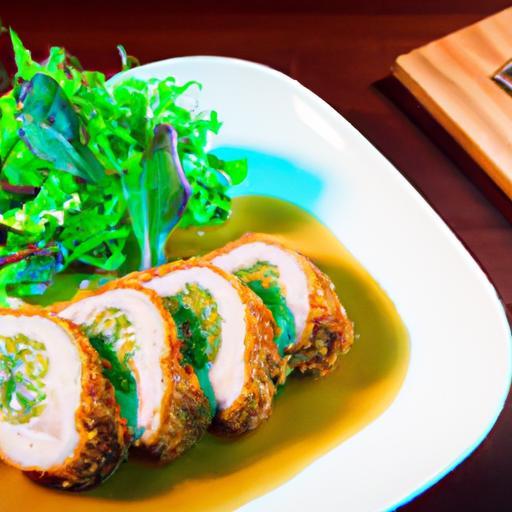
As a finishing touch, sprinkle toasted sesame seeds or garnish with chopped scallions for a subtle yet elegant lift. Visually, the golden tonkatsu with its crisp edges juxtaposed against vibrant greens and radiant lemon wedges makes a plate that’s as inviting to the eye as it is to the palate.
Step-by-Step Instructions
- Prepare the pork: Lightly pound each chop to uniform thickness (about 1-inch). Season both sides with salt and pepper.
- Coat the pork: Dredge each chop in the sifted flour, dusting off any excess.
- Egg wash: Dip the floured pork chops into the beaten eggs, ensuring full coverage.
- Panko crust: Press chops firmly into the panko breadcrumbs, coating evenly on all sides.
- Heat the oil: Fill a deep pan with vegetable oil and heat to 340°F-350°F (170-175°C).
- Fry the chops: Gently place each pork chop in the oil, frying for approximately 4-5 minutes per side, until golden and crispy.
- Drain excess oil: Remove chops and place on a wire rack or paper towels to drain.
- Serve: slice into strips and arrange over shredded cabbage. Drizzle with tonkatsu sauce and garnish with lemon wedges.
Tips for Success
- Maintain oil temperature: Use a thermometer to keep consistent heat for a crunchy,non-greasy crust.
- Panko freshness: Use fresh panko breadcrumbs for the crispiest texture; stale panko tends to absorb oil.
- Make ahead: Prepare the panko-coated pork chops up to 1 hour before frying,covering them in the refrigerator to retain crunch.
- Healthier option: Oven-bake coated chops at 425°F (220°C) for 20 minutes, flipping halfway to maintain crispiness.
- Sauce alternative: Try adding a touch of grated apple to your tonkatsu sauce for natural sweetness and depth.
Serving Suggestions
For an immersive experience, present tonkatsu on a traditional Japanese-style plate with a side of steamed jasmine or sushi rice and miso soup. Add crunchy pickled daikon or carrot salad for texture contrasts.Finish with a sprinkle of fresh shiso leaves or a bowl of Japanese potato salad for creamy coolness.

| Nutrient | Per Serving |
|---|---|
| Calories | 420 kcal |
| Protein | 32 g |
| Carbohydrates | 20 g |
| Fat | 24 g |
For those eager to deepen thier exploration, check out our detailed guide on other japanese fried delicacies. Also, learn more about the science behind frying techniques at the Serious Eats frying guide to perfect your crispy delight every time.
Q&A
Q&A: Crispy Delight - The Art of Japanese Tonkatsu Uncovered
Q1: What exactly is Tonkatsu?
A1: Tonkatsu is a beloved Japanese dish featuring a succulent pork cutlet, breaded with panko breadcrumbs, and deep-fried to golden perfection. The result? A crispy exterior that gives way to tender, juicy meat-a harmony of texture and flavor that epitomizes comfort food in Japan.
Q2: How did Tonkatsu originate?
A2: Tonkatsu’s roots trace back to the Meiji era, when Japan embraced Western culinary influences. Inspired by European breaded and fried cutlets, Japanese chefs adapted the concept with local ingredients and techniques, creating a uniquely Japanese interpretation that quickly became a national favorite.
Q3: What makes the panko breadcrumbs so special in Tonkatsu?
A3: Unlike regular breadcrumbs, panko are airy, flakier, and lighter. Made from crustless white bread, they create an exceptionally crunchy crust when fried. This delicate yet robust texture is crucial to Tonkatsu’s signature “crisp-on-the-outside, juicy-on-the-inside” experience.
Q4: Can anyone make authentic Tonkatsu at home?
A4: Absolutely! With the right ingredients and technique,home cooks can replicate authentic Tonkatsu. The key is in choosing quality pork (typically a tenderloin or loin cut), dredging it in flour, dipping it in egg wash, coating it generously with panko, and frying it just until golden. Patience and oil temperature control are essential to mastering that perfect crunch.
Q5: How is Tonkatsu typically served in Japan?
A5: Tonkatsu often arrives sliced into bite-sized pieces, accompanied by shredded cabbage, a tangy Tonkatsu sauce (a sweet and savory blend akin to Worcestershire sauce), steamed rice, and sometimes a bowl of miso soup. This balanced plate emphasizes freshness and umami, enhancing the dish’s irresistible appeal.
Q6: Are there regional variations of Tonkatsu?
A6: Indeed! While the basic concept remains consistent, some regions put their spin on Tonkatsu.Such as, in Nagoya, you might find ”Miso Katsu,” where the pork cutlet is smothered in a rich, dark miso sauce, adding a deep, earthy flavor dimension to the dish.
Q7: What makes Tonkatsu an enduring favorite worldwide?
A7: Tonkatsu’s charm lies in its simplicity and contrasts-crispy yet tender, hearty yet refined. Its adaptable nature allows it to shine solo or as an accompaniment in sandwiches, curries, and donburi bowls. This versatility, combined with the comforting satisfaction of its textures and flavors, secures its place in hearts far beyond japan’s borders.
Q8: Any tips for savoring Tonkatsu like a pro?
A8: take your time with each bite: let the crispy coating crackle gently against your teeth before delighting in the juicy pork inside. Pair it with the fresh crunch of cabbage and a drizzle of Tonkatsu sauce to balance richness. And if you get the chance, try it alongside traditional Japanese sides for the full culinary journey.
Uncovering the art of Tonkatsu is more than just a culinary lesson-it’s an invitation to experience a delicious tradition crispy enough to captivate and tender enough to comfort.
To Wrap It Up
As the final crumbs of this crispy journey settle, it’s clear that Japanese tonkatsu is far more than just a fried cutlet-it’s a harmonious blend of tradition, technique, and taste that captivates the senses with every crunchy bite. From the careful selection of the pork to the precise frying temperature, each step is an art form that honors both simplicity and detail. Whether enjoyed alongside tangy tonkatsu sauce, nestled in a sandwich, or paired with steaming rice and cabbage, this golden delight continues to charm food lovers around the world. So next time you seek comfort wrapped in a crispy shell, remember that behind every tonkatsu lies a story of craftsmanship worth savoring.