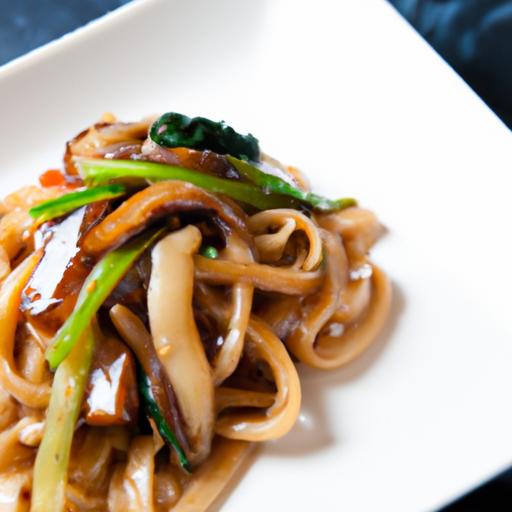
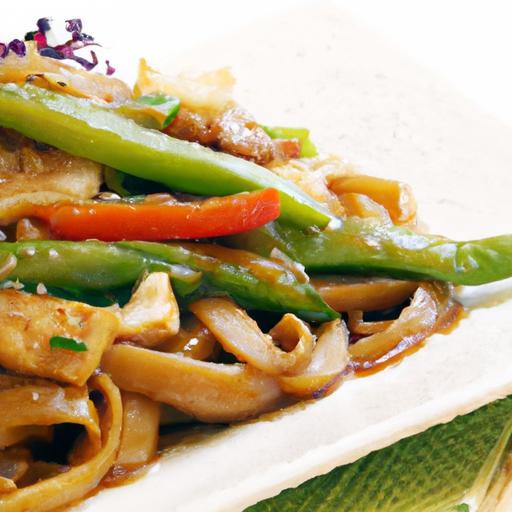

In the vibrant tapestry of Japanese cuisine, few dishes capture the comforting allure of home-cooked flavors quite like yaki udon. This savory stir-fried noodle delight, with its thick, chewy udon strands bathed in a symphony of soy sauce, garlic, and tender vegetables, invites food lovers on a journey beyond the familiar sushi and ramen. Rooted deeply in humble origins, yaki udon weaves tradition and simplicity into every sizzling pan, offering a dish that’s as satisfying as it is versatile. Join us as we dive into the history, ingredients, and mouthwatering appeal of this quintessential Japanese comfort food-savoring every bite of yaki udon’s rich, flavorful story.
Savoring yaki Udon unlocks a lovely journey into one of Japan’s most beloved comfort dishes. Originating in the Fukuoka region on Kyushu Island, Yaki Udon – stir-fried thick wheat noodles – artfully combines simplicity and depth of flavor in every bite. My earliest memories of this dish come from late-night izakaya gatherings where the sizzle of the wok and the fragrant aroma of soy-based sauce filled the air, inviting warmth and conviviality. What makes yaki Udon truly special is how it highlights unique Japanese ingredients and meticulous stir-frying techniques, producing a dish that is thick, chewy, and gloriously savory with just a hint of sweetness and umami.
Prep and Cook Time
- Preparation: 15 minutes
- Cooking: 10 minutes
- Total Time: 25 minutes
Yield
- Serves 4 generous portions
Difficulty Level
- Easy to Medium – perfect for home cooks eager to master stir-frying
Ingredients
- 400g fresh udon noodles (or frozen, thawed)
- 2 tbsp vegetable oil (neutral oil like canola or grapeseed)
- 200g thinly sliced beef, chicken, or tofu (optional)
- 1 medium onion, thinly sliced
- 1 cup cabbage, roughly chopped
- 1/2 cup carrot, julienned
- 2 cloves garlic, finely minced
- 1 tbsp ginger, grated
- 3 tbsp soy sauce (shoyu)
- 1 tbsp mirin (sweet rice wine)
- 1 tsp oyster sauce (optional, for deep umami)
- 1 tsp toasted sesame oil
- Freshly ground black pepper, to taste
- 2 green onions, sliced thinly for garnish
- Shichimi togarashi (Japanese chili pepper), optional for heat
instructions
- Prepare the noodles: If using fresh udon, loosen them gently under warm water and drain well. For frozen, thaw in warm water, then drain thoroughly. This prevents clumping during stir-fry.
- Heat the wok or large skillet: Add the vegetable oil and warm it over medium-high heat until shimmering but not smoking.
- Sauté aromatics and protein: Add the minced garlic and grated ginger; stir-fry for 30 seconds until fragrant. Add your chosen protein (beef, chicken, or tofu) and cook until just browned, about 3-4 minutes, stirring to avoid sticking.
- Add vegetables: Toss in sliced onions, cabbage, and carrots. Stir-fry for about 3-4 minutes until the veggies become tender-crisp, preserving their luminous colors and crunch.
- Incorporate the noodles: Add the prepared udon noodles directly into the wok. Use tongs or chopsticks to gently break apart any clumps and mix with the veggies and protein evenly.
- Season expertly: Pour in soy sauce, mirin, and oyster sauce. Stir quickly but gently to coat every strand and morsel, letting the sauce thicken slightly and caramelize on the noodles’ surface for that irresistible glaze.
- Finish with flavor: drizzle the toasted sesame oil and crack fresh black pepper over the top. Toss a final time for even distribution. Remove from heat.
- Plate and garnish: Serve hot,sprinkled generously with sliced green onions and optional shichimi togarashi for those who love a hint of spice.
Tips for Success: Mastering the Stir-Fry
- Use a wok or heavy skillet to achieve high heat distribution; this helps develop the coveted wok hei (breath of the wok) – that subtle smoky flavor.
- Don’t overcrowd the pan; stir-fry in batches if necessary to keep the ingredients sizzling and avoid steaming.
- Loosen noodles gently before cooking to avoid clumps; cold noodles won’t absorb seasoning as well or stir-fry evenly.
- Customize your vegetables: add shiitake mushrooms for earthy depth, bean sprouts for crunch, or bell peppers for sweetness.
- Make it vegetarian: substitute oyster sauce with mushroom soy sauce or homemade umami-rich broth.
- Prep all ingredients first; cooking goes fast, and having everything ready ensures a smooth, flavorful stir-fry.
Serving Suggestions
Yaki Udon comes alive when paired with simple, authentic Japanese sides and beverages.Try serving with a crisp sunomono cucumber salad, drizzled in rice vinegar dressing to balance the noodles’ savory richness. Miso soup complements this dish perfectly, adding warmth and depth.For drinks, an ice-cold glass of sake or a light, refreshing Japanese beer such as Asahi or Sapporo pairs beautifully, cutting through the umami and enhancing the meal’s fun, casual atmosphere. Garnish the Yaki Udon with a sprinkle of toasted sesame seeds or fresh nori shreds for visual contrast and extra aroma.

| Nutrient | per Serving |
|---|---|
| Calories | 380 kcal |
| Protein | 18 g |
| Carbohydrates | 52 g |
| Fat | 9 g |
For an in-depth exploration of traditional Japanese stir-fry methods, check out our Mastering Japanese Stir-Fry Techniques guide. learn more about udon noodles and their history on Japan Guide, a trusted resource on Japanese cuisine and culture.
Q&A
Q&A: Savoring Yaki Udon – Japan’s Flavorful Stir-Fried Noodle Delight
Q1: What exactly is Yaki Udon?
A1: Yaki Udon is a beloved Japanese dish featuring thick,chewy udon noodles stir-fried to perfection with a savory blend of soy sauce,vegetables,and frequently enough tender slices of meat or seafood. Unlike its thinner cousin yakisoba, Yaki Udon’s noodles have a delightfully smooth texture that absorbs flavors beautifully, making every bite a comforting experience.
Q2: How did yaki Udon come to be a staple in Japanese cuisine?
A2: Originating from the Fukuoka region on Japan’s southern island of Kyushu, Yaki Udon was born from the inventive spirit of street food vendors eager to create a speedy, satisfying, and hearty dish. Its rise in popularity stems from its adaptability and comforting home-style vibe, quickly spreading across Japan and winning hearts beyond the land of the rising sun.
Q3: What are the key ingredients that define Yaki Udon?
A3: At its core, Yaki Udon combines thick udon noodles, a medley of fresh vegetables like cabbage, carrots, and green onions, and a rich, savory sauce often based on soy sauce and mirin. Protein choices range from pork and chicken to shrimp or tofu,allowing for delightful variations that cater to diverse palates.
Q4: How does the cooking technique affect Yaki Udon’s flavor and texture?
A4: The magic lies in the wok or skillet,where high heat and quick,skillful stir-frying bring ingredients together in a symphony of textures and tastes.The noodles caramelize slightly, veggies retain their crisp freshness, and the sauce clings to every strand, creating a dish that’s both hearty and harmoniously balanced.Q5: Can Yaki udon be adapted for vegetarian or vegan diets?
A5: Absolutely! by swapping out meat for mushrooms, tofu, or plant-based proteins and ensuring the sauce is free from fish-based ingredients like dashi, Yaki Udon transforms gracefully into a vegan-friendly delight without sacrificing any of its signature umami punch.
Q6: How can one best enjoy yaki Udon at home?
A6: For the truest taste, start with fresh udon noodles and fire up a trusty wok or large pan. Keep your veggies crisp, your sauce balanced between salty and sweet, and don’t be afraid to experiment with toppings such as a sprinkle of toasted sesame seeds, a dash of chili flakes, or a drizzle of Japanese mayo. Pair it with a cold glass of green tea or sake for an authentically satisfying meal.
Q7: What makes Yaki Udon stand out among other Japanese noodle dishes?
A7: Its charm lies in simplicity and texture-the thick udon noodles offer a significant chew that contrasts beautifully with the crisp vegetables and savory sauce. Unlike ramen or soba,which focus on broths or nutty buckwheat flavors,Yaki Udon delivers a straightforward,cozy stir-fried experience that feels like a warm hug on a plate.
Q8: Where can food lovers experience the best Yaki Udon outside of Japan?
A8: Many Japanese and Asian fusion restaurants worldwide feature Yaki Udon on their menus, especially those focusing on izakaya-style dining or street food concepts. Exploring local Japanese markets or communities can also lead to authentic homemade Yaki Udon experiences crafted with familial tradition and passion.
Savoring Yaki Udon invites food adventurers to indulge in a dish that’s both humble and richly flavorful-an ode to Japan’s culinary creativity and comfort food mastery. Whether at a bustling street stall or your own kitchen stove, Yaki Udon promises delight in every mouthful.
To Wrap It Up
As the last savory strands of yaki udon disappear from your plate,you’re left with more than just a satisfied appetite-you carry a taste of Japan’s culinary spirit. This humble stir-fried noodle dish, with its harmonious blend of chewy udon, vibrant vegetables, and savory sauces, invites you to experience the heart of Japanese comfort food. Whether enjoyed at a bustling street stall or crafted in your own kitchen, savoring yaki udon is a delicious reminder that sometimes, the simplest ingredients come together to create the most unforgettable flavors. So next time you seek a warm, fulfilling meal, let yaki udon be your flavorful journey into Japan’s rich food culture.