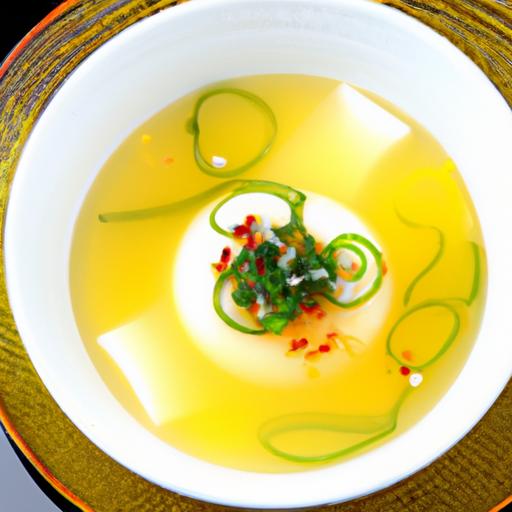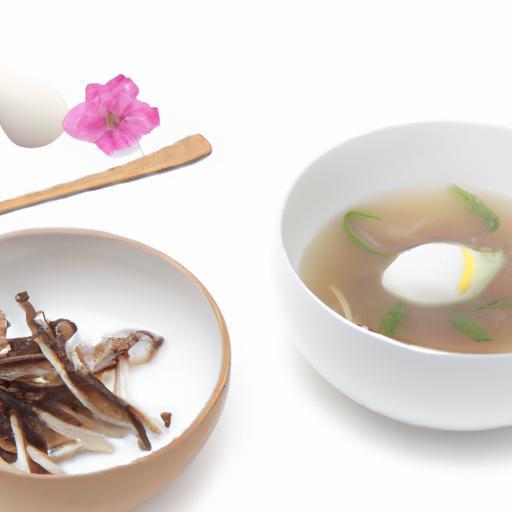

In the heart of Japan’s rich culinary heritage lies a humble yet enchanting bowl that has warmed countless souls across generations-Kakitama-Jiru, the silky egg drop soup that dances between simplicity and elegance. Wiht its delicate ribbons of beaten egg swirling effortlessly in a clear, savory broth, this conventional dish transcends mere comfort food, offering a glimpse into Japan’s refined approach too everyday nourishment. In this article, we’ll unravel the art and history behind Kakitama-Jiru, exploring how this unassuming soup embodies the nation’s deep respect for balance, texture, and subtle flavor. Join us as we dive into the silky depths of Japan’s cherished egg drop soup tradition.
kakitama-Jiru is a Japanese culinary gem that captivates with its delicate, silky egg ribbons swirling through a light, savory broth. Originating from humble home kitchens, this soup has long been cherished for its comforting warmth and artful simplicity. Drawing on a tradition that celebrates subtle flavors, kakitama-jiru embodies the essence of japanese cooking: elegance in restraint. As a food stylist and content creator, I find the mesmerizing strands of egg floating in aromatic broth to be as visually enchanting as they are tasty-a true feast for both the eyes and palate.
Prep and Cook Time
- Prep Time: 10 minutes
- Cook Time: 15 minutes
- total Time: 25 minutes
Yield
Serves 4 comfortably
Difficulty Level
Easy
Essential Ingredients and Flavor pairings for an Authentic Kakitama Experience
- 4 large eggs, whisked gently
- 4 cups dashi stock (homemade or high-quality instant)
- 2 tablespoons soy sauce, preferably light soy for subtlety
- 1 tablespoon mirin (sweet cooking rice wine)
- 1 teaspoon white miso paste (optional, for extra depth)
- 2 green onions, finely sliced for garnish
- A pinch of salt
- Freshly grated ginger (optional, to brighten the broth)
step by Step Guide to Perfecting Kakitama Jiru at Home
- Prepare the broth: In a medium pot, gently warm the dashi stock over medium heat. Add soy sauce, mirin, and miso paste (if using), stirring until dissolved. Keep the broth hot but avoid boiling to preserve nuanced flavors.
- Whisk the eggs: Crack the eggs into a mixing bowl and lightly beat with chopsticks or a fork until yolks and whites just combine, taking care not to overmix which keeps ribbons tender.
- Create silky egg ribbons: Reduce heat to low. Stir the broth gently in one direction with a ladle or chopstick.Slowly drizzle the beaten eggs in a thin stream into the swirled broth. This motion creates the signature soft, featherlike egg strands.
- Let it rest: Allow the soup to sit for about 30 seconds,letting the egg ribbons set naturally. Avoid stirring further to maintain the gorgeous ribbons.
- Season and finish: Taste the broth and adjust with a pinch of salt or more soy sauce as needed. Optionally, stir in freshly grated ginger for a subtle kick.
- Garnish and serve: Ladle soup into warm bowls and sprinkle with finely sliced green onions for freshness and a pop of color. Serve instantly.
Chef’s Notes: Tips for Success
- Egg texture: Use fresh, room-temperature eggs for the silkiest ribbons.
- Broth quality: A well-made dashi is essential, as it forms the foundation of flavor. Instant powder works in a pinch but homemade stock elevates the soup.
- Ribbon formation: Pour eggs slowly and steadily over a gentle swirl in the broth; practice makes perfect!
- Make-ahead: prepare dashi and seasonings in advance. Eggs should be whisked just before cooking.
- Variations: Incorporate thinly sliced mushrooms or baby spinach for added texture and nutrition without conflicting with the egg ribbons.
- Serving size: Best enjoyed fresh; egg ribbons tend to lose softness upon reheating.
Serving Suggestions
Present kakitama-jiru in rustic Japanese ceramic bowls to highlight the contrasting golden ribbons against the golden broth. Accompany with steamed rice and lightly pickled vegetables to create a balanced, authentic meal.For visual appeal, garnish with a sprinkle of shichimi togarashi for heat or toasted sesame seeds for earthiness. This soup is perfect as a delicate starter or soothing light meal.
| Nutrient | Per Serving |
|---|---|
| Calories | 110 kcal |
| Protein | 7 g |
| Carbohydrates | 4 g |
| Fat | 7 g |

For further reading on Japanese broths and dashi preparation, see our comprehensive guide to dashi stock. Also, explore the cultural roots of Japanese traditional soups for a deeper appreciation of this enduring tradition.
Q&A
Q&A: Kakitama-Jiru - Japan’s Silky Egg drop Soup Tradition Explained
Q1: What exactly is Kakitama-Jiru?
A1: Kakitama-Jiru is a traditional Japanese soup celebrated for its delicate, silky texture created by softly beaten eggs poured into a clear broth. The name literally means “scrambled egg soup,” but don’t let that simple title fool you-this humble dish embodies elegance in its smooth, flowing egg ribbons and subtle flavors.
Q2: How does Kakitama-jiru differ from Western-style egg drop soup?
A2: While both use eggs gently wisped into hot broth, Kakitama-Jiru typically emphasizes clarity and refinement. The broth is often a light dashi-a savory stock made from marine ingredients like kombu seaweed and bonito flakes-resulting in a milder, umami-rich base. the eggs are beaten just right to create tender, silky threads rather than the more aggressively stirred curds common in Western versions.Q3: what ingredients make Kakitama-Jiru distinctively Japanese?
A3: The cornerstone is the dashi broth, crafted from kombu and katsuobushi (dried bonito flakes), which imparts that signature umami essence. Alongside the eggs, subtle seasonings such as soy sauce or mirin enhance without overpowering. Sometimes seasonal vegetables or tofu join the party, adding texture and depth while keeping the soup light and refreshing.
Q4: Is Kakitama-Jiru served on special occasions or everyday meals?
A4: This soup embodies Japanese comfort food-both an everyday staple and a gentle celebratory dish. It’s often enjoyed in home kitchens for its quick preparation and soothing qualities, especially during cooler months or when someone seeks a nourishing, delicate meal. Its simplicity and elegance make it a go-to for both weekday dinners and more traditional Japanese feasts.
Q5: Can I make Kakitama-Jiru at home? What should I watch out for?
A5: Absolutely! The trick lies in mastering the egg pour. Beat your eggs lightly, bring the dashi broth to a gentle simmer (not a rolling boil), then slowly drizzle the eggs while stirring or letting them form soft ribbons. Avoid boiling vigorously, which can make the eggs rubbery or break apart into curds. Fresh eggs and a quality dashi are your secret weapons for silky perfection.
Q6: How does Kakitama-Jiru reflect Japanese culinary philosophy?
A6: The soup showcases the Japanese ethos of balance and subtlety-where the quality of each ingredient shines through with minimal interference. It’s a festivity of seasonality,seasonings that awaken rather than mask,and textures that comfort. Through Kakitama-Jiru, you taste the harmony between simplicity and sophistication that defines much of Japan’s food culture.
Q7: Are there regional variations of Kakitama-Jiru within Japan?
A7: Yes! Like many Japanese dishes, local tweaks emerge across regions. Some areas might incorporate local vegetables, mushrooms, or seafood, while others might enrich the broth with miso or add a sprinkle of fresh herbs like mitsuba.these variations highlight the adaptability of Kakitama-Jiru to Japan’s diverse culinary landscape while preserving its core essence.
Enjoy a bowl of Kakitama-Jiru to experience Japan’s silky elegance – where humble eggs and delicate broth unite to soothe the soul.
The way Forward
as we’ve unraveled the delicate dance of textures and flavors within Kakitama-Jiru, it becomes clear that this humble egg drop soup is much more than a simple dish-it’s a silky thread woven into the rich tapestry of japan’s culinary heritage. Whether sipped quietly on a chilly evening or shared among friends as a comfort food,Kakitama-Jiru embodies the elegance of simplicity,showing us how a few humble ingredients can create something truly transcendent. So next time you crave a bowl of warmth and tradition,remember this gentle soup’s legacy,and let its smooth,tender ribbons of egg carry you on a serene journey through Japan’s timeless kitchen craft.