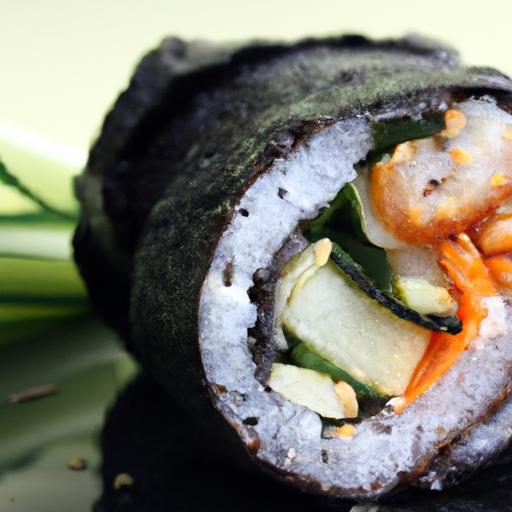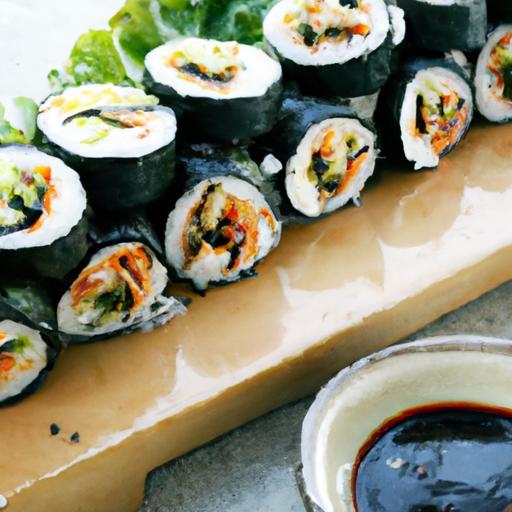

beneath the glossy, emerald sheets of seaweed lies a culinary treasure that captures the heart and history of Korea-gimbap. frequently enough mistaken for its Japanese cousin, sushi, gimbap unravels a unique story of flavors, culture, and tradition wrapped tightly in rice, vegetables, and savory fillings. This iconic Korean seaweed roll is more than just a portable snack; it’s a vibrant mosaic of ingredients and memories,served at picnics,street markets,and family gatherings alike. Join us as we roll into the colorful world of gimbap, uncovering its origins, varieties, and the simple joys that make it a beloved staple across Korea and beyond.
The History and Cultural Meaning of Gimbap
Gimbap, a beloved Korean delicacy, carries not only vibrant flavors but a rich cultural narrative that spans generations. Originating in the early 20th century, gimbap was inspired by Japan’s sushi rolls yet quickly evolved into a distinct Korean staple. Traditionally enjoyed as a portable, nutritious meal during picnics or travels, gimbap’s layers reflect Korea’s ingenious blend of taste and practicality.Each bite weaves together stories of family gatherings, street vendors, and festive occasions, making it more than just food-it’s a symbol of comfort and community.
Essential Ingredients That Bring gimbap to Life
At the heart of every gimbap are a handful of simple yet vibrant ingredients that transform the roll into a harmonious mosaic of flavors and textures. The glossy sheets of seaweed cradle perfectly steamed white rice, seasoned lightly with sesame oil and salt for a subtle nuttiness.Classic fillings include crisp julienned carrots,savory spinach seasoned with garlic and sesame,and yellow pickled radish,imparting a sweet tang. Protein options,such as delicate egg strips or tender beef bulgogi,add depth – but the magic lies in combining fresh,well-prepared components that balance one another beautifully.
Mastering the Art of Rolling Perfect Gimbap
Creating picture-perfect gimbap requires both technique and patience. Begin with a bamboo mat covered in plastic wrap to prevent sticking. Spread an even,thin layer of rice over the seaweed,leaving about an inch bare at the top edge to seal your roll securely. Layer your fillings neatly to ensure each slice bursts with color and flavor. As you roll, apply gentle, even pressure, coaxing the ingredients into a tight bundle that holds its shape. A sharp knife dipped in water ensures clean, crisp cuts, revealing the vibrant cross-section that makes gimbap so visually captivating.
Top Spots and Homemade Tips for Authentic Gimbap experience
Explore local markets in Seoul’s bustling streets like Gwangjang or Mangwon to savor traditional gimbap variants from expert vendors.These spots offer fresh, diverse fillings frequently enough hard to replicate at home, such as spicy squid or cheese-filled rolls. However, mastering the homemade gimbap experience is deeply rewarding. Experiment with seasonal vegetables, swap proteins for vegan alternatives, or enrich rice with a hint of plum extract for a unique twist. When preparing, use freshly toasted seaweed and keep rice moist but never soggy to maintain perfect texture.Pair your rolls with a side of tangy kimchi or dipping soy sauce for an elevated tasting journey.
Prep and cook Time
- Preparation: 25 minutes
- Cooking: 15 minutes
- Total: 40 minutes
Yield
Serves 4-5 (about 8 rolls)
Difficulty Level
Medium - requires some skill in rolling and ingredient prep
Ingredients
- 5 sheets roasted seaweed (gim), full size
- 3 cups short-grain white rice, cooked and slightly warm
- 1 tbsp toasted sesame oil, plus more for seasoning
- 1 tsp salt
- 4 large eggs, beaten and cooked into thin omelette strips
- 1 medium carrot, julienned and lightly sautéed
- 2 cups spinach, blanched, squeezed dry, and seasoned with 1 tsp sesame oil and pinch of salt
- 5 sticks pickled yellow radish (danmuji), sliced lengthwise
- 150 g cooked beef bulgogi or cooked tofu, sliced thinly (optional)
- 1 tbsp vegetable oil for sautéing
Instructions
- Prepare the rice: In a large bowl, gently mix hot cooked rice with sesame oil and salt. Cover and keep warm.
- Make egg strips: Pour beaten eggs into a lightly oiled non-stick pan.cook over medium heat until fully set. Cut into thin strips and set aside.
- Sauté carrots: Heat vegetable oil in a pan, add julienned carrots, and cook until tender but still vibrant (approx. 3 minutes). Remove and cool.
- Prepare spinach: Blanch spinach in boiling water for 30 seconds, drain, squeeze out excess water, then season with sesame oil and salt.
- Lay seaweed: Place one seaweed sheet shiny side down on a bamboo rolling mat lined with plastic wrap.
- Spread rice: using wet hands, evenly spread a thin layer of rice over the seaweed, leaving about 1-inch at the top edge free of rice.
- Arrange fillings: Layer egg strips, carrots, spinach, pickled radish, and beef (or tofu) in a line about an inch from the bottom edge.
- Roll tightly: Lift the edge closest to you and roll firmly but gently using the bamboo mat, pressing as you go. Seal the edge with a little water.
- Slice rolls: Using a sharp, wet knife, slice the roll into 1-inch thick pieces.
- Repeat: Continue with remaining seaweed sheets and ingredients.
- Serve: Arrange sliced gimbap on a plate, garnished with sesame seeds or a drizzle of sesame oil if desired.
Tips for Success
- Keep your hands damp while handling rice to prevent sticking.
- Use fresh,high-quality seaweed sheets for crisp texture and flavor.
- Don’t overload fillings; balance ensures each slice is neat and easy to eat.
- Try choice fillings like crab sticks, avocado, or kimchi for creative twists.
- Make gimbap ahead and store in airtight containers, but enjoy within a day for best texture.
Serving Suggestions
Present your colorful rolls on a wooden board or traditional Korean pottery. Accompany with a small dish of soy sauce mixed with a touch of wasabi or a side of freshly made kimchi to complement the fresh flavors. Garnish with toasted sesame seeds, thinly sliced scallions, or a sprinkle of chili flakes for visual appeal and an added kick. Gimbap pairs wonderfully with warm barley tea or a light,crisp beer for an authentic dining experience.
| Nutrient | Per Serving (2 rolls) |
|---|---|
| Calories | 320 kcal |
| Protein | 12 g |
| Carbohydrates | 45 g |
| Fat | 7 g |

For a deeper dive into Korean cuisine, check our Ultimate Korean BBQ Guide and explore authentic flavors at home. Learn more about the cultural roots of gimbap at Korea.net.
Q&A
Q&A: Gimbap Unrolled – Discover Korea’s Iconic Seaweed Rolls
Q1: What exactly is gimbap?
A1: Gimbap (or kimbap) is Korea’s beloved seaweed rice roll-a vibrant, handheld feast wrapped in roasted seaweed, packed with seasoned rice and a colorful medley of fillings like vegetables, eggs, and frequently enough savory proteins. Think of it as Korea’s answer to sushi, but with its own unique flair and flavors.
Q2: How did gimbap become a Korean staple?
A2: Gimbap’s roots trace back to the early 20th century when Japanese sushi influences met korean tastes. But over time, Koreans transformed it into something distinctly their own-an easy, portable meal perfect for picnics, markets, and lunchboxes. Its rise to iconic status comes from its appetizing simplicity, versatility, and cultural symbolism as a communal, shareable food.
Q3: What are the key ingredients that make gimbap special?
A3: At its core, gimbap features perfectly cooked short-grain rice seasoned lightly with sesame oil and salt, wrapped in crisp sheets of gim (roasted seaweed). Fillings are where creativity blooms: crunchy carrots, vibrant spinach, tangy pickled radish (danmuji), strips of egg omelette, and sometimes meat or fish.This harmonious balance of textures and tastes is what makes gimbap irresistibly satisfying.
Q4: How does gimbap differ from Japanese sushi rolls?
A4: While sushi often highlights raw fish and vinegared rice, gimbap tends to use cooked ingredients and sesame oil-seasoned rice without vinegar, creating a nuttier, heartier flavor profile. Moreover, gimbap fillings are usually more diverse and cooked, reflecting Korean home-cooking traditions rather than raw seafood focus.
Q5: Can gimbap accommodate dietary preferences or restrictions?
A5: Absolutely! Gimbap is incredibly adaptable. Vegetarian versions spotlight marinated tofu, mushrooms, or extra veggies.Meat lovers savor bulgogi-stuffed rolls. Even vegan gimbap is popular, using ingredients like spinach, pickled radish, and carrots, making it a genuinely inclusive dish.
Q6: What’s the best way to enjoy gimbap?
A6: Gimbap shines at picnics, street food stalls, or lunchboxes-an anytime snack or meal. It’s typically sliced into bite-sized rounds, making it easy to share and savor bite by bite. pair it with a dipping sauce like soy sauce or spicy mustard, and enjoy it alongside a cup of comforting Korean tea or a refreshing soda for the full experience.
Q7: Are there regional twists or variations of gimbap?
A7: Definitely! Coastal regions might feature fresh seafood, while some versions lean heavily into spicy gochujang (red chili paste) marinades. There’s also “mayak gimbap” (literally “addictive gimbap”), tiny rolls packed with simple fillings that are famously hard to stop eating. Each variation reflects Korea’s rich culinary landscape.
Q8: Why is gimbap more than just food to Koreans?
A8: Gimbap is woven into the fabric of Korean culture-not just a meal but a symbol of togetherness.Rolling and sharing gimbap is a communal activity, a gesture of care and hospitality. It evokes memories of family gatherings, school lunches, and joyful outings, making it a comforting, timeless icon.
Unraveling the layers of Korea’s iconic seaweed rolls reveals more than just a snack-it’s a flavorful journey through history, culture, and communal joy. Whether you’re a curious foodie or a seasoned K-food lover, gimbap invites you to take a delicious bite of Korea’s heart and soul.
To Conclude
As the final grain of rice settles and the last slice of gimbap is savored,we see that this humble seaweed roll is far more than a simple snack-it’s a vibrant tapestry of Korean history,culture,and creativity wrapped in every bite. Whether enjoyed as a quick lunch, a picnic favorite, or a culinary adventure at home, gimbap invites us to explore the flavors, stories, and spirit of Korea. So next time you unwrap that glossy roll, remember you’re tasting a tradition that connects past and present, simplicity and artistry, all rolled into one iconic delight.