
In teh vibrant tapestry of Korean cuisine, few dishes capture the heart adn palate quite like Jjajangbap-a comforting bowl of steamy rice cloaked in a rich, velvety black bean sauce.This beloved culinary treasure, often overshadowed by its more famous cousin Jjajangmyeon, offers a unique harmony of bold flavors and satisfying textures that invite both curiosity and crave. As we delve into the story and secrets behind this black bean rice delight, prepare to uncover how tradition meets taste in every savory spoonful, making Jjajangbap a must-savor dish that continues to enchant food lovers around the world.
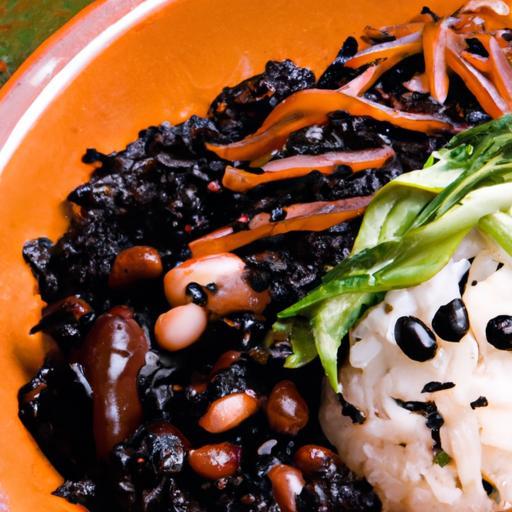
Savoring Korean Jjajangbap captures the essence of Korea’s culinary ingenuity where hearty, savory black bean sauce harmoniously embraces tender pork and fresh vegetables atop fluffy rice.This beloved comfort food, with roots tracing back to Chinese-Korean fusion, boasts a bold and deeply satisfying flavor profile that invites both novice and seasoned cooks into a rich sensory journey. From its humble street food origins to refined interpretations in modern kitchens, every bite offers a symphony of umami and soul-warming goodness.
Prep and Cook Time
- Preparation: 15 minutes
- Cooking: 25 minutes
- Total Time: 40 minutes
Yield
Serves 4 hearty portions
Difficulty Level
Medium – perfect for adventurous home cooks ready to master Korean flavors
Ingredients
- 1/2 cup Korean black bean paste (chunjang)
- 2 tablespoons vegetable oil
- 1/2 pound pork shoulder, diced into 1/2-inch cubes
- 1 medium onion, finely chopped
- 1 medium zucchini, diced
- 1 medium potato, peeled and diced
- 1 cup cabbage, chopped
- 2 cloves garlic, minced
- 1 tablespoon sugar (balances saltiness)
- 1 1/2 cups water or chicken broth
- 2 teaspoons cornstarch, dissolved in 3 tablespoons water
- 4 cups steamed white rice, for serving
- Optional garnish: thinly sliced cucumber, sesame seeds, chopped scallions
Instructions
- Prepare the sauce base: Heat vegetable oil in a large skillet over medium heat. Add the Korean black bean paste (chunjang) and sauté gently for 2-3 minutes until fragrant and slightly toasted. This step deepens the flavor. Stir continuously to prevent burning.
- Cook the pork: Add the diced pork shoulder to the pan and cook until it starts browning,about 5 minutes. Stir frequently to ensure even cooking and browning.
- Add vegetables and garlic: Incorporate the chopped onion, zucchini, potato, cabbage, and minced garlic. Sauté until the onion turns translucent and vegetables start softening, about 7 minutes.
- Sweeten and simmer: Sprinkle sugar over the mixture and stir well. Pour in the water or chicken broth, letting it come to a gentle boil. Reduce heat and simmer for 10 minutes, allowing flavors to meld and veggies to become tender.
- Thicken the sauce: Slowly stir in the cornstarch slurry, stirring continuously until the sauce thickens to a glossy, velvety consistency-about 2 minutes.
- Plate and garnish: Serve the chicken stew hot over bowls of steamed white rice. Garnish with thin cucumber slices, a sprinkle of sesame seeds, and fresh scallions for a crisp contrast.
Tips for Success When Savoring Korean Jjajangbap
- Black bean paste quality: Use authentic Korean chunjang from a reputable Korean market to achieve the signature savory depth.
- Balancing flavors: The sugar is essential to tame bitterness and amplify umami-adjust up to 1 1/2 tablespoons based on your taste preference.
- Vegetable variations: Feel free to add mushrooms or carrots to enhance texture and layers of flavor.
- Make-ahead: The sauce keeps well in the refrigerator for up to 3 days-reheat gently and add a splash of broth if it thickens too much.
- Protein swaps: Chicken or tofu can be delicious alternatives if you prefer to switch from pork.
Serving Suggestions
For an authentic and vibrant presentation, mound steaming white rice in shallow bowls, ladle the glossy black bean sauce generously on top, and sprinkle with freshly toasted sesame seeds and thin cucumber ribbons for crunch and freshness. Pair this dish with traditional Korean side dishes like kimchi or pickled radish for balanced texture contrasts and to awaken your palate.
| nutrient | Per Serving |
|---|---|
| Calories | 420 kcal |
| Protein | 24 g |
| Carbohydrates | 45 g |
| Fat | 12 g |

The Bold Flavors and local Favorites of Savoring Korean Jjajangbap
Discovering the essence of this dish goes beyond the kitchen.`Savoring Korean Jjajangbap` is a journey full of tradition and innovation, best experienced at iconic eateries in Seoul such as “Hong Kong Banjeom” and “Andongjang” which preserve the authentic taste perfected over decades. For an immersive dive into the history and cultural backdrop of this dish, visit Wikipedia’s comprehensive article on Korean-Chinese cuisine. For more recipes like this, check out our Korean Food Recipes page.
Q&A
Q&A: Savoring Korean Jjajangbap - the Black Bean Rice Delight
Q1: What exactly is Jjajangbap?
A1: Jjajangbap is a beloved Korean dish featuring fluffy white rice generously topped with a rich, savory black bean sauce. This sauce, known as jjajang, is made primarily from chunjang-a fermented black soybean paste-stir-fried with diced pork, onions, and sometimes vegetables like zucchini or potatoes. The result is a comforting, hearty meal that’s both flavorful and satisfying.
Q2: How did Jjajangbap originate?
A2: Jjajangbap traces its roots back to Korean-Chinese cuisine, inspired by a Chinese dish called Zhajiangmian (fried sauce noodles). Migrants adapted the recipe to local tastes and ingredients, swapping noodles for rice to create a unique Korean twist. Over time, it became a popular home-cooked meal and street food favorite in South Korea.
Q3: what makes the black bean sauce so special?
A3: The magic lies in chunjang, the black bean paste that forms the sauce’s bold, umami-rich backbone. When stir-fried with pork and vegetables and simmered to a thick, luscious consistency, the paste transforms into a deep, savory sauce with a faint sweetness and subtle bitterness. This balance is what makes jjajangbap irresistibly delicious.
Q4: Can Jjajangbap be customized?
A4: Absolutely! While the traditional recipe highlights pork and onions, many variations exist. Some prefer seafood like shrimp or squid; others add extra vegetables or tofu for a vegetarian twist. Sweet potato noodles or rice cakes sometimes accompany the sauce, adding texture and variety. The beauty of jjajangbap lies in its flexibility-you can tailor it to your palate.
Q5: How is Jjajangbap typically enjoyed?
A5: Jjajangbap is usually served steaming hot in a bowl, with a side of crunchy cucumber slices or kimchi to cut through the richness. Diners mix the black bean sauce thoroughly with the rice to coat every grain in flavor. It’s a soulful meal, perfect for cozy dinners or quick lunches, embodying comfort Korean-style.
Q6: Are there any tips to perfecting Jjajangbap at home?
A6: For a sumptuous jjajangbap, ensure your black bean paste is well-fried before adding water-the frying step deepens the flavor and removes any raw bitterness. Using fresh pork belly or shoulder adds richness, and don’t skimp on caramelizing the onions. Serve promptly to enjoy the contrast between crisp veggies and warm, savory sauce.
Q7: Where can travelers experience authentic Jjajangbap in Korea?
A7: From humble street stalls in Seoul’s bustling markets to cozy family-run restaurants in Busan, authentic jjajangbap is ubiquitous. Try neighborhoods like Myeongdong or Hongdae for trendy takes, or venture to smaller eateries near university areas for homestyle warmth. Each spot offers a slightly different spin,making every bite an adventure.
Discovering jjajangbap is like uncovering a delicious secret: a humble, black bean rice dish that captures Korean heart and history in every spoonful.
Wrapping Up
As the rich,savory notes of jjajangbap linger on your palate,you come to appreciate more than just a meal-you’ve experienced a cultural tapestry woven from centuries of culinary tradition. This humble black bean rice dish, with its deep flavors and comforting textures, invites you to pause, savor, and connect with the heart of Korean home cooking. Whether your a seasoned foodie or a curious newcomer, embracing jjajangbap is an invitation to explore the stories behind every spoonful and celebrate the joy found in simple, soulful flavors. So next time hunger calls,let jjajangbap be your delicious gateway to Korea’s rich gastronomic heritage.