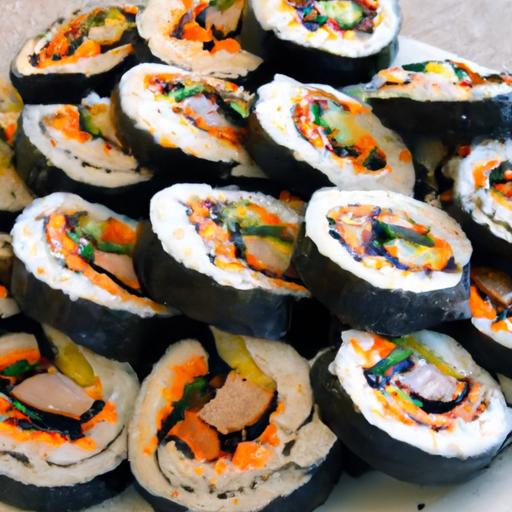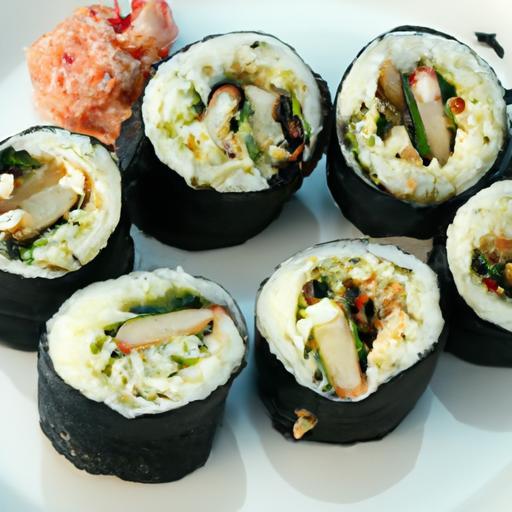

In teh vibrant tapestry of Korean cuisine, few snacks capture the perfect harmony of simplicity and flavor quite like mayak Gimbap. These bite-sized rolls, often described as addictive or “mayak” – meaning “drug” in Korean for their irresistible appeal – are small parcels packed with a symphony of tastes and textures that delight the palate. Whether enjoyed as a rapid street food treat or a flavorful appetizer, Mayak Gimbap offers a deliciously compact experience that invites you to savor every flavorful bite. Join us as we unwrap the story behind these captivating rolls and explore what makes them a beloved culinary gem bursting with flavor.
Korean Mayak Gimbap holds a special place in the heart of Korean cuisine-a small, flavorful bite that captivates with its addictive taste and charming simplicity. Frequently enough enjoyed as a popular street food or a party snack,these petite rolls originated in the bustling food stalls of South Korea,where vendors crafted an irresistible combination of vinegared rice,crisp vegetables,and savory fillings wrapped flawlessly in silky sheets of roasted seaweed. The name “Mayak,” meaning “drug” in Korean, hints at how tempting and habit-forming this dish truly is, thanks to its perfect balance of sweet, savory, and nutty flavors enlivened by a subtle hint of sesame oil and dipping sauce nuance.
Prep and Cook Time
- Planning: 20 minutes
- Cooking: 10 minutes
- Total Time: 30 minutes
Yield
Approximately 20 bite-sized rolls (serves 4 as an appetizer)
Difficulty Level
Easy - Perfect for both beginners and seasoned home chefs
Essential Ingredients That Make Mayak Gimbap Irresistibly Addictive
- 2 sheets of roasted seaweed (gim), cut into halves or thirds for bite-sized rolls
- 1 cup short-grain sushi rice, cooked and seasoned with a splash of rice vinegar
- 1 small carrot, julienned
- 5 to 6 cucumber strips, seeded
- 2 cooked quail eggs or 1 large boiled egg, thinly sliced
- 2 teaspoons toasted sesame oil, for blending with rice and finishing
- 1 teaspoon toasted sesame seeds, for garnish
- A pinch of salt, to season vegetables
- Dipping Sauce: 1 tablespoon soy sauce, 1 teaspoon sugar, 1 teaspoon rice vinegar, ½ teaspoon minced garlic, 1 teaspoon Korean chili flakes (gochugaru), mixed well
Step-by-Step Guide to Rolling Perfect Bite-Sized mayak Gimbap
- Prepare the rice: Rinse the sushi rice untill the water runs clear. Cook according to package instructions. While still hot,gently fold in 1 teaspoon toasted sesame oil,a pinch of salt,and a tablespoon of rice vinegar. Spread the rice onto a wide plate to cool slightly.
- Prepare vegetables: Lightly salt the carrot and cucumber strips and let them sit for 5 minutes. Then, squeeze out excess water for crisp rolls without sogginess.
- Lay out the seaweed sheets: Place a half sheet of gim on a bamboo rolling mat or a clean surface.
- Spread the rice evenly: Using wet fingers, spread a thin, even layer of rice (about 2 tablespoons) onto the seaweed, leaving a small margin at the edges.
- Add fillings: Place 2-3 carrot sticks, cucumber strips, and a slice or two of egg lengthwise on the rice.
- Roll tightly but gently: Using the bamboo mat, roll the seaweed over the fillings, pressing lightly to form a tight cylinder.Repeat for the remaining sheets and ingredients.
- Slice the rolls: with a sharp, dampened knife, cut each roll into bite-sized pieces, roughly 1 to 1.5 inches thick. Wipe the knife with a damp towel between cuts for clean slices.
- Garnish and serve: Drizzle a bit of toasted sesame oil on top, sprinkle with sesame seeds, and serve immediately with the spicy dipping sauce.
Tips for Customizing Flavors and Serving Suggestions for Every Occasion
Elevate your Korean Mayak Gimbap by experimenting with fillings like pickled radish (danmuji), spinach sautéed with garlic, or thin strips of bulgogi beef for a more indulgent bite. Swap quail eggs for creamy avocado slices for a vegan twist. To impress guests during party gatherings,arrange your bite-sized rolls on a platter with colorful garnishes such as finely chopped scallions,crushed nori flakes,and a side of kimchi.
For an additional flavor boost, sprinkle crushed toasted peanuts or a drizzle of honey mixed with soy sauce onto the dipping sauce. Mayak Gimbap also pairs perfectly with light Korean soups or refreshing cucumber salad for a balanced meal. Store any leftovers covered tightly in the refrigerator; though, these rolls are best enjoyed fresh to savor their delightful textures and flavors.
Chef’s Notes
- Rice texture is key: avoid over-packing rice, or the rolls can become dense and hard to slice.
- Use short-grain rice: Its stickiness holds the roll together much better then long-grain.
- Keep your knife wet: This prevents tearing the seaweed during slicing.
- Make ahead: Prep rice and fillings in advance, then assemble rolls just before serving for optimal freshness.
- Adjust dipping sauce: Customize the heat level or sweetness to suit your palate by varying the amount of chili flakes or sugar.
Serving Suggestions
Present korean Mayak Gimbap on a decorative slate or wooden board along with small dipping bowls. Garnish with sliced green onions, toasted sesame seeds, and a few pickled ginger slices to add color and zing. Pair with a cold glass of barley tea (bori cha) or a chilled Korean rice wine (makgeolli) for authentic refreshment. These bite-sized rolls make ideal finger food for picnics, lunchboxes, or party platters, making every occasion flavorful and fun.

| Nutrient | Per Serving (5 pieces) |
|---|---|
| Calories | 110 kcal |
| Protein | 3 g |
| Carbohydrates | 18 g |
| Fat | 3 g |
For more inspiring Korean dishes, check out our classic Bulgogi recipe. To explore the fascinating history of Korean cuisine, visit the wikipedia page on Korean cuisine.
Q&A
Q&A: Korean Mayak Gimbap - bite-Sized Rolls Bursting with Flavor
Q1: What is Mayak Gimbap?
A1: Mayak Gimbap is a beloved korean snack consisting of tiny, bite-sized seaweed rolls filled with rice and simple, flavorful ingredients like pickled radish and carrots. The name “Mayak” literally means “drug” in korean, hinting at its addictive taste that keeps people coming back for more!
Q2: How did Mayak Gimbap get its name?
A2: The nickname “Mayak” reflects how irresistibly tasty and addictive these little rolls are. once you start eating Mayak Gimbap, it’s hard to stop-much like a tasty “drug” for your taste buds.
Q3: What makes Mayak Gimbap different from regular gimbap?
A3: Unlike regular gimbap, which tends to be larger and stuffed with various fillings like meat, egg, and vegetables, Mayak Gimbap is smaller and simpler. It focuses on a minimalist palette-typically just rice, pickled radish, and a touch of sesame oil-allowing the subtle flavors to harmonize perfectly in one bite.
Q4: What ingredients are traditionally used in Mayak Gimbap?
A4: Core ingredients include seasoned rice,thin strips of pickled yellow radish (danmuji),toasted sesame seeds,sesame oil,finely chopped carrots,and sheets of roasted seaweed (gim). Sometimes, a mild soy sauce-based dipping sauce accompanies the rolls to enhance their taste.
Q5: How is Mayak Gimbap typically served?
A5: mayak Gimbap is often presented as an appetizer or snack on small platters, accompanied by a dipping sauce made from soy sauce, vinegar, sugar, and mustard. They are perfect for sharing, and their bite-sized nature makes them ideal for casual gatherings or as a light treat on-the-go.
Q6: Why is Mayak Gimbap so popular in Korea?
A6: Its popularity stems from the perfect balance of crunch, chewiness, and subtle sweetness, all wrapped in savory seaweed. The convenience factor-bite-sized, easy to eat, and naturally low-calorie-also makes it a favourite among busy Koreans and visitors alike.
Q7: Can you make Mayak Gimbap at home?
A7: Absolutely! Making Mayak Gimbap at home is fun and straightforward. With some seasoned rice, pickled radish, gim, and a little practice in rolling, you can create these charming rolls. They’re a delightful project for food lovers eager to explore Korean cuisine beyond the basics.
Q8: Are there any variations of Mayak Gimbap?
A8: While the classic version remains the most popular, creative variations exist-such as adding cream cheese, spicy tuna, or crunchy tempura bits. These twists bring new textures and flavors while preserving the signature bite-sized appeal.Q9: Where can I try authentic Mayak Gimbap?
A9: You can find Mayak Gimbap in many Korean street food stalls, casual eateries, and markets across South Korea. Outside Korea, Korean restaurants specializing in street fare or snack foods often include it on their menus as well.
Q10: What makes Mayak Gimbap an excellent introduction to Korean cuisine?
A10: Mayak Gimbap offers a simple yet delicious gateway into Korean flavors. It showcases fundamental Korean ingredients like rice, seaweed, and pickled vegetables in a neat, approachable package. Its addictive taste and convenient size make it easy for newcomers to savor the essence of Korean street food culture.
In Summary
As you’ve discovered, Korean Mayak Gimbap is much more than just a snack-it’s a vibrant burst of flavor wrapped in every tiny roll, inviting you to savor a piece of Korea’s culinary charm in each bite. Whether shared among friends or enjoyed as a quick treat on the go, these addictive little parcels encapsulate simplicity and satisfaction perfectly. So next time you crave something both comforting and exciting, remember Mayak Gimbap’s unassuming yet irresistible allure-a bite-sized journey that promises to keep you coming back for more.