
In the vibrant tapestry of Korean cuisine,few dishes capture the eye-and the palate-quite like bibimbap. A harmonious medley of colors, textures, and flavors, bibimbap is more than just a meal; it’s a festivity of balance and tradition served in a single bowl. From the sizzling sound of gochujang hitting hot rice to the artful arrangement of fresh vegetables, this iconic mixed rice dish invites both curiosity and craving. Join us as we unveil the story behind bibimbap, exploring its rich history, cultural importance, and the delicious symphony that makes it Korea’s colorful culinary gem.
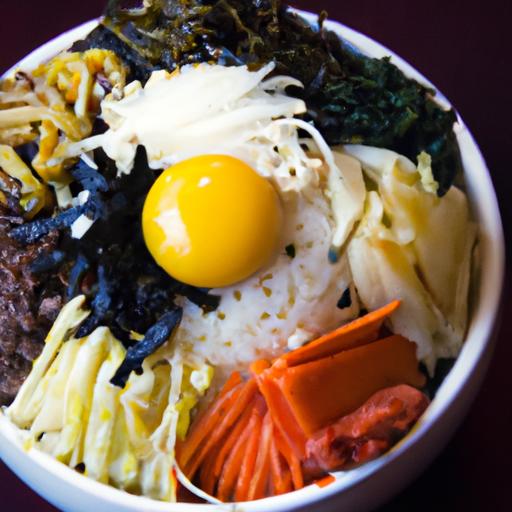
Bibimbap Unveiled: Korea’s colorful mixed rice delight is not merely a dish but a vibrant celebration of flavors, textures, and cultural heritage. Originating from the fertile plains of Jeonju, this iconic Korean bowl harmoniously blends warm rice with an array of seasoned vegetables, marinated beef, a fried egg, and bold gochujang sauce.As someone who first encountered bibimbap amid a bustling Korean market, the medley of colors and tastes instantly captivated me-a testament to why this dish endures as a beloved classic worldwide.
Prep and Cook Time
Preparation: 25 minutes
Cooking: 30 minutes
Total Time: 55 minutes
Yield
Serves 4 hearty portions
Difficulty Level
medium – Ideal for home cooks ready to explore authentic Korean flavors with clear stepwise guidance
ingredients
- 2 cups short-grain white rice,rinsed and cooked
- 200g ground beef (or thinly sliced ribeye for a richer taste)
- 1 small carrot,julienned
- 1 cup spinach,blanched and squeezed dry
- 1 cup bean sprouts,blanched
- 4 shiitake mushrooms,sliced
- 2 cloves garlic,minced
- 4 eggs
- 2 tbsp sesame oil
- 1 tbsp vegetable oil
- 1 tbsp soy sauce
- 1 tsp sugar
- 1 tbsp gochujang (Korean red chili paste)
- 2 tsp toasted sesame seeds
- Salt and pepper to taste
- Spring onions,thinly sliced,for garnish
- Kimchi (optional,for serving)
Instructions
- Cook the rice: Rinse the short-grain rice under cold water until clear. Cook according to your rice cooker or stovetop method and keep warm. Perfectly sticky rice is key to authentic bibimbap texture.
- Prepare the vegetables: Blanch spinach and bean sprouts separately in boiling water for 1-2 minutes. Rinse under cold water, squeeze dry, and season each with a pinch of salt and 1 tsp sesame oil. Sauté julienned carrots and shiitake mushrooms separately in 1 tsp vegetable oil until tender but still vibrant, about 4-5 minutes.
- Cook the beef: In a skillet over medium heat,cook the ground beef with minced garlic,soy sauce,sugar,and pepper. Stir until the beef is browned and fragrant (about 5 minutes). Set aside.
- Fry the eggs: Heat a non-stick pan with a touch of oil. Fry each egg sunny side up, aiming for runny yolks that will beautifully coat the rice and ingredients when mixed.
- Assemble the bibimbap bowls: Divide the warm rice into four bowls. Neatly arrange the seasoned spinach, bean sprouts, carrots, mushrooms, and beef atop the rice in sections to showcase the vibrant colors.
- Add the finishing touches: place a fried egg on top of each bowl, add a generous dollop of gochujang, drizzle with sesame oil, and sprinkle toasted sesame seeds and sliced spring onions.
- Serve: Encourage diners to mix thoroughly right before eating, experiencing the beautiful blend of textures and spicy-sweet layers in every bite.
Tips for Success
- Vegetable Prep: Keeping each vegetable separate during cooking preserves their individual flavors and textures, essential for the authentic bibimbap experience.
- Rice: Use freshly cooked, warm rice. If unavailable, a steamy microwave session can revive cooled rice.
- Protein Substitute: swap ground beef for grilled tofu or sautéed mushrooms for a vegetarian-friendly bowl.
- Gochujang: Adjust the amount according to your spice tolerance. Mix with a bit of sesame oil and sugar to mellow the heat and add depth.
- Make-Ahead: Prepare and season vegetables a day ahead and store separately. Freshly cooked rice and eggs complete the dish before serving.
Serving Suggestions
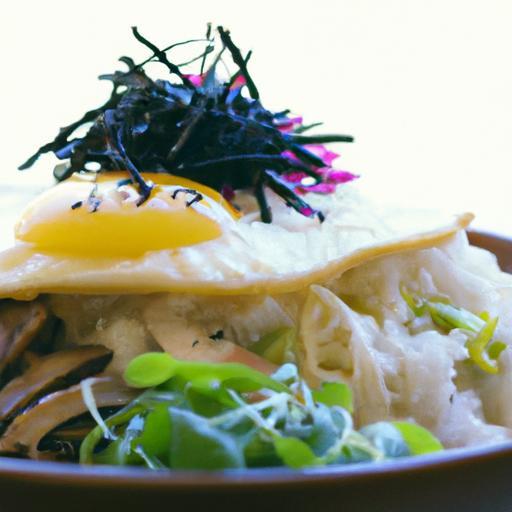
Present bibimbap in shallow stone bowls (dol sot) if possible, which keep the rice crisp and sizzling delightfully. Garnish with fresh cilantro or microgreens for extra brightness. Serve alongside crunchy kimchi and a chilled glass of sikhye (sweet rice beverage) or Korean soju for an authentic pairing that accentuates the bold flavors.This dish shines at communal meals where everyone mixes their bowls, sharing stories and savoring Korea’s culinary heritage.
| Nutrient | Per Serving |
|---|---|
| Calories | 520 kcal |
| Protein | 24 g |
| Carbohydrates | 62 g |
| Fat | 16 g |

For more Korean culinary inspiration, explore our Kimchi Making Basics to deepen your understanding of conventional Korean flavors.
Q&A
Q&A: Bibimbap Unveiled – Korea’s Colorful Mixed Rice Delight
Q1: What exactly is Bibimbap?
A1: Bibimbap, literally meaning “mixed rice,” is a vibrant Korean dish where a bowl of warm white rice is topped with an array of colorful vegetables, marinated meat, a fried egg, and a dollop of fiery gochujang (red chili paste). Before eating, everything is mixed together, creating a harmonious blend of flavors and textures.
Q2: Why is Bibimbap considered a symbol of Korean culture?
A2: Bibimbap’s beauty lies not just in its taste but in its philosophy – balance and harmony. The dish marries ingredients of different colors, flavors, and textures, reflecting Korea’s appreciation for nature’s bounty and the belief in nutritional and aesthetic balance. It’s often served during festive occasions and embodies Korean tradition and mindfulness.Q3: What are the staple ingredients that make Bibimbap so distinctive?
A3: While Bibimbap recipes vary by region and personal taste, the core ingredients typically include steamed rice, sautéed spinach, bean sprouts, julienned carrots, shiitake mushrooms, marinated beef (bulgogi), a fried sunny-side-up egg, and a generous spoonful of gochujang. Sesame oil and toasted sesame seeds add aromatic finishing touches.
Q4: How did Bibimbap originate?
A4: Bibimbap’s roots trace back to the Joseon Dynasty, where it was traditionally eaten on the eve of the lunar new year or after ancestral rites. It was a practical way to use leftover side dishes mixed with rice, evolving over centuries into the artful and beloved meal we certainly know today.
Q5: Can Bibimbap be enjoyed by vegetarians or those with dietary restrictions?
A5: Absolutely! Bibimbap’s flexibility is one of its greatest strengths. You can easily swap out the beef for tofu or mushrooms, exclude eggs, or adjust the spice level by modifying the gochujang. The vibrant vegetable medley remains the heart of the dish, making it a wholesome and adaptable choice.Q6: What’s the best way to enjoy Bibimbap?
A6: the secret is in the mix! Upon serving, stir all the ingredients vigorously so each bite bursts with a complex, satisfying blend of sweet, spicy, savory, and nutty notes. Pair it with a side of kimchi and a bowl of warm soup for the full Korean dining experience.
Q7: Are there regional variations of Bibimbap?
A7: yes! The most famous regional variant is Jeonju Bibimbap,famed for its abundance of fresh ingredients and premium beef. In the southern city of Tongyeong,seafood bibimbap reigns supreme,while in the mountainous Gangwon province,wild herbs take center stage. Each twist tells a story of local flavors and traditions.
Q8: Why has Bibimbap gained international popularity?
A8: Bibimbap’s vibrant appearance, balanced nutrition, and customizable nature have captivated food lovers worldwide. It offers an inviting introduction to Korean cuisine’s depth and diversity, appealing to health-conscious diners and adventurous eaters alike.
Q9: Can I make Bibimbap at home?
A9: definately! though it might seem intricate, Bibimbap is a fun culinary project.Prepare or source your favorite vegetables and protein, cook some white rice, and don’t forget the all-significant gochujang. With a little practice, you’ll be mixing up your own colorful masterpiece that’s both beautiful and delicious.
Q10: What’s the cultural significance of the egg in Bibimbap?
A10: The sunny-side-up egg adds richness and symbolism; in Korean culture, eggs often represent fertility and new life. Beyond that, the creamy yolk blends with the spicy gochujang and crisp vegetables, lending a silky smoothness that ties the dish together perfectly.
Dive into Bibimbap and experience a feast for your eyes, palate, and soul – a beautiful testament to Korea’s rich culinary tapestry!
To Wrap It Up
As we peel back the layers of bibimbap, this vibrant mosaic of flavors and textures reveals more than just a meal-it tells a story of Korea’s rich cultural tapestry and culinary ingenuity. From the sizzling stone bowls to the artful harmony of vegetables, rice, and spicy gochujang, bibimbap invites us to savor not only its colorful ingredients but also the tradition and spirit they embody. Whether enjoyed in a bustling Seoul eatery or recreated in your own kitchen, this mixed rice delight continues to bridge history and modern palate, reminding us that sometimes, the most satisfying dishes are those where every element comes together in perfect, delicious unity.