
in the delicate dance between nature and tradition, few rituals capture the fleeting beauty of spring as gracefully as sakura tea. Known as “Blossoms in a Cup,” this enchanting infusion is much more than a simple beverage-it is a sip of history, culture, and artistry intertwined. Each crimson-hued petal,carefully preserved and steeped,brings forth not only subtle floral notes but also centuries of symbolism embedded in japanese heritage. Join us as we unfold the story behind sakura tea, exploring its blossoming origins, the meticulous craft of its preparation, and the timeless tradition that transforms a humble cup into a poetic party of life’s most ephemeral moments.
Blossoms in a Cup: steeping sakura tea from delicate cherry blossoms is both a sensory and cultural journey that connects you to centuries-old japanese traditions.This fragrant infusion, celebrated for its subtle floral aroma and gentle pink hue, symbolizes renewal, the fleeting beauty of life, and the arrival of spring. Whether enjoyed during hanami (flower viewing) or as a calming personal ritual, sakura tea invites you to savor a moment of serene elegance.
Prep and Cook Time
- Preparation: 10 minutes (plus 1-2 hours for soaking if using dried blossoms)
- Brewing: 5 minutes
- Total Time: Approximately 20 minutes
yield
Serves 2 cups of delicate sakura tea
Difficulty Level
Easy – A simple steep, perfect for both beginners and seasoned tea lovers
Ingredients
- 2 teaspoons dried salted sakura blossoms (or 2 tablespoons fresh cherry blossoms, edible and pesticide-free)
- 500 ml hot water (just below boiling, around 80-85°C)
- 1 teaspoon honey or rock sugar (optional, to enhance natural sweetness)
- 1 slice lemon or a sprig of fresh mint (optional, for garnish)
Instructions
- Rinse the Sakura Blossoms: Gently rinse dried sakura blossoms under cold water to remove excess salt if using salted blossoms; drain well.If fresh, lightly wash and pat dry.
- Soak the blossoms: Place the sakura blossoms in a teapot or heatproof glass pot. Pour about 200 ml of hot water over them to soften the petals and release their flavor. Let them soak for 1-2 hours-this slow infusion deepens the color and aroma.
- Add Remaining Water: Pour the remaining 300 ml of hot water into the pot. Heat water to 80-85°C to preserve the floral notes and delicate taste; avoid boiling water which can make the tea bitter.
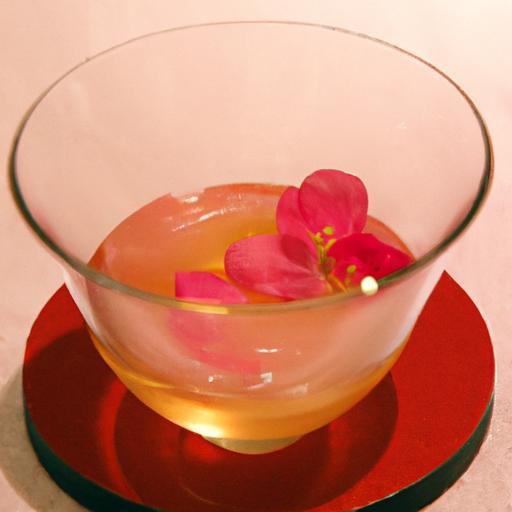
- Steep: Cover and let steep for 4-5 minutes. Observe as the water blushes a faint rose-pink, a visual delight reminiscent of cherry blossoms in full bloom.
- Sweeten (Optional): Stir in honey or rock sugar gently,allowing the natural floral sweetness to shine without overwhelming the subtle flavors.
- Serve: Pour the tea through a fine mesh strainer into delicate porcelain cups.Garnish with a thin slice of lemon or a fresh mint sprig for a refreshing contrast.
Chef’s Notes
- Substitute with Sakura Leaves: For a stronger, more earthy flavor, try dried salted sakura leaves in combination with blossoms.
- Salt Content: If using salted sakura blossoms, adjust sweetness carefully as residual saltiness adds unique depth; fresh blossoms work well unsalted.
- Make-Ahead: Prepare the soaked blossoms in advance and refrigerate to intensify flavor and enhance the pink tone; bring to room temperature before brewing.
- Flavor Variations: Add a hint of jasmine or green tea leaves for a layered floral blend.
- Storage: Use dried sakura blossoms within 6 months for optimal aroma and potency.
Serving Suggestions
Present sakura tea in transparent glass cups to display its gentle rose tint, enhancing the visual poetry of yoru tea experience. Pair the infusion with seasonal Japanese sweets such as wagashi, especially sakura mochi or light green tea-flavored confections, to balance sweetness and floral notes. The tea also shines alongside light springtime salads garnished with edible blossoms or a fluffy matcha chiffon cake adorned with sakura petals.

Nutritional Details per Serving
| Calories | Protein | Carbohydrates | Fat |
|---|---|---|---|
| 10 | 0.1 g | 2 g | 0 g |
For those curious about sakura tea’s health dimensions, savor its antioxidants and calming properties backed by research from the National Institutes of Health. Embrace this floral infusion as a renewal ritual, connecting palate and soul during the ephemeral cherry blossom season.
Explore more seasonal tea traditions in our Seasonal Teas Guide to deepen your recognition for nature’s gifts in every sip.
Q&A
Q&A: Blossoms in a Cup – The Art and Tradition of Sakura Tea
Q1: What is Sakura tea, and why is it so special?
A1: Sakura tea is a delicate Japanese infusion made from preserved cherry blossoms, or sakura, steeped in hot water.Its allure lies not only in its subtle, floral aroma and gentle pink hue but also in the centuries-old tradition it carries-a symbolic celebration of beauty, renewal, and the fleeting nature of life.
Q2: How are the cherry blossoms prepared to become tea?
A2: The process begins during the cherry blossom season when the blooms are harvested at their peak. The blossoms are then lightly salted and pickled in plum vinegar to preserve their shape and fragrance.When ready to serve,a few salted blooms are placed in a small cup,then hot water is poured over them,creating a fragrant tea featuring the blossoms gracefully unfurling.Q3: What cultural importance does Sakura tea hold in Japan?
A3: Sakura tea is deeply intertwined with Japanese customs and aesthetics. Traditionally served at weddings and special occasions, it symbolizes new beginnings, purity, and the ephemeral beauty of life-concepts central to the Japanese appreciation of nature and wabi-sabi philosophy. Its blooming and drinking mirror the transient cherry blossoms themselves, reminding drinkers to savor each moment.
Q4: what does drinking Sakura tea feel like?
A4: Drinking Sakura tea is a multisensory experience. The gentle perfume of cherry blossoms dances on the palate, imparting a mild sweetness with a subtle saltiness from the pickling. watching the petals bloom inside the cup lends a quiet elegance and a meditative quality to each sip, transforming a simple drink into a moment of mindful beauty.
Q5: Can anyone make or enjoy Sakura tea outside Japan?
A5: Absolutely! While traditionally Japanese, sakura tea has captured global hearts. Specialty stores and online shops often sell preserved cherry blossoms ready for brewing. For those wanting to bring a touch of Japanese spring into their homes, sakura tea offers a charming way to connect with cultural heritage and seasonal rituals-no matter where you are.
Q6: Are there any health benefits to Sakura tea?
A6: While sakura tea is primarily cherished for its symbolic and sensory qualities, cherry blossoms contain antioxidants and anti-inflammatory compounds. The tea is caffeine-free and low in calories, making it a gentle, hydrating beverage. its calming floral aroma can also provide a soothing effect, perfect for moments of relaxation.
Q7: How does Sakura tea reflect broader themes in Japanese art and tradition?
A7: Sakura tea embodies the Japanese reverence for impermanence and natural beauty, capturing the essence of hanami-the enjoyment of cherry blossoms. much like haiku poetry or ikebana flower arranging, it transforms simple natural elements into refined art. The tea is a living metaphor for fleeting beauty, inviting contemplation and gratitude with every cup.
Insights and Conclusions
As the petals of the cherry blossom drift gently from the trees to rest in our teacups, we are reminded that sakura tea is more than just a beverage-it is indeed a delicate bridge between nature, culture, and ceremony. Every sip carries centuries of tradition, a fleeting yet profound celebration of beauty and renewal. in embracing the art of sakura tea, we partake not only in a fragrant ritual but also in a timeless story that blossoms anew with each season, inviting us to pause, reflect, and savor the ephemeral grace of life itself.