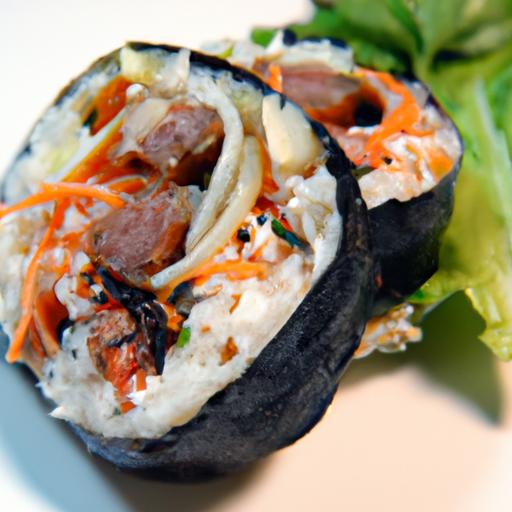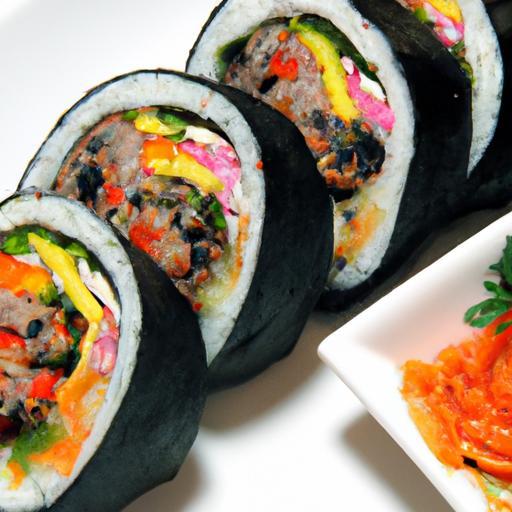

In the vibrant tapestry of Korean cuisine, few dishes capture the perfect harmony of simplicity and flavor quite like chamchi tuna gimbap. This beloved Korean rice roll, wrapped in seaweed and filled with savory tuna, is more than just a meal-it’s a celebration of textures and tastes that invites you to savor every bite. Whether you’re a seasoned foodie or a curious newcomer,this guide will immerse you in the art of crafting and enjoying chamchi tuna gimbap,unlocking the secrets behind its irresistible charm.Join us as we explore the flavors, techniques, and cultural nuances that make this dish a timeless favourite on Korean tables worldwide.
Savor the Flavors with Korean chamchi tuna Gimbap, a beloved culinary treasure that beautifully embodies the harmony of textures and tastes distinct to Korean cuisine.this iconic rice roll combines seasoned rice, savory chamchi (tuna), and fresh vegetables, wrapped snugly in toasted seaweed, delivering a satisfying bite that instantly transports you to bustling Korean streets and cozy family picnics. With roots embedded in Korea’s rich food culture, Chamchi Tuna Gimbap offers more than just a meal – it’s an experience of tradition, comfort, and creativity.
Prep and Cook Time
- Preparation: 20 minutes
- Cooking: 15 minutes
- Total Time: 35 minutes
Yield
Serves 4 rolls (about 8-10 pieces per roll)
difficulty Level
Medium – perfect for adventurous home cooks and those eager to refine their rolling technique.
Ingredients
- 2 cups short-grain sushi rice, soaked and rinsed
- 2 ½ cups water
- 3 tablespoons rice vinegar
- 1 tablespoon sugar
- 1 teaspoon salt
- 1 can (150g) chamchi tuna, drained and lightly flaked
- 4 sheets dried seaweed (gim/nori)
- 1 medium carrot, julienned
- 4 large eggs
- 1 cucumber, julienned and seed removed
- 3 stalks scallions, finely chopped
- 1 tablespoon sesame oil
- 1 teaspoon toasted sesame seeds
- Salt and pepper to taste
- Optional: Pickled radish (danmuji) strips, for authentic texture contrast
Instructions
- Cook the rice: Rinse the rice under cold water until water runs clear. Combine rice and water in a rice cooker or pot, and cook until tender. Let cool slightly.
- Prepare sushi vinegar: Mix rice vinegar, sugar, and salt until dissolved. Gently fold into the cooked rice with a wooden spatula to coat evenly. Avoid smashing rice grains.
- Make the egg strips: whisk eggs with a pinch of salt. Heat a non-stick pan over medium heat and pour a thin layer to create an omelet. cook until set, flip if needed, then slice into thin strips.
- Sauté the carrots: lightly sauté julienned carrots in a drop of oil for about 2 minutes,until slightly tender but still crisp. Season with a pinch of salt. Let cool.
- Prepare the filling: In a bowl, combine flaked chamchi tuna with scallions, a touch of sesame oil, and a dash of pepper. Stir gently to infuse flavor without breaking the tuna too much.
- Assemble the gimbap: Place a bamboo mat on a clean surface. Lay one sheet of seaweed shiny side down. Spread a thin,even layer of rice (about ¾ cup) over the seaweed,leaving a 1-inch border at the top edge.
- Layer the fillings: Arrange tuna mixture, carrot strips, cucumber, egg strips, and optional pickled radish in a line about 1 inch from the bottom edge.For balanced flavor and texture, avoid overfilling.
- Roll tightly: Using the mat, roll the gimbap firmly from the bottom edge, tucking fillings inward as you go. Apply gentle pressure to create a compact roll without crushing the rice.
- seal and slice: Moisten the exposed seaweed edge with water to seal the roll. Using a sharp knife dipped in water, slice the roll into bite-size pieces (approx. 1 inch thick). Clean the knife between cuts.
- Finish: Sprinkle sesame seeds on top and drizzle a hint of sesame oil for extra aroma. Serve instantly or wrap tightly for a portable snack.
Tips for Success
- Rice texture is key: Use freshly cooked, slightly warm rice for optimal stickiness. Avoid cold rice that clumps or hot rice that’s too soft.
- Rolling technique: Don’t rush the roll-take your time to keep fillings aligned and the roll firm but delicate.
- Ingredient swaps: Try substituting chamchi tuna with fresh-cooked crab or spicy tuna for varied flavor profiles.
- Make ahead: Gimbap keeps well for a few hours wrapped in plastic wrap at room temperature but best enjoyed fresh to preserve crispness.
- Seaweed quality: Opt for thick, high-quality gim seaweed sheets that have a natural toasted aroma, ensuring a perfect chew and shine.
Serving Suggestions
Present the gimbap on a long wooden board or stylish ceramic plate for a visually appealing arrangement. Garnish with extra toasted sesame seeds and a sprinkle of finely chopped scallions. Accompany the rolls with kimchi, pickled radish slices, or a small dish of soy sauce mixed with wasabi for dipping.
For a colorful twist, serve alongside bright Korean side dishes like spicy cucumber salad or seaweed soup for an authentic and balanced dining experience.
| Nutrient | Per Serving (2 pieces) |
|---|---|
| Calories | 180 kcal |
| Protein | 8g |
| Carbohydrates | 24g |
| Fat | 5g |

Discover more about the art of Korean cooking with our Authentic Korean Recipes Collection and deepen your culinary journey with insights from Maangchi’s expert tutorials.
Q&A
Q&A: Savor the flavors – A Guide to Korean Chamchi Tuna Gimbap
Q1: What exactly is Chamchi Tuna Gimbap?
A1: Chamchi Tuna Gimbap is a beloved Korean dish that wraps seasoned rice, chamchi (canned tuna), and a variety of crunchy, fresh vegetables in sheets of roasted seaweed. Unlike the more common meat or vegetarian gimbap, chamchi tuna adds a savory, ocean-kissed depth that makes each bite uniquely satisfying.Q2: How did Chamchi Tuna Gimbap become popular in Korean cuisine?
A2: Chamchi Tuna Gimbap rose to fame as a quick, nutritious, and affordable meal option. Tuna, especially canned chamchi, is widely available and convenient, making this gimbap variant a pantry staple for busy students, office workers, and picnickers. Its combination of flavors and textures embodies the Korean love for balanced, harmonious bites.
Q3: What ingredients are essential for making authentic Chamchi Tuna Gimbap?
A3: The essentials include cooked short-grain rice, seasoned with a touch of sesame oil and salt; canned chamchi tuna mixed with mayo or gochujang for creaminess or spice; thin strips of pickled radish (danmuji); julienned carrots; spinach lightly seasoned with garlic and sesame oil; and of course, crisp sheets of gim (roasted seaweed). Each ingredient plays its role without overpowering the others.
Q4: What makes Chamchi Tuna Gimbap different from sushi rolls?
A4: While sushi frequently enough features raw fish and vinegared rice,gimbap is rooted in Korean flavors and cooking techniques-featuring cooked or canned fillings and rice seasoned with sesame oil rather than vinegar. gimbap’s flavor profile tends to be savory and hearty, designed to be a portable meal for picnics and lunchboxes.
Q5: Can Chamchi Tuna Gimbap be customized for different tastes?
A5: Absolutely! You can tweak the filling by adding or substituting ingredients like cucumber for extra crunch, kimchi for spicy tang, or even a fried egg for protein. Some like to mix their tuna with spicy mayo or add a sprinkle of sesame seeds. Gimbap is a flexible canvas, inviting creativity with every roll.
Q6: How should I best enjoy Chamchi Tuna Gimbap?
A6: Serve it fresh and sliced into bite-sized pieces. it’s perfect as a snack, lunch, or light dinner. Pair it with a dipping sauce of soy sauce mixed with a touch of wasabi or a dollop of gochujang for a sweet kick. Don’t forget a side of pickled radish or kimchi to balance the richness of the tuna.
Q7: Where can one find chamchi Tuna Gimbap outside Korea?
A7: Korean restaurants and markets around the world frequently enough feature gimbap on their menus or in pre-packaged forms. Many Asian grocery stores carry canned chamchi tuna and seaweed sheets, so adventurous home cooks can bring a taste of Korea to their kitchens anytime.
Q8: Why should someone try Chamchi Tuna Gimbap?
A8: Chamchi Tuna Gimbap offers a delightful harmony of flavors-creamy, savory tuna; nutty rice; crisp veggies; and the subtle umami of roasted seaweed. It’s a tasty, wholesome bite of korean culture that’s easy to make, fun to eat, and perfect for anyone looking to explore vibrant, satisfying comfort food.
Final Thoughts
As you wrap up your culinary journey through the delightful world of korean Chamchi Tuna gimbap,remember that this humble roll is more than just a meal-it’s a harmonious blend of textures,flavors,and cultural heritage neatly wrapped in seaweed and rice. Whether enjoyed as a quick snack on the go or shared among friends during a picnic, Chamchi Tuna gimbap invites you to savor simplicity with every bite. So next time you crave a taste of Korea’s vibrant street food scene, roll up your sleeves and dive into the art of making your own gimbap-where tradition meets taste in perfect harmony.