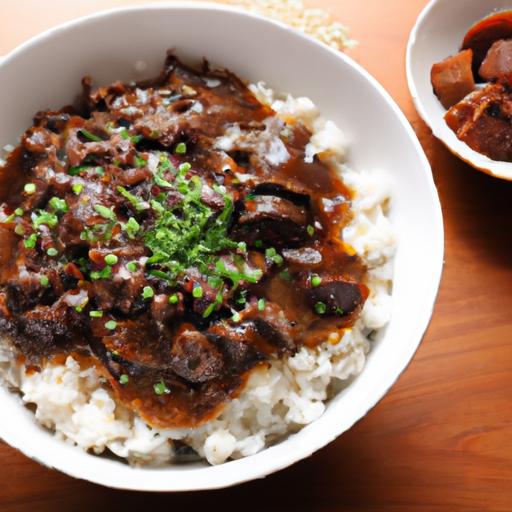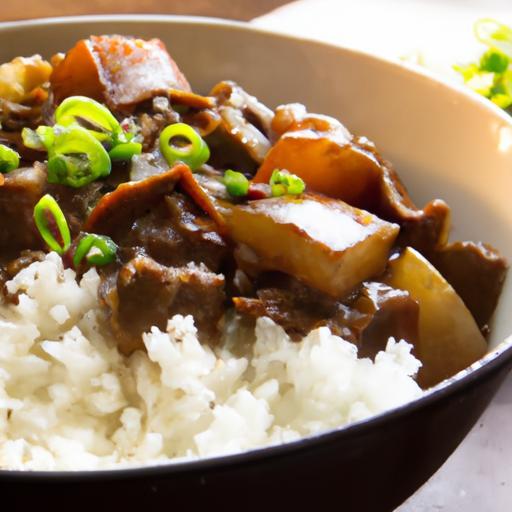

When it comes to comfort food that warms both the heart and soul, few dishes can rival the rich, savory embrace of Hayashi rice. Frequently enough described as Japan’s answer to classic beef stew, Hayashi rice combines tender, slow-simmered beef with a luscious demi-glace sauce, infused with the subtle sweetness of tomatoes and the earthy depth of mushrooms. This hearty dish, served generously over steaming white rice, has nestled itself into the homes and hearts of many-a true culinary delight that bridges Western influences with Japanese sensibilities. In this article,we delve into the origins,flavors,and secrets behind making the ultimate beef stew experience: the beloved Japanese Hayashi rice.
Hearty Japanese Hayashi Rice: The Ultimate Beef Stew Delight
Hearty Japanese Hayashi Rice is more than just a comforting meal; it’s a party of rich, soulful flavors fused with classic Western and Japanese culinary traditions. This dish showcases tender beef simmered in a deeply savory, slightly sweet tomato-based sauce that perfectly complements fluffy steamed rice. Originating in the Meiji era, Hayashi Rice carries the nostalgia of Japanese home kitchens, where simple ingredients transform into an indulgent stew, perfect for any season. Whether it’s a chilly evening or a leisurely weekend lunch, this recipe invites you to savor warmth and umami with every bite.
Prep and Cook Time
- Preparation: 20 minutes
- Cooking: 1 hour 15 minutes
- Total Time: 1 hour 35 minutes
Yield
Serves 4 generous portions
Difficulty level
Medium – Perfect for enthusiastic home cooks looking to elevate their skills
Ingredients
- 400g beef chuck, cut into 1-inch cubes
- 2 tbsp vegetable oil
- 2 medium onions, thinly sliced
- 2 cloves garlic, finely minced
- 1 medium carrot, peeled and diced
- 1 cup red wine (preferably dry)
- 1 1/2 cups beef broth
- 3 tbsp tomato paste
- 2 tbsp Worcestershire sauce
- 1 tbsp soy sauce
- 1 tbsp all-purpose flour
- 2 tbsp unsalted butter
- Salt and black pepper to taste
- Cooked Japanese short-grain rice for serving
- fresh parsley for garnish
Instructions
- Start by Patting the beef dry to ensure a good sear. Heat the vegetable oil in a heavy-bottomed pot over medium-high heat. Sear the beef cubes in batches, browning all sides but avoiding overcrowding. Remove and set aside.
- Lower the heat to medium. Add the butter and toss in the sliced onions. Sauté until translucent and golden brown, about 15 minutes, stirring frequently to bring out their natural sweetness.
- Add the minced garlic and diced carrot. Stir for 2-3 minutes until fragrant.
- Sprinkle the flour evenly over the vegetables. Stir constantly for 2 minutes to cook out the raw flour taste; this helps thicken the sauce later.
- Pour in the red wine carefully, scraping the bottom to deglaze the pot and incorporate all browned bits for maximum flavor.
- Return the seared beef to the pot,followed by beef broth,tomato paste,Worcestershire sauce,and soy sauce. Stir well and bring to a simmer.
- Cover and reduce the heat to low.Let it gently simmer for 1 hour to tenderize the beef and meld all flavors beautifully. Stir occasionally, and add a splash of broth if needed to maintain desired consistency.
- Season with salt and pepper to taste. For a richer taste, let the stew rest covered off heat for 10 minutes before serving.
- Serve the luscious Hayashi sauce spooned over freshly steamed Japanese short-grain rice. Garnish with chopped parsley for a fresh pop of color and flavor.
Tips for Success
- Choosing beef: Opt for chuck roast or brisket for tender, juicy results. These cuts break down slowly and develop deep flavors.
- Layering flavors: Don’t rush the caramelization of onions – it’s key to that signature richness.
- Make ahead: Hayashi Rice frequently enough tastes even better the next day after the flavors fully develop. Reheat gently to maintain texture.
- Alternate thickening: If you prefer a gluten-free option, use cornstarch slurry rather of flour.
- Wine choice: A dry red wine like Merlot or Cabernet Sauvignon helps balance the sweetness without overpowering the sauce.
Serving Suggestions: Elevate Your Hayashi Rice Meal
This dish pairs beautifully with simple sides that don’t compete with its rich sauce. Serve with a crisp green salad dressed lightly with a citrus vinaigrette to balance the stew’s depth. Pickled vegetables or a small bowl of miso soup complement the meal perfectly.
For a festive touch, spoon a dollop of Japanese-style mashed potatoes alongside or sprinkle fried shallots on top for extra texture and crunch. Garnishing with fresh parsley brightens the plate visually and adds a fresh herbal note.

| Nutritional Info (per serving) | Amount |
|---|---|
| Calories | 520 kcal |
| Protein | 36 g |
| Carbohydrates | 42 g |
| Fat | 18 g |
For more Japanese comfort food recipes,check out our Japanese Curry Rice guide.For a deeper understanding of Wagyu and other premium beef cuts ideal for stewing, visit USA Wagyu Association.
Q&A
Q&A: Hearty Japanese Hayashi Rice - The Ultimate Beef Stew Delight
Q1: What exactly is Hayashi Rice?
A1: Hayashi Rice is a beloved Japanese dish that combines tender beef stew with a rich, demi-glace based sauce, served over fluffy steamed rice. Think of it as japan’s answer to a comforting beef stew, but with a unique Western-inspired twist that’s both savory and slightly sweet.
Q2: Where did Hayashi Rice originate?
A2: although it feels quintessentially Japanese, Hayashi Rice traces its roots back to the Meiji era, when Western cuisine began influencing Japanese cooking. it’s believed to have been created by a clever cook who wanted to adapt French beef stew to Japanese tastes, blending demi-glace sauce with familiar rice for a hearty meal.
Q3: What makes Hayashi Rice different from regular beef stew?
A3: Unlike customary beef stew, Hayashi Rice features a luscious demi-glace sauce-a complex, rich brown sauce made from a blend of beef stock, tomato puree, red wine, and aromatic vegetables. This sauce gives it a deep, velvety flavor that’s less chunky but more intensely savory and slightly tangy, perfectly complementing the rice.
Q4: What ingredients bring Hayashi Rice to life?
A4: The magic happens with tender slices of beef, onions caramelized to sweetness, mushrooms for umami depth, and that signature demi-glace sauce. Tomato paste, a splash of red wine, and sometimes Worcestershire sauce lend complexity, while freshly steamed rice softens and balances the dish.
Q5: Can I make Hayashi Rice at home easily?
A5: Absolutely! While authentic demi-glace can be intricate, ther are simplified recipes that use beef stock, tomato paste, and a splash of wine or soy sauce to mimic its richness. With some patience caramelizing onions and simmering the beef gently, your kitchen can transform into a cozy Hayashi Rice haven in under an hour.
Q6: How is Hayashi Rice typically served in Japan?
A6: Traditionally, Hayashi Rice is plated as a generous scoop of steaming white rice topped with the glossy beef stew. It’s frequently enough accompanied by simple pickles or a fresh green salad, balancing the rich flavors and making it a satisfying one-dish meal enjoyed at home or casual eateries.
Q7: Are there variations of Hayashi Rice?
A7: Indeed! Some add cream to the sauce for extra silky texture,others incorporate vegetables like carrots or bell peppers. Occasionally, cooks substitute ground beef or pork for slices, and some even serve it with bread rather of rice for a Western flair.
Q8: Why is Hayashi Rice considered “the ultimate beef stew delight“?
A8: As it marries the heartiness of a beef stew with the comforting familiarity of rice in a uniquely harmonious sauce that’s rich, velvety, and packed with umami. It’s the perfect soul food for chilly days, delivering warmth and satisfaction in every bite.
Q9: what drinks or sides pair well with Hayashi Rice?
A9: A light Japanese beer or a glass of red wine enhances the savory depth of the dish. For sides, crisp pickled vegetables or a simple cucumber salad provide refreshing contrast. Miso soup can also complement the meal, rounding out that authentic Japanese dining experience.Q10: Where can I try authentic Hayashi Rice if I visit Japan?
A10: Look for cozy family restaurants called “kissaten” or casual eateries specializing in yoshoku (Western-influenced Japanese dishes). Department store basements and local diners often serve beloved versions of Hayashi Rice, each with its own special homemade touch.
Closing Remarks
In the vast and diverse world of Japanese cuisine, Hayashi rice stands out as a comforting embrace on a plate-a harmonious blend of tender beef, rich demi-glace, and fragrant spices, all nestled over steaming white rice. This hearty beef stew isn’t just a meal; it’s a delicious story of cultural fusion and home-cooked warmth that transcends borders.Whether you’re a seasoned foodie or a curious cook, embracing Hayashi rice invites you to savor a dish that’s equal parts indulgence and tradition. So next time you crave something rich, flavorful, and truly satisfying, remember that the ultimate beef stew delight might just be a simmer away.