
In the serene world of Japanese beverages, one drink stands out as a harmonious blend of elegance and comfort: Royal Milk Tea. More than just a sweet, creamy treat, this beloved beverage is a cultural emblem steeped in history and tradition. From its carefully selected black teas to the delicate balance of fresh milk, Royal Milk Tea offers a sensory journey that mirrors Japan’s meticulous artistry and reverence for refined simplicity. join us as we unveil the story behind this enchanting cup, exploring how centuries of tradition have shaped every sip of Japanese Royal Milk Tea.
Japanese Royal Milk Tea enchants the palate with its velvety richness and comforting warmth, an elegant fusion of robust black tea and luxuriously smooth milk that carries a history steeped in cultural nuance and refinement. This beloved beverage captures a uniquely Japanese interpretation of milk tea, transcending simple refreshment to become a daily ritual for many. Rooted in British tea culture yet reborn through Japan’s meticulous attention to quality and flavor harmony, it’s a cup that tells stories of tradition, craftsmanship, and regional pride.
Prep and Cook Time
- Preparation: 5 minutes
- Brewing: 10 minutes
- Total Time: 15 minutes
Yield
Serves 2 generous cups
Difficulty Level
Easy – Perfect for tea novices and aficionados alike
Ingredients
- 2 heaping teaspoons loose leaf Assam black tea (or 3 strong tea bags)
- 1 cup boiling water (212°F / 100°C)
- 3/4 cup whole milk (or use half-and-half for extra creaminess)
- 1 tablespoon sweetened condensed milk (adjust to taste)
- Optional: 1 teaspoon vanilla extract for aromatic depth
Instructions
- Warm your teapot or cup by swirling hot water inside and then discarding it; this keeps the tea temperature consistent.
- Place the loose leaf tea into a fine mesh infuser or tea strainer and steep in 1 cup boiling water for 5-7 minutes. If using tea bags, steep for about 5 minutes for full strength.
- Remove the tea leaves or bags and pour the brewed tea into a heatproof jug.
- Heat the milk gently on the stove or microwave until steaming but not boiling – about 1-2 minutes. Froth slightly if you prefer a lighter texture.
- Stir in the sweetened condensed milk into the hot tea until fully dissolved, balancing sweetness to your liking.
- Slowly pour the warm milk into the tea, gently mixing for a smooth, creamy blend. Optionally add vanilla extract and stir.
- Serve immediately in pre-warmed cups for the perfect sip of comforting warmth.
Tips for Success
- Choose high-quality Assam or Darjeeling black tea for the strongest, richest flavor typical of authentic Japanese Royal Milk Tea.
- Do not rush the steeping process; longer steeping releases more tannins but risks bitterness – experiment with timing between 5-7 minutes.
- Sweetened condensed milk is key to achieving the characteristic silky texture and subtle caramel notes; substitute with evaporated milk plus sugar if necessary.
- For dairy-free versions, almond or oat milk works well, but opt for sweetened condensed coconut milk to maintain creaminess.
- Make a larger batch: refrigerate brewed tea separate from milk up to 24 hours and warm portions as needed.
Serving Suggestions
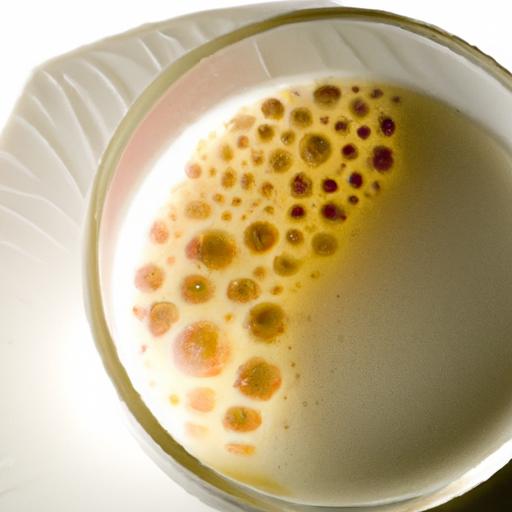
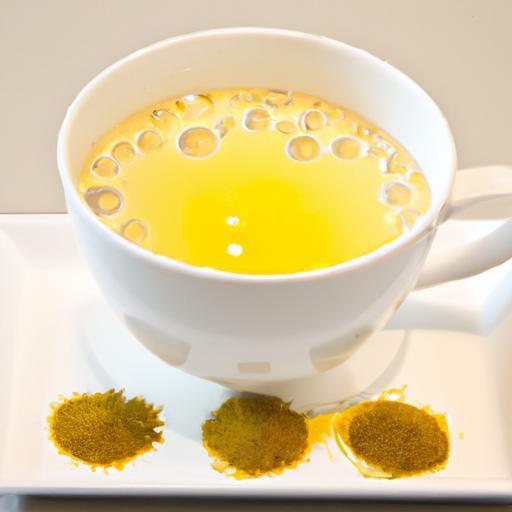
Pour Japanese Royal Milk tea into clear glass mugs to showcase its rich, amber hue transitioning into creamy ivory. Garnish with a fresh cinnamon stick or a sprinkle of ground nutmeg for a warming aroma. This tea pairs exquisitely with buttery Castella sponge cake or delicate matcha-flavored sweets to balance robust tea notes. For an indulgent twist, serve alongside silky azuki bean pudding or yuzu-flavored biscotti. Enjoy it as a midday treat or a serene evening ritual to soothe and uplift.

Exploring Nutritional Details
| Nutrient | Per Serving |
|---|---|
| Calories | 150 kcal |
| Protein | 4 g |
| Carbohydrates | 18 g |
| Fat | 6 g |
Discover the elegance hidden in a single cup and how Japanese Royal Milk Tea elevates everyday moments into cherished traditions. For an even deeper dive into Japanese beverages, explore our detailed guide on authentic matcha preparation. For tea lovers wishing to understand the science behind brewing perfect tea, the Royal Society of Chemistry provides a thorough overview hear.
Q&A
Q&A: Unveiling Japanese Royal Milk Tea – Tradition in a Cup
Q1: What exactly is japanese Royal Milk Tea?
A1: Japanese Royal Milk Tea is a luxurious blend of black tea and creamy milk, crafted to create a smooth, velvety drink that balances rich tea flavors with a gentle sweetness. Originating in Japan, it elevates the everyday cup of tea to a regal experience, celebrated for its harmony and refinement.
Q2: How did Royal Milk Tea become a part of Japanese culture?
A2: The story begins during the early 20th century when Western culture was influencing Japan’s tea habits. inspired by British afternoon tea traditions, japanese tea-makers began experimenting with blending strong black teas with fresh milk and sugar. Over time, this concoction evolved into what is now known as Royal Milk Tea-a drink that honors both tradition and innovation.
Q3: What makes Japanese Royal Milk Tea different from other milk teas?
A3: Unlike many milk teas that use tea bags or powdered mixes, authentic Royal Milk Tea uses carefully selected loose-leaf black teas, often Assam or Ceylon, brewed to perfection before adding whole milk. The key lies in precise proportions and gentle simmering, ensuring the milk and tea meld seamlessly without overpowering each other.
Q4: Is there a customary way to prepare and enjoy Royal Milk Tea?
A4: absolutely.Traditionally, Royal Milk Tea is brewed strong, strained, and combined with warm whole milk-sometimes with a touch of sugar for balance. It’s served in elegant cups, frequently enough during afternoon tea rituals or quiet moments of contemplation. The act of making and savoring Royal Milk Tea is as much about mindfulness as it is about flavor.
Q5: Can Royal Milk tea be enjoyed cold or is it only a hot beverage?
A5: While royal Milk Tea is traditionally served hot to warm the senses, modern variations have embraced iced versions, especially during japan’s humid summers. The chilled counterpart maintains the creamy richness and tea’s depth, offering a refreshing twist that keeps the tradition alive year-round.
Q6: Why is Royal Milk Tea considered “royal”?
A6: The “royal” in royal Milk Tea nods to its rich, luxurious character-fit for nobility. it reflects both the quality of ingredients and the meticulous preparation that elevates a simple cup of tea into something unusual. Drinking Royal Milk Tea is like indulging in a small, everyday ceremony that feels regal.
Q7: How has Japanese Royal Milk Tea influenced global tea culture?
A7: As Japanese culture and cuisine have gained global appreciation,Royal Milk Tea has sparked curiosity and inspired countless adaptations worldwide. From trendy cafes to bottled beverages, its signature silky texture and balanced taste have helped redefine what milk tea can be, blending tradition with modern palates across continents.
Q8: Where can one experience authentic Japanese Royal Milk tea today?
A8: Authentic Royal Milk Tea can be savored in traditional Japanese tea houses, specialty cafes, and select restaurants that honor classic brewing methods. For enthusiasts, recreating the experience at home with quality black tea leaves and fresh milk is a rewarding ritual, bringing a taste of Japan’s tea heritage into everyday life.
Dive into a cup of Japanese Royal Milk Tea and discover a world where history, culture, and flavor converge-a tradition steeped not just in tea leaves, but in thoughtful craftsmanship and timeless elegance.
In Summary
As the delicate layers of Japanese Royal Milk Tea settle into your cup, you hold more than a beverage-you grasp a story steeped in history, culture, and meticulous craft. This harmonious blend of rich tea leaves and creamy milk is a testament to Japan’s ability to transform simple ingredients into an experience that resonates beyond the palate. Whether enjoyed in bustling city cafés or quiet countryside tea rooms, Royal Milk Tea invites you to savor tradition one sip at a time. So next time you cradle a warm cup, remember: you’re not just drinking tea-you’re embracing a timeless ritual brewed to perfection.