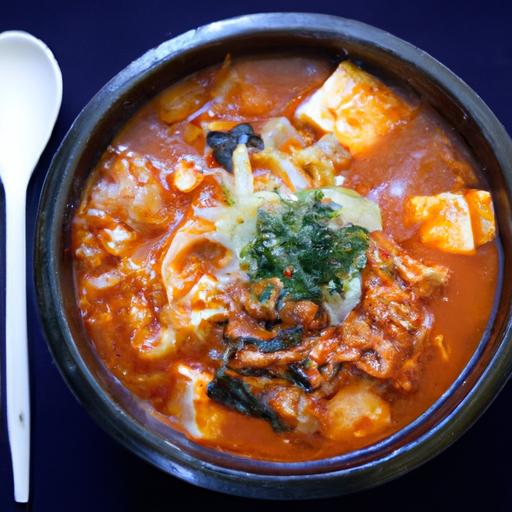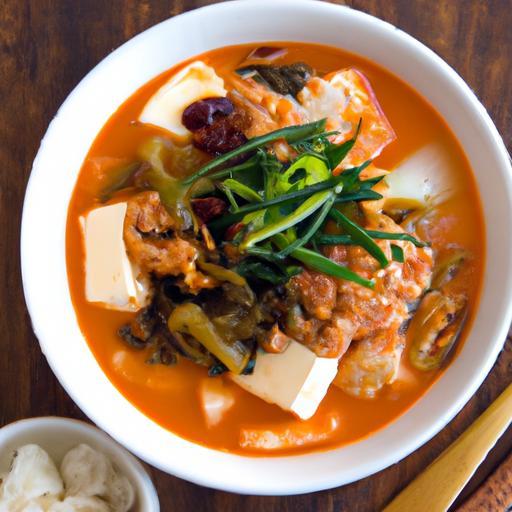

In the vibrant tapestry of Korean cuisine, few dishes spark as much warmth-and curiosity-as kimchi jjigae. This fiery, flavorful stew is much more then a comforting bowl of heat; it’s a culinary emblem steeped in history, culture, and tradition. From bubbling pots in humble homes to sizzling tables in trendy Seoul eateries, kimchi jjigae invites us to explore the bold flavors and hearty simplicity that define Korean cooking. Join us as we unveil the story behind this beloved stew, diving into its origins, ingredients, and the rich sensory experience that has captivated taste buds around the world.
The Origins and Evolution of Kimchi Jjigae
Kimchi Jjigae is more than just a stew-it’s a warm embrace of Korean culinary heritage that has evolved through centuries. Originating from the resourceful kitchens of Korea, this robust dish was traditionally crafted to make the moast of leftover aged kimchi, paired wiht simple, accessible ingredients. In times past, families simmered their kimchi with pork or tuna to transform scraps into a deeply flavorful, nourishing meal during harsh winters. Through the years,kimchi jjigae has blossomed into a beloved staple,with each household offering variations that reflect regional tastes and personal stories.
What truly sets kimchi jjigae apart is its ability to balance intense sourness of fermented kimchi with umami-rich broth, creating a fiery yet comforting stew that appeals to all senses. It’s this harmony that continues to draw food lovers worldwide,turning a humble stew into a celebrated comfort food.
Prep and cook Time
- Planning: 15 minutes
- Cooking: 45 minutes
- Total: 1 hour
yield
Serves 4 hearty portions
Difficulty Level
Medium - Perfect for home cooks eager to explore authentic Korean flavors
Essential Ingredients that Bring Kimchi Jjigae to Life
- 2 cups well-aged kimchi, chopped
- 6 oz pork belly, sliced thinly
- 1 small onion, sliced
- 3 cloves garlic, minced
- 1 tbsp gochugaru (Korean red chili flakes)
- 1 tbsp gochujang (Korean chili paste)
- 1 tbsp soy sauce
- 4 cups anchovy broth (or water)
- 1/2 cup tofu, cut into cubes
- 2 green onions, chopped (for garnish)
- 1 tsp sesame oil
- Optional: sliced mushrooms or zucchini for extra veggies
Mastering the Perfect Simmer: Cooking Techniques and Tips
- Sauté the pork belly and aromatics: In a heavy-bottomed pot, heat sesame oil over medium heat. Add the pork belly and cook until it starts to brown, about 5 minutes. Stir in garlic and onion, sautéing until fragrant and slightly softened.
- add the kimchi: Toss in the chopped kimchi, stirring for 3-4 minutes to release its sour aroma and deepen the flavor.
- Incorporate seasoning pastes: Stir in gochugaru, gochujang, and soy sauce. Mixing these in early ensures their heat and umami infuse thoroughly.
- pour the broth and simmer: Add anchovy broth and bring the stew to a boil. Once boiling, lower heat to medium-low and let it simmer gently for 30 minutes. This slow simmer melds flavors and tenderizes pork.
- Add tofu and finish cooking: Gently stir in tofu cubes, simmering another 10 minutes to warm through without breaking them apart.
- Adjust seasonings and garnish: Taste and add salt or extra soy sauce as needed. garnish with chopped green onions before serving to brighten the dish with fresh color and aroma.
Chef’s Notes
- For a seafood twist, substitute pork belly with canned tuna or fresh clams to explore alternate umami depths.
- When selecting kimchi, opt for well-fermented batches with a vibrant red color for the fullest flavor profile.
- Use a heavy-bottomed pot to prevent hot spots and achieve even simmering.
- Broth can be homemade anchovy stock or instant dashi for convenience without compromising authentic taste.
- kimchi jjigae often tastes better the next day as flavors continue to marry – feel free to prepare in advance!
Pairing and Serving Suggestions to Elevate Your Kimchi Jjigae Experience
The beauty of kimchi jjigae lies in its versatility for pairing. Serve steaming hot alongside fluffy steamed white rice-the mildness of the rice perfectly balances the stew’s fiery intensity.Adding a side of fresh banchan side dishes, such as crispy Korean seaweed or pickled radish, introduces delightful textural contrasts.
For beverage pairing, a crisp, slightly sweet Korean rice wine (makgeolli) or a light lager beer beautifully complements the stew’s bold heat and sour notes, cleansing the palate with every sip.
To garnish, sprinkle toasted sesame seeds or finely chopped fresh chili peppers for a visually striking and flavor-worthy finish. A cooling bowl of cucumber salad on the side offers a refreshing counterpoint to the dish’s warmth.

| Nutrient | Per Serving |
|---|---|
| Calories | 320 kcal |
| Protein | 18 g |
| Carbohydrates | 12 g |
| Fat | 22 g |
For an in-depth dive into kimchi fermentation techniques and additional Korean classics, be sure to check out our kimchi fermentation article. For authoritative background on Korean culinary history, visit korea.net.
Q&A
Q&A: Kimchi Jjigae Unveiled – Korea’s Fiery, Flavorful Stew
Q1: What exactly is Kimchi Jjigae?
A1: Kimchi Jjigae is a beloved Korean stew that brims with bold flavors and hearty warmth. At its core, it’s a bubbling pot of aged kimchi, tofu, pork or tuna, and a spicy broth that harmonizes sour, spicy, and savory notes – a true comfort dish in Korean cuisine.
Q2: Why is kimchi the star ingredient?
A2: Kimchi, Korea’s iconic fermented cabbage, isn’t just a side dish; it’s the soul of Kimchi Jjigae. Its tangy, pungent bite and rich umami flavor create the stew’s signature depth, while its natural fermentation lends a lively complexity that transforms the broth into somthing magical.
Q3: How spicy is Kimchi Jjigae?
A3: The spice level can vary from mildly warm to tongue-tingling fire, depending on the recipe and the kimchi used. The stew’s heat comes mainly from gochugaru (Korean red pepper flakes) and sometimes fresh chili peppers – but it’s never just about heat; it’s a balanced dance of flavors.
Q4: What makes Kimchi Jjigae different from other Korean stews?
A4: While there are many jjigae varieties, kimchi jjigae stands out due to its fermented base and the complexity that aging adds. Unlike soybean paste or soft tofu stews, this one carries a distinctive sourness that wakes up the palate and pairs beautifully with rice.
Q5: can Kimchi Jjigae be customized?
A5: Absolutely! Though conventional recipes call for pork belly or tuna, variations exist with seafood, mushrooms, or even vegetarian-kind ingredients. Swapping tofu types, adjusting spice levels, or adding extra veggies lets you make it your own fiery masterpiece.
Q6: Is Kimchi Jjigae good for all seasons?
A6: Definitely! Its warming qualities make it perfect for chilly winters, but its vibrant, tangy flavors also refresh the senses in warmer months. In Korean households, it’s often a daily staple irrespective of season – proof that good food knows no weather.
Q7: How is Kimchi Jjigae traditionally served?
A7: Usually, it’s ladled steaming hot into a stone pot or clay bowl, accompanied by a bowl of steamed rice and various banchan (side dishes). Sharing it family-style encourages communal warmth, inviting everyone to savor the hearty stew together.
Q8: Where should beginners start if they want to try making Kimchi Jjigae?
A8: Start with well-fermented kimchi – the older and tangier, the better. Use a simple broth base (water or anchovy stock), add protein like pork belly, tofu, and green onions, then season with gochugaru and a splash of soy sauce. Simmer gently to let all flavors meld into that signature fiery, flavorful stew.
Q9: What cultural meaning does Kimchi Jjigae hold in Korea?
A9: Beyond its deliciousness, Kimchi Jjigae embodies Korean resilience and tradition. It’s often made from daily leftovers, showcasing frugality and resourcefulness. It connects generations around the dinner table, serving as a flavorful reminder of home, hearth, and heritage.
Q10: Why should food lovers around the world explore Kimchi Jjigae?
A10: As it’s more than a stew – it’s an experience. Each spoonful offers a symphony of heat, tang, and umami that tells a story of Korean culture, fermentation mastery, and culinary passion. It’s a fiery invitation to dive deep into Korea’s rich food landscape, one bowl at a time.
closing Remarks
As the steam rises from a bubbling pot of kimchi jjigae, so too does the spirit of Korean culinary tradition-vibrant, bold, and deeply woven into the fabric of everyday life. This fiery stew, with its tangy, complex layers of flavor, invites us not onyl to savor a dish but to experience a story of resilience, community, and heritage simmering in every spoonful. whether enjoyed at a bustling Seoul eatery or recreated in your own kitchen, kimchi jjigae stands as a testament to Korea’s rich gastronomic tapestry-a warm, comforting embrace that beckons food lovers to dive into its spicy depths again and again. So next time you crave a meal that ignites the senses and nurtures the soul, remember: kimchi jjigae isn’t just stew-it’s Korea’s fiery heart unveiled.