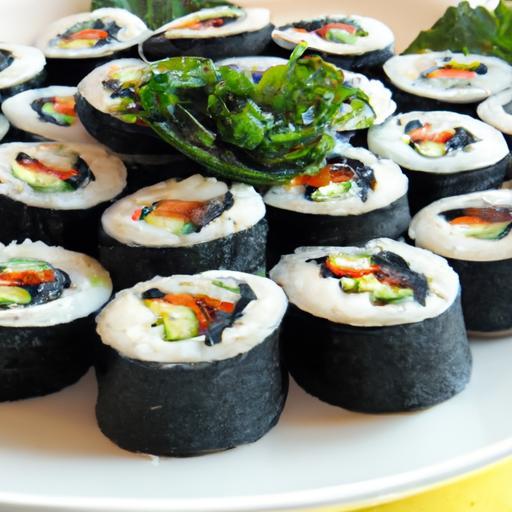

Wrapped in delicate sheets of seaweed and bursting with vibrant fillings, Korean gimbap is more than just a meal-it’s a flavorful journey through the heart of Korea’s culinary tradition. Frequently enough mistaken for its Japanese cousin sushi, gimbap offers a unique harmony of tastes and textures that reflects the country’s rich history and regional diversity. From the humble lunchbox staple to festive gatherings, each roll tells a story, inviting you to explore the art of layering ingredients and savoring every bite. Join us as we unravel the secrets behind Korean gimbap, uncover its cultural roots, and celebrate the irresistible appeal of these seaweed rice rolls that have won hearts far beyond Korea’s borders.
Korean Gimbap: A Flavorful Journey Through Seaweed Rice Rolls
Korean gimbap is much more than just a simple seaweed rice roll; it is indeed a vibrant expression of Korean culture, packed with layers of flavor, texture, and history. From humble street food stalls to family picnics, the combination of seasoned rice enveloped in toasty seaweed, filled with colorful ingredients, has captivated hearts across the globe. This recipe guide will empower you to recreate the authentic Korean gimbap experience at home, using traditional rolling techniques perfected over generations, and exploring both classic and modern fillings that reflect Korea’s culinary heart.
Prep and Cook Time
- preparation: 30 minutes
- Cooking: 20 minutes
- Total Time: 50 minutes
Yield
Serves 4 – yields approximately 8 rolls (cut into 32 pieces)
Difficulty Level
Medium - perfect for home cooks ready to elevate their rolling skills
Ingredients
- 2 cups short-grain Korean rice (washed and cooked)
- 2 tbsp sesame oil,plus extra for brushing
- 1½ tsp fine sea salt
- 6 sheets roasted gim (korean seaweed sheets)
- 4 large eggs
- ½ tsp salt (for eggs)
- 1 medium carrot,julienned
- 1 medium cucumber,julienned and lightly salted
- 100g cooked beef bulgogi or imitation crab sticks (optional)
- 6-8 yellow pickled radish strips (danmuji)
- 2 tsp vegetable oil (for sautéing vegetables)
- 1 tbsp toasted sesame seeds,for garnish
Instructions
- Prepare the rice: Rinse the rice under cold water until the water runs clear. Cook according to rice cooker instructions or stovetop method. Once cooked, gently fluff and stir in 2 tbsp sesame oil and 1½ tsp salt. Allow to cool slightly.
- Make the egg strips: beat eggs with ½ tsp salt. Heat a non-stick pan over medium heat and cook a thin omelette layer. Once set, remove and slice into thin strips about ¼-inch wide.
- Sauté vegetables: In a pan, heat 2 tsp vegetable oil. add julienned carrots and sauté until tender but still crisp, about 3-4 minutes. Set aside to cool.
- Prepare cucumber: lightly salt the cucumber juliennes and drain excess moisture after 10 minutes.This prevents soggy rolls and adds crunch.
- Set up your rolling station: Place a bamboo rolling mat on a clean surface.Lay one sheet of roasted gim shiny side down.
- Spread the rice: With wet hands (to prevent sticking),spread a thin,even layer of rice over the seaweed,leaving a 1½-inch border along the top edge.
- Add fillings: In a horizontal line near the bottom edge,neatly lay down egg strips,sautéed carrots,cucumber,beef bulgogi (or crab sticks),and yellow pickled radish.
- Roll the gimbap: Using the bamboo mat,lift the edge closest to you and roll firmly but gently away from you,tucking in the fillings tightly as you go. Press along the roll as you continue to seal and shape it.
- Slice and serve: brush the finished roll lightly with sesame oil and sprinkle toasted sesame seeds on top. Using a sharp knife, slice into bite-sized pieces about ½ inch thick. For tidy slices, wipe the knife blade with a damp towel between cuts.
Tips for Success
- Rice Texture: Use freshly cooked short-grain rice for the perfect sticky consistency enabling easy rolling.
- Rolling Technique: Firm but gentle rolling preserves shape without squishing ingredients. Don’t overload fillings.
- Ingredient Prep: Remove excess moisture from vegetables like cucumber to avoid soggy gimbap.
- Substitutions: Try fillings like seasoned spinach, kimchi, or grilled fish for unique variations.
- Advance Prep: Ingredients and rice can be prepared ahead, but roll gimbap just before serving for freshness.
Serving Suggestions
Present Korean gimbap on a long platter to showcase the colorful cross sections. Serve alongside classic Korean side dishes – such as spicy kimchi, crisp pickled radish, and a dipping sauce made with soy sauce, sesame oil, and a pinch of chili flakes. For a complete meal,accompany with a steaming bowl of hot seaweed soup or mild soybean paste stew (doenjang jjigae). garnish with extra sesame seeds and thin strips of seaweed for added visual appeal.

| Nutrient | Per Serving (4 pieces) |
|---|---|
| Calories | 220 kcal |
| Protein | 8 g |
| Carbohydrates | 35 g |
| Fat | 5 g |
For deeper insight into Korean cuisine and pairing ideas, explore our guide to authentic Korean side dishes. For authentic ingredients and cultural background, visit The Korea Herald’s culinary archives.
Q&A
Q&A: Korean Gimbap – A Flavorful Journey Through Seaweed Rice Rolls
Q1: What exactly is Korean Gimbap?
A1: Korean Gimbap (김밥) is a beloved savory dish made by rolling seasoned rice and a variety of fillings-like vegetables, proteins, and pickles-in a sheet of roasted seaweed (gim). Often referred to as Korea’s answer to sushi, gimbap is distinct in its flavors, ingredients, and cultural significance, offering a uniquely Korean culinary experience.
Q2: How did gimbap originate?
A2: Gimbap’s roots trace back to Korea’s Joseon Dynasty, but the modern form was popularized in the 20th century, especially after the Korean War. It evolved as a portable, nutritious meal for busy workers and students, combining local tastes with influences from Japanese sushi, but with heartier fillings and bold seasoning that made it uniquely Korean.
Q3: What ingredients typically go into gimbap?
A3: The foundation of gimbap includes short-grain white rice seasoned with sesame oil and a pinch of salt, rolled in a sheet of seaweed. Classic fillings often feature julienned carrots, pickled radish (danmuji), spinach, egg strips, and protein like bulgogi (marinated beef), crab sticks, or fish cake. Each ingredient is carefully prepped to balance flavors and textures.
Q4: How is gimbap different from Japanese sushi rolls?
A4: while both use rice and seaweed, gimbap rice is seasoned with sesame oil and salt, giving it a nutty, savory note, whereas sushi rice is typically seasoned with vinegar, sugar, and salt for a tangy sweetness.Also, gimbap fillings are cooked or pickled, offering a warm, familiar taste, whereas sushi highlights fresh, raw seafood. Gimbap is frequently enough larger and designed for portability and snacking.
Q5: Why is gimbap such a popular snack in Korean culture?
A5: Gimbap’s versatility and convenience make it perfect for picnics, school lunches, and road trips.It’s affordable, satisfying, and easy to share, embodying Korean values of communal dining. Its colorful appearance and harmonious blend of flavors also make it visually enticing and palate-pleasing, a true crowd-pleaser.
Q6: Are there regional variations of gimbap?
A6: Absolutely! While the standard version is widespread, regions add their own spin: Jeonju gimbap might include yukhoe (marinated raw beef), while Busan’s coastal influence brings in seafood variations. Some variations swap out rice for glass noodles or add spicy kimchi, reflecting Korea’s diverse local tastes.
Q7: Can gimbap be made vegetarian or vegan?
A7: Definitely! By swapping out meat and fish for tofu, mushrooms, or seasoned vegetables, gimbap remains a flavorful, satisfying meal for vegetarians and vegans. The key lies in maintaining the balance of textures and the signature sesame oil seasoning that defines its taste.
Q8: How should one eat and enjoy gimbap?
A8: Gimbap is typically sliced into bite-sized rounds for easy eating, often accompanied by pickled radish or kimchi to cut through the richness.It’s enjoyed at room temperature, making it an ideal portable snack. Savor each bite to appreciate the harmony between the chewy rice, crunchy vegetables, and savory seaweed.
Q9: Is gimbap healthy?
A9: Yes, gimbap is a relatively wholesome meal packed with carbs, protein, fiber, and vitamins. The seaweed offers iodine and minerals, while the variety of fillings adds nutritional balance. Because it’s usually homemade or freshly prepared, it avoids excessive preservatives or unhealthy additives, making it a great option for a balanced diet.
Q10: Where can someone try authentic Korean gimbap?
A10: Authentic gimbap can be found in Korean eateries worldwide-especially dedicated gimbap shops or street vendors in Korea’s bustling markets. Making gimbap at home is also a rewarding experience,allowing customization of fillings and savoring the hands-on crafting of this tasty Korean treasure. Whether from a food stall or your own kitchen, gimbap invites you on a tasty, flavorful journey through Korea’s rich food culture.
Future Outlook
as we unwrap the layers of korean gimbap, it becomes clear that this humble seaweed rice roll is much more than a simple snack-it’s a flavorful journey through Korea’s rich culinary tapestry. From the warm, vinegared rice to the vibrant medley of fillings, each bite tells a story of tradition, innovation, and shared moments around the table. Whether enjoyed as a fast lunch, a picnic delight, or a cultural exploration, gimbap invites us to savor not just the ingredients, but the heritage and heart woven into every roll.So next time you crave a taste of Korea, remember that gimbap offers a delicious gateway-wrapped neatly in seaweed and waiting to be discovered.