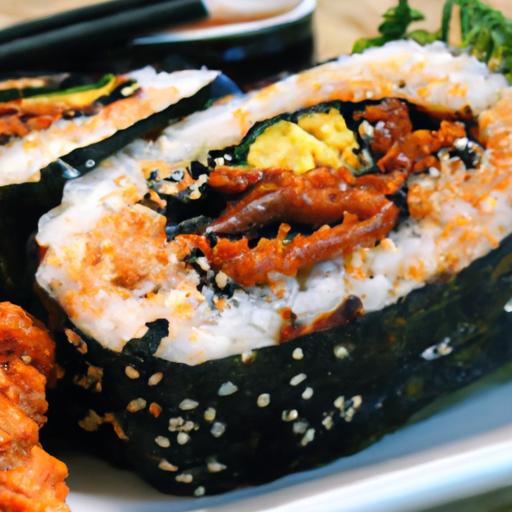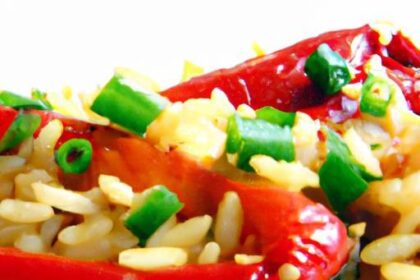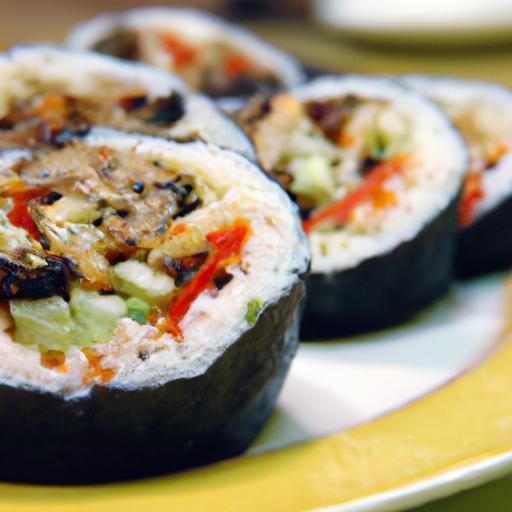

In the vibrant tapestry of Korean cuisine, few dishes capture the heart and soul of home-cooked comfort like Kimbap Bokkeumbap-an inventive twist on the beloved kimchi fried rice. This culinary gem marries the savory, tangy flavors of kimchi with the satisfying textures of fried rice, all while weaving in the familiar elements of kimbap for an unforgettable taste experience. As we dive into the world of Korean Kimbap Bokkeumbap, prepare to uncover the secrets behind this flavorful fusion, exploring how it transforms simple ingredients into a delightful party of tradition and innovation. Whether you’re a seasoned foodie or a curious newcomer, this kimchi fried rice delight promises to warm your palate and inspire your kitchen creations.
Korean Kimbap Bokkeumbap: Kimchi Fried Rice Delight Unveiled is more than just a meal-it’s a celebration of vibrant flavors and culinary heritage. This beloved Korean staple beautifully combines the tangy zest of fermented kimchi with the comforting essence of stir-fried rice, creating a dish that’s both nourishing and unforgettable. Originating from humble home kitchens,kimchi fried rice has transcended borders,becoming a global favourite for its ease,versatility,and depth of flavor. Personally, the aroma of sizzling garlic and kimchi wafting through the kitchen always signals warmth and comfort, inviting everyone around to gather and indulge.
Prep and Cook Time
- Planning Time: 10 minutes
- Cooking Time: 15 minutes
- Total Time: 25 minutes
Yield
Serves 3-4 hearty portions
Difficulty Level
Easy – Perfect for both beginners and seasoned cooks seeking quick, flavorful meals.
Essential Ingredients
- 3 cups cooked short-grain rice (preferably day-old, refrigerated for better texture)
- 1 cup well-fermented kimchi, chopped with its juice
- 2 tablespoons kimchi juice (from the kimchi container)
- 1 tablespoon vegetable oil or sesame oil for sautéing
- 1/2 small onion, finely diced
- 2 cloves garlic, minced
- 1 teaspoon gochujang (Korean red chili paste) for depth and mild heat
- 1 teaspoon soy sauce, for umami boost
- 2 green onions, thinly sliced for freshness
- 1 tablespoon toasted sesame seeds for garnish
- 2 large eggs (optional, for topping)
- Salt and pepper to taste
- 1 teaspoon sesame oil (to finish with aromatic richness)
Step-by-Step Instructions
- Prepare your rice. Use day-old rice chilled in the fridge; this prevents mushiness and helps each grain stay separate during frying.
- heat 1 tablespoon oil in a large non-stick skillet over medium-high heat. Add the diced onion and sauté for 2-3 minutes until translucent and fragrant.
- Add minced garlic and cook for 30 seconds more, stirring constantly to avoid burning.
- Introduce the chopped kimchi along with its juice and cook until slightly softened-about 3 minutes. This releases the tangy, spice-packed flavors into the pan.
- Mix in gochujang and soy sauce, stirring well to coat the kimchi and onions evenly.
- Add the chilled rice, breaking up any clumps with your spatula. Stir-fry everything together, pressing and folding the rice to absorb the kimchi flavors. Continue for 5-7 minutes or until the rice is heated through and just starting to get crisp.
- Season with salt and pepper, then drizzle with sesame oil for that signature aromatic finish. Toss to combine.
- Optional: In a separate pan, fry eggs sunny-side up or over-easy to crown your kimchi fried rice with richness and a velvety yolk.
- Turn off the heat and mix in sliced green onions, reserving some for garnish.
- plate your kimchi fried rice, top with the fried eggs if using, sprinkle generously with toasted sesame seeds, and add an extra few green onion slices for color and crunch.
Tips for Success
- Rice texture is key: Always use day-old rice when possible; fresh rice tends to become clumpy and sticky.
- Customize the heat: Adjust the amount of gochujang or kimchi juice to balance spice levels according to your preference.
- Protein boost: Feel free to add diced ham, spam, or tofu during the stir-fry for a more significant meal.
- Make ahead: Kimchi fried rice tastes great reheated.store leftovers in an airtight container and warm in a skillet with a splash of water or oil.
- Use quality kimchi: The flavor of the kimchi directly impacts the dish, so opt for well-fermented, vibrant kimchi for the best result.
Elevating with Perfect Pairings and Garnishes
To truly elevate your Korean Kimbap Bokkeumbap: Kimchi Fried Rice Delight Unveiled, pairing it with crisp, cool sides creates a balanced meal. Consider spicy cucumber salad or mild steamed broccoli to offset the rich, spicy flavors. Garnishes like crunchy seaweed flakes (gim) or pickled radish slices add layers of texture and traditional touches. A steaming bowl of hot miso soup or a glass of cold barley tea also pairs beautifully, rounding out the sensory experience.

| Nutrient | Per Serving |
|---|---|
| calories | 410 kcal |
| Protein | 12 g |
| Carbohydrates | 58 g |
| Fat | 10 g |
for a deeper dive into Korean cuisine, check out our comprehensive guide on maangchi’s authentic kimchi fried rice recipe, a trusted external resource for traditional techniques and variations.
Q&A
Q&A: Korean Kimbap Bokkeumbap – Kimchi Fried Rice Delight Unveiled
Q1: What exactly is Korean Kimbap bokkeumbap?
A1: Korean Kimbap Bokkeumbap is a vibrant fusion dish that marries the beloved elements of kimbap and kimchi fried rice. Imagine the savory, tangy punch of kimchi fried rice woven seamlessly with the comforting, seaweed-wrapped goodness of kimbap flavors-resulting in a delightful culinary crossover that’s both familiar and novel.
Q2: How does Kimbap Bokkeumbap differ from traditional kimchi fried rice?
A2: While classic kimchi fried rice centers around stir-frying rice with kimchi and often some protein, Kimbap Bokkeumbap takes it a step further by incorporating ingredients typical of kimbap-such as finely sliced vegetables, sesame oil, and sometimes small bits of fish cake or pickled radish-blending them directly into the fried rice. This creates a layered texture and flavor profile reminiscent of eating a deconstructed kimbap.
Q3: What ingredients are essential in making Korean Kimbap Bokkeumbap?
A3: Key players include day-old rice (for optimal texture), tangy fermented kimchi, crunchy vegetables like carrots and spinach, strips of seasoned egg, pickled radish (danmuji), toasted seaweed flakes (gim), sesame oil, and chili paste (gochujang) for that signature Korean kick. Some versions add diced pork or tuna for protein, making it a hearty meal.
Q4: Can Kimbap Bokkeumbap be customized for different dietary preferences?
A4: Absolutely! Vegetarian and vegan versions shine by swapping meat for tofu or mushrooms and using plant-based seasonings. for low-carb options, cauliflower rice can stand in for traditional rice. The beauty of Kimbap Bokkeumbap lies in its adaptability-just like kimbap itself, it’s a versatile canvas open to creative interpretation.
Q5: What makes Kimbap Bokkeumbap a must-try for Korean food lovers?
A5: This dish is like the ultimate comfort crossover-rich in umami from fermented kimchi and seaweed, balanced with fresh, crisp veggies and the hearty satisfaction of fried rice. It captures the essence of Korean flavors in one pan with minimal fuss, making it perfect for both beginners eager to explore Korean cuisine and seasoned foodies seeking new twists.
Q6: how is Kimbap Bokkeumbap typically served?
A6: Usually, it’s served hot off the stove, sprinkled with extra toasted seaweed flakes and sesame seeds. Some enjoy it topped with a fried egg for richness or a side of pickled vegetables to refresh the palate. It’s a vibrant, colorful dish that looks as appetizing as it tastes.
Q7: Any tips for cooking the perfect Kimbap Bokkeumbap at home?
A7: Use day-old rice for less stickiness and better frying texture. Don’t skimp on sesame oil-it’s the secret ingredient that infuses the dish with authentic Korean aroma. Also, balance the saltiness of kimchi with a touch of sugar or honey, and stir-fry on high heat for that delightful slight crispiness at the bottom, known as “noo-roong-ji.”
Q8: Where can one find authentic Kimbap Bokkeumbap outside Korea?
A8: Many Korean eateries worldwide are embracing fusion takes on classic dishes,and trendy Korean street food spots often feature this dish. Alternatively,it’s gaining popularity in home kitchens thanks to online recipes,making it an accessible and tasty way to connect with Korean culture no matter where you are.
Korean Kimbap Bokkeumbap is more than just fried rice-it’s a celebration of Korea’s vibrant culinary tapestry, inviting you to savor the harmony of tradition and innovation with every spoonful. Give it a try and let your taste buds embark on a savory adventure!
wrapping Up
As the savory scent of Korean Kimbap Bokkeumbap lingers on your palate, it’s clear that this dish is more than just a meal-it’s a vibrant celebration of Korea’s culinary artistry. By blending the humble ingredients of kimchi, rice, and kimbap into a harmonious symphony of flavors, this fried rice delight invites food lovers to explore a new dimension of taste and texture. Whether you’re a seasoned foodie or a curious newcomer, embracing Kimbap Bokkeumbap is uncovering a delicious chapter in the story of Korean cuisine-one that promises comfort, creativity, and a perfect bite every time.So next time you’re craving something both familiar and fresh, let this kimchi fried rice masterpiece be your go-to dish, and savor the magic it brings to your table.