
Crisp, vibrant, and bursting with a subtle tang, Korean Kongnamul Muchim offers a refreshing dive into teh heart of Korean cuisine. This zesty soybean sprout salad, often overlooked by the uninitiated, is a humble yet indispensable side dish that elevates any meal with its bright flavors and satisfying crunch. beyond its simple ingredients lies a story of tradition, nutrition, and culinary finesse-a perfect harmony of sesame, garlic, and spice that awakens the palate and invites you to experience Korea’s knack for transforming everyday vegetables into unforgettable bites. Join us as we reveal the secrets behind Kongnamul Muchim, uncovering the art and heritage stitched into each sprout.
Korean Kongnamul Muchim: A Zesty Soybean Sprout Salad Reveal invites you into the heart of Korean home cooking where tradition meets vibrant flavor. This humble yet flavorful side dish, steeped in history, showcases the beauty of simple ingredients transformed through skillful seasoning and technique. Originating as a staple banchan (side dish) in Korean households, kongnamul muchim carries cultural meaning as a symbol of nourishment and communal sharing, often accompanying meals that celebrate family and seasonal harvests. Its crisp, refreshing texture and zesty seasoning provide balance to rich, hearty Korean mains, making it an essential element in customary tables both past and present.
Prep and Cook Time
- Readiness: 10 minutes
- Cooking: 7 minutes
- Total Time: 17 minutes
Yield
serves 4 as an accompaniment or banchan
Difficulty Level
Easy – Perfect for beginners and seasoned cooks alike
Essential Ingredients for the perfect Zesty Soybean Sprout Salad
- 300g fresh soybean sprouts, rinsed thoroughly with cool water, sorted for firmness
- 2 cloves garlic, finely minced for aromatic depth
- 2 scallions, sliced thinly on the bias for a mild onion freshness
- 1 tablespoon soy sauce, light or regular, depending on salt preference
- 1 tablespoon toasted sesame oil to evocate a rich, nutty aroma
- 1 teaspoon Korean chili flakes (gochugaru), adjust for gentle heat
- 1 teaspoon toasted sesame seeds, freshly ground for texture and fragrance
- 1/4 teaspoon sea salt, or to taste, to enhance natural flavors
- Optional: A squeeze of fresh lemon juice or a small pinch of sugar for added zing or subtle sweetness
Step-by-Step Guide to Achieving Balanced Flavors and Textures
- Blanch the Soybean Sprouts: Bring a large pot of water to boil. Add the rinsed soybean sprouts, blanching them for exactly 2-3 minutes untill they soften just enough to release their freshness but retain a satisfying crunch. Drain immediately and rinse under cold water to halt cooking and set the crisp texture. Gently press to remove excess water without crushing.
- Prepare the Seasoning: in a mixing bowl, combine minced garlic, sliced scallions, soy sauce, toasted sesame oil, chili flakes, and sea salt. Whisk these together to marry the flavors robustly.
- Toss the Sprouts: Add the cooled soybean sprouts to the seasoning mixture. Using clean hands or tongs, toss gently but thoroughly to ensure even distribution of the zesty, savory blend throughout the sprouts.
- Finish with Sesame Seeds: Sprinkle toasted sesame seeds over the salad and give it one final gentle toss, allowing the light crunch and nutty aroma to infuse instantly.
- Optional Brightness: If desired, a touch of fresh lemon juice or sprinkle of sugar can be added here to tailor the balance of tanginess and sweetness to your palate.
Expert Tips for Serving and Storing Kongnamul Muchim
- Serve chilled or at room temperature as a refreshing banchan, complementing dishes like bibimbap or grilled meats for a vibrant textural contrast.
- Garnish with additional toasted sesame seeds or a delicate drizzle of sesame oil right before serving to revive aromas.
- For storing,place the salad in an airtight container and refrigerate for up to 2 days. Drain any excess liquid before serving to maintain ideal texture and flavor intensity.
- when sourcing ingredients, fresh soybean sprouts with intact tails and bright white stems yield the best crunch and visual appeal.
- for a nut-free option, skip the sesame oil and seeds; a splash of rice vinegar can enhance brightness instead.
Chef’s Notes: Tips for Success
- Balance is key: Soy sauce and chili flakes should be adjusted gradually. The dish thrives on harmony between savory, spicy, and nutty undertones.
- Don’t overcook: Overblanching soybean sprouts leads to limp,soggy texture,stripping away their refreshing bite.
- Enhance umami: A small piece of dried kelp (dashima) simmered with the blanching water infuses subtle complexity.
- Make-ahead friendly: Kongnamul muchim deepens in flavor after resting for an hour, making it ideal for preparing ahead of time.
Serving Suggestions
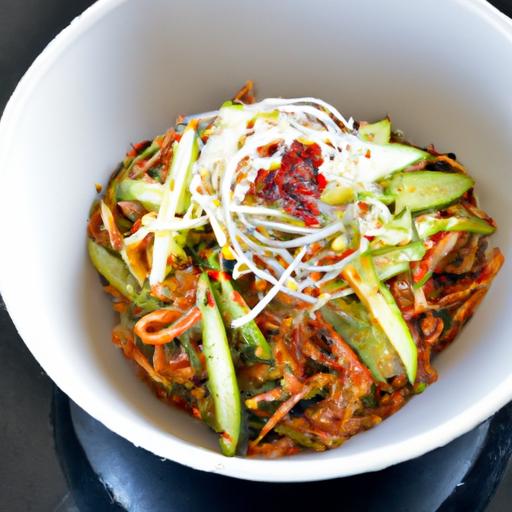
Present the salad in a shallow bowl or rustic ceramic dish that highlights the bright white and green hues, sprinkled artfully with sesame seeds. This vibrant zesty soybean sprout salad pairs beautifully with warm bowls of steamed rice, spicy kimchi, and grilled meats like bulgogi or galbi for a well-rounded Korean feast. For visual contrast, add a few slivers of red chili or a light drizzle of chili oil.
| Nutrient | amount per Serving |
|---|---|
| Calories | 70 kcal |
| Protein | 6 g |
| Carbohydrates | 7 g |
| Fat | 3.5 g |

For further exploration of authentic Korean banchan, explore our Ultimate Guide to Korean Side Dishes.To discover health benefits and cultural lore of soybean sprouts, visit this trusted study.
Q&A
Q&A: Korean Kongnamul Muchim – A Zesty Soybean sprout Salad reveal
Q1: What is Kongnamul Muchim?
A: Kongnamul Muchim is a classic korean side dish featuring blanched soybean sprouts seasoned with a vibrant mix of garlic, sesame oil, chili flakes, and soy sauce. It’s a simple yet flavorful salad that brings a refreshing crunch and a zesty punch to any meal.
Q2: Why are soybean sprouts the star of this dish?
A: Soybean sprouts are prized in Korean cuisine for their crisp texture and subtle nutty flavor. Packed with vitamins and minerals, they add a wholesome, springy bite that carries the seasoning beautifully, making Kongnamul Muchim both nutritious and delicious.
Q3: How is Kongnamul Muchim traditionally prepared?
A: The soybean sprouts are quickly blanched to retain their crunch and bright colour, then tossed with a dressing of minced garlic, toasted sesame seeds, sesame oil, soy sauce, and sometimes a touch of chili flakes for heat. The key is balancing the punchy flavors without overpowering the delicate sprouts.
Q4: What flavor profile can one expect from Kongnamul Muchim?
A: Expect a lively mix of savory, nutty, and slightly spicy flavors seasoned with fragrant garlic and toasted sesame oil. The dish balances freshness with umami depth, and the chili adds a gentle zing that wakes up your palate.
Q5: Is Kongnamul Muchim served hot or cold?
A: Traditionally, it is indeed served at room temperature or slightly chilled, making it a refreshing banchan (side dish) that complements hot, hearty Korean mains like bibimbap or grilled meats.
Q6: Can Kongnamul muchim be modified for dietary preferences?
A: Absolutely! It’s naturally vegan and gluten-free if you use tamari instead of soy sauce. You can adjust the chili flakes to your spice tolerance or toss in freshly chopped scallions or a squeeze of citrus for an added flavor twist.
Q7: What makes Kongnamul Muchim a must-try for those new to Korean cuisine?
A: This humble salad captures the essence of Korean flavor philosophy: simple ingredients elevated by thoughtful seasoning. It’s a perfect introduction to Korean banchan culture-easy to make, bursting with character, and a vibrant counterpoint to more complex dishes.
Q8: How can kongnamul Muchim enliven everyday meals?
A: Whether paired with rice bowls, added to wraps, or enjoyed as a crunchy salad, Kongnamul muchim brings brightness and zest. It’s the effortless way to add a punch of korean flair and nutrition to your weekly menu.
discover the magic of Kongnamul Muchim-a zesty soybean sprout salad that’s both soul-refreshing and palate-pleasing, weaving tradition into every crunchy bite!
In Retrospect
As we wrap up our exploration of Korean Kongnamul Muchim, it’s clear that this humble soybean sprout salad is far more than just a side dish-it’s a vibrant testament to korean culinary ingenuity. With its bright, zesty flavors and crisp texture, Kongnamul Muchim not only awakens the palate but also bridges tradition and simplicity in every bite. Whether you’re seeking a refreshing accompaniment or a nutritious boost, this salad offers a delightful glimpse into Korea’s kitchen secrets. So next time you crave something light yet lively, remember the magic of Kongnamul Muchim-a dish where modest sprouts take center stage and bring a burst of flavor to your table.