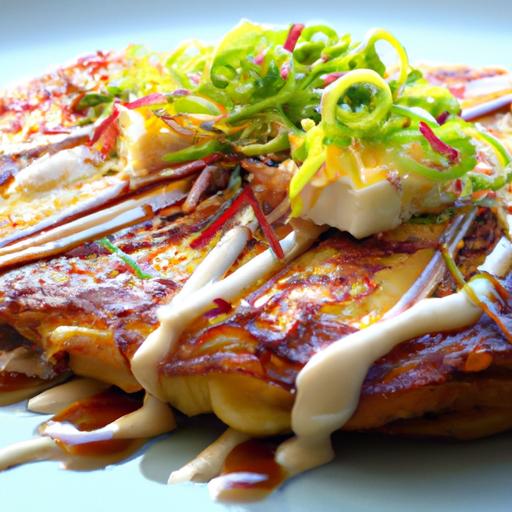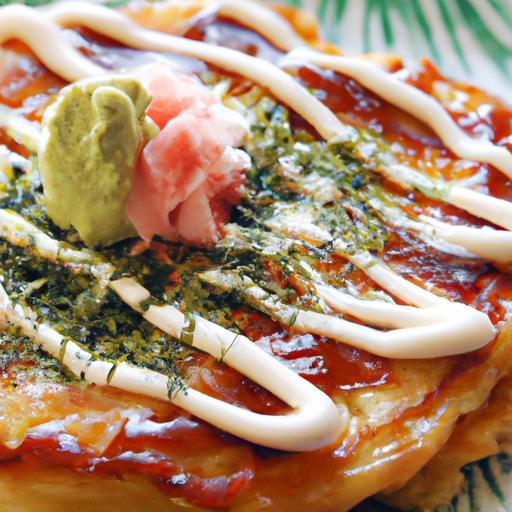

Hidden within the vibrant streets of Japan lies a culinary treasure that captures the heart and palate alike: okonomiyaki. Frequently enough described as a savory pancake, this dish is far more than a simple batter and toppings-itS a delightful symphony of flavors, textures, and regional traditions simmering on a griddle. From the bustling alleys of osaka to the coastal charm of hiroshima,okonomiyaki reveals not just a meal,but a story of culture,creativity,and comfort. Join us as we uncover the art and history behind Japan’s beloved savory pancake delight, exploring what makes this iconic dish a must-try for food enthusiasts around the world.
Okonomiyaki, Japan’s savory pancake delight, is a culinary treasure steeped in history and regional flair-each bite tells a story of craft, creativity, and comfort. This savory pancake, which originated in Osaka and Hiroshima, has transcended its humble roots to become a beloved dish throughout Japan and worldwide. The name itself means “grilled as you like it,” inviting cooks to customize their pancakes wiht a variety of ingredients and toppings. As an intimate experience, crafting okonomiyaki marries texture, umami, and colorful ingredients into a visually stunning and deeply satisfying meal. Drawing from my years of culinary styling, I’ve seen how the interplay of fresh cabbage, robust okonomiyaki sauce, and shredded dried seaweed offers endless opportunities to explore and celebrate Japanese home cooking.
Prep and Cook Time
- Readiness: 20 minutes
- Cooking: 15 minutes
- Total Time: 35 minutes
Yield
Serves 4 hearty portions
difficulty Level
Medium - beginner cooks can master it with some patience
Ingredients
- 1 cup all-purpose flour, sifted
- 2/3 cup dashi stock (or water with a pinch of dashi powder)
- 2 large eggs
- 3 cups finely shredded green cabbage
- 4 green onions, thinly sliced
- 100g thinly sliced pork belly or bacon strips
- 1/2 cup tenkasu (tempura scraps)
- 1/4 cup pickled ginger, chopped
- Okonomiyaki sauce (Japanese savory sauce, store-bought or homemade)
- Japanese mayonnaise
- Katsuobushi (bonito flakes)
- Aonori (dried green seaweed flakes)
- Vegetable oil for cooking
Instructions
- Prepare the batter: In a large bowl, whisk together the all-purpose flour and dashi stock until smooth. Lightly beat the eggs and fold into the mixture.
- Incorporate vegetables: Add shredded cabbage,sliced green onions,tenkasu,and pickled ginger to the batter. Stir gently to combine everything evenly; avoid overmixing to keep a tender texture.
- Heat the pan: Warm a large non-stick skillet or griddle over medium heat and coat lightly with vegetable oil.
- Cook the pancake base: Pour about one-quarter of the batter onto the skillet, spreading it into a circle roughly 7 inches in diameter and about 1/2 inch thick.
- Add the pork belly: Place thin slices evenly over the top of the pancake. Let cook for 5 minutes, allowing the base to set and the pork to start rendering fat.
- Flip carefully: Using a wide spatula, flip the pancake to cook the pork side down. press gently and cook another 5-7 minutes until the pork is crispy and the pancake is cooked through. Cover with a lid if needed to steam the center gently.
- Flip again for finishing: Turn the pancake back one final time, pork side up, to ensure surface crispness and prevent burning.
- Plate and garnish: Transfer to a serving plate. Generously brush with okonomiyaki sauce and drizzle with Japanese mayonnaise in a crisscross pattern.
- Add the toppings: Sprinkle katsuobushi and aonori on top. Watch the bonito flakes dance from the heat-an authentic visual delight!
- Serve promptly: Slice into wedges and enjoy warm,savoring the contrast of crunchy pork,tender cabbage,and rich sauce.
Tips for Success
- Customize with regional twists: Try the Hiroshima style by adding layers of yakisoba noodles or a fried egg on top for extra indulgence.
- Ingredient substitutions: Use shrimp, squid, or even cheese for different textures and flavors-okonomiyaki truly embraces creativity.
- Consistency matters: If the batter feels too thick, add a splash of water or dashi; if too runny, a little extra flour helps to firm it up.
- make-ahead batter: Prepare the batter in advance and keep refrigerated for up to 24 hours to deepen flavors. Mix in fresh cabbage just before cooking.
- Use a well-seasoned pan: This prevents sticking and helps achieve that perfect golden crust which is key to authentic texture.
Serving Suggestions
Present your okonomiyaki alongside a refreshing cucumber sunomono salad or a steaming bowl of miso soup for a balanced meal. Garnish with fresh green onions or thinly sliced nori sheets for added color and texture. For a true celebration, pair with a chilled glass of sake or a crisp Japanese lager. Don’t forget chopsticks and plenty of napkins-the sauce is deliciously messy!
| Nutrient | Per Serving |
|---|---|
| Calories | 420 kcal |
| Protein | 18 g |
| Carbohydrates | 45 g |
| Fat | 15 g |
Explore More Japanese Cooking Basics
For an in-depth history and authentic variations, visit the Japan Guide on Okonomiyaki, a reputable resource on Japanese culture and cuisine.

Q&A
Q&A: Okonomiyaki Uncovered – Japan’s Savory Pancake Delight
Q1: What exactly is okonomiyaki?
A1: Imagine a savory pancake that’s part culinary canvas, part comfort food. Okonomiyaki is a beloved Japanese dish made by mixing flour-based batter with shredded cabbage, eggs, and a variety of ingredients like pork, seafood, or cheese. Cooked on a hot griddle until crispy on the outside and tender inside, it’s then topped with a luscious sweet-savory sauce, mayo, bonito flakes, and sometimes seaweed powder. The name literally means “grilled as you like it,” showcasing its customizable nature.
Q2: Where in Japan did okonomiyaki originate?
A2: While versions of savory pancakes have existed in Japan for centuries, the modern okonomiyaki we know today was popularized during the post-war era, notably in Hiroshima and Osaka. these two cities have distinct styles-Hiroshima-style layers the ingredients rather than mixing them, while Osaka-style blends everything into one batter before grilling.
Q3: What makes okonomiyaki unique compared to other pancakes?
A3: Unlike sweet breakfast pancakes dusted in sugar or drenched in syrup, okonomiyaki is a hearty, umami-packed meal. Its beauty lies in the balance of textures and flavors-from the crunch of cabbage to the melt of cheese or the bite of seafood. plus,the theatrical flair of watching chefs flip these savory stacks on a sizzling teppan adds to its charm.
Q4: Can you customize okonomiyaki?
A4: Absolutely! True to its name, you can tailor okonomiyaki with your favorite ingredients. Some popular add-ins include shrimp, squid, pork belly, mochi, or even noodles (as in Hiroshima style). Vegetarians can opt for mushrooms, corn, or cheese. The key is layering flavors and textures that delight your palate.
Q5: How is okonomiyaki typically enjoyed in Japan?
A5: Okonomiyaki is often a social dish, perfect for gatherings. Restaurants frequently offer teppan tables where diners cook their own okonomiyaki right in front of them, turning the meal into an interactive experience. It’s casual, fun, and filling-a true crowd-pleaser.Q6: Are there any cultural traditions or etiquette linked to eating okonomiyaki?
A6: While there’s no formal ritual, savoring okonomiyaki with chopsticks and a small spatula (called a “kote”) is the way to go. Sharing bite-sized portions encourages conversation and connection. It’s a dish that invites communal enjoyment rather than solo dining.
Q7: Can I try making okonomiyaki at home? Any tips?
A7: Definitely! Making okonomiyaki can be a delightful kitchen adventure. Use finely shredded cabbage, mix the batter gently, and don’t rush the cooking-medium heat helps achieve that golden crust. If you don’t have a griddle,a nonstick skillet works fine. And remember, the magic lies in the sauce-okonomiyaki sauce is a tangy, slightly sweet condiment you can find in Asian markets or recreate with a blend of Worcestershire sauce, ketchup, and soy sauce.
Q8: Why has okonomiyaki remained so popular in Japan and beyond?
A8: Okonomiyaki’s enduring appeal stems from its comforting combination of flavors, adaptability, and the joyful experience of making and sharing it. It captures the spirit of Japanese home cooking-simple ingredients elevated through technique and love-and offers a flavorful snapshot of culture on a plate. Plus, once you’ve had your first bite, it’s hard not to crave another!
Uncovering okonomiyaki means diving into a savory pancake tradition that’s as rich in history as it is indeed in flavor-ready to be savored, shared, and celebrated. Whether in bustling Osaka streets or your own kitchen, it’s a taste of Japan’s hearty soul.
Final Thoughts
From the sizzling griddle to the final drizzles of tangy sauce and creamy mayo, okonomiyaki is more than just a dish-it’s a flavorful journey through Japan’s rich culinary tapestry. Whether enjoyed as a humble street snack or a celebratory feast, this savory pancake invites each diner to customize and savor it in their own unique way. So next time you encounter okonomiyaki, remember it’s not just about what’s on the plate, but the stories, culture, and joy folded into every bite. Dive in, explore, and let this delightful pancake uncover a new favorite chapter in your food adventures.