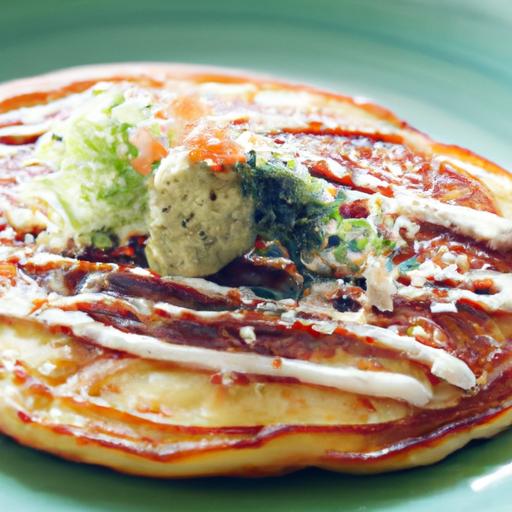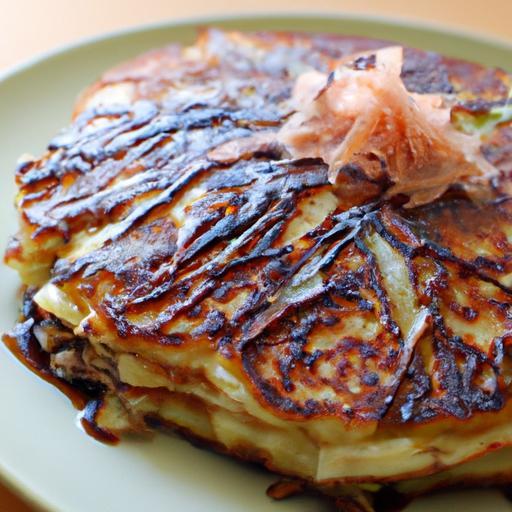

Imagine a dish that embodies the heart and soul of Japanese comfort food-where crispy edges meet a tender, flavorful center, topped with a cascade of savory sauces and a sprinkle of ocean-kissed ingredients. Welcome to the world of okonomiyaki, Japan’s beloved savory pancake that offers a deliciously customizable experience with every bite. More than just a meal, okonomiyaki is a culinary canvas reflecting regional traditions, local ingredients, and personal flair. In this article, we’ll peel back the layers of this iconic dish, exploring its history, cultural significance, and the irresistible flavors that have captivated taste buds across japan and beyond. Get ready to uncover the secrets behind okonomiyaki, the pancake delight that’s as versatile as it is unforgettable.
Okonomiyaki Unveiled is an invitation into the world of Japan’s savory pancake delight, a dish that masterfully blends simple ingredients into a symphony of textures and flavors. This iconic meal hails primarily from Osaka and Hiroshima but has woven its essence through numerous regional variations, each proudly showcasing local tastes and techniques.
Prep and Cook Time
Preparation: 20 minutes | Cooking: 15 minutes
Yield
serves 4 generous portions
Difficulty Level
medium – approachable for seasoned home cooks willing to learn a few simple but essential techniques.
Origins and Regional Variations of Okonomiyaki
Tracing the roots of okonomiyaki takes us back to pre-war Japan,where “pan-fried savory mixtures” first gained popularity as an affordable,nourishing street food.The name itself means “grilled as you like it,” reflecting the custom of incorporating a variety of ingredients per personal preference.Osaka’s version, sometimes called the “Japanese pizza,” is characterized by a well-mixed batter of cabbage, tempura scraps (tenkasu), green onions, and pork belly, all pan-fried into a thick, hearty pancake. Conversely, Hiroshima-style layers ingredients-starting with a thin crepe-like base, topped with cabbage, bean sprouts, noodles, and a fried egg, creating a multi-dimensional texture and taste experience.
While Osaka and Hiroshima styles dominate, lesser-known regional takes add distinct local flair. In Tokyo and Kansai, seafood varieties flourish with squid or shrimp, while in Kyushu, the addition of spicy mustard mayonnaise or kimchi often elevates the dish. This adaptability makes okonomiyaki a perfect canvas for culinary creativity and regional pride.
Essential Ingredients and Preparation Techniques
Key to a memorable okonomiyaki is the harmony between fluffy batter and crunchy vegetables. The batter itself is simple-flour, shredded cabbage, dashi stock (a savory seaweed and fish broth), eggs, and sometimes grated yam for extra moisture and fluffiness. Incorporating tenkasu adds delightful crunch,while thin slices of pork belly,shrimp,squid,or even cheese can be the star proteins.
Preparation requires attention to the consistency of the batter-it should be thick enough to hold shape but loose enough to allow even cooking. Layering (Hiroshima style) or mixing (Osaka style) are the defining techniques. Mastery of heat control on a flat iron griddle or heavy skillet is crucial; a medium heat lets the pancake gently cook through while achieving a crispy golden crust.
Secrets to Perfecting Yoru Okonomiyaki at Home
- Use fresh, finely shredded cabbage: This creates the signature crunch and moisture balance.
- Prep ingredients in advance: Have all vegetables, proteins, and toppings ready to go so you can work quickly once the batter is mixed.
- don’t overcrowd the pan: Give each okonomiyaki enough space and flip carefully once the edges firm up to avoid breaking.
- Low and slow is the mantra: Cook on medium heat to avoid raw batter inside or burnt exterior.
- Perfect the okonomiyaki sauce: A rich, sweet-savory sauce made from Worcestershire, ketchup, soy sauce, and mirin can elevate your pancake tremendously.
- Finish with the classics: Generous drizzles of Japanese mayonnaise, bonito flakes (katsuobushi), aonori (seaweed flakes), and pickled ginger add layers of flavor and iconic presentation flair.
Top Spots to Savor Okonomiyaki in Japan
Embarking on an okonomiyaki journey through Japan means visiting famed eateries where tradition meets vibrant atmosphere. In Osaka, neighborhoods like Dotonbori are lined with restaurants renowned for their signature take on the dish. Hiroshima’s Nagarekawa and Hatchobori districts offer unbelievable multilayered okonomiyaki experiences cooked live on griddles at counterside seating, perfect for watching master chefs work their magic.
For travelers eager to explore beyond the big cities, small family-run joints in Kyoto or the island of Miyajima offer regional variations served with a uniquely local touch. Discovering your favorite style through tasting and technique is as rewarding as preparing it yourself. Don’t forget to pair your okonomiyaki with a chilled glass of sake or a cold beer to enhance the experience.
ingredients
- 2 cups all-purpose flour,sifted
- 1 ½ cups dashi stock (or substitute with low-sodium chicken broth)
- 3 large eggs,beaten
- 4 cups finely shredded cabbage
- ½ cup tenkasu (tempura scraps)
- 4 thin slices pork belly or bacon
- 3 green onions,chopped
- ½ cup grated yam (optional,for extra fluffiness)
- Okonomiyaki sauce (store-bought or homemade)*
- Japanese mayonnaise
- Bonito flakes (katsuobushi)
- Aonori (dried seaweed flakes)
- Pickled ginger (optional)
Instructions
- Prepare the batter: In a large bowl,combine the sifted flour with dashi stock and grated yam (if using). Whisk until smooth and slightly thick.
- Add eggs and mix: Beat the eggs gently, then fold into the batter until incorporated but not overmixed.
- Incorporate the vegetables and toppings: Add shredded cabbage, tenkasu, and green onions. Stir gently to coat the vegetables evenly in the batter.
- Preheat your griddle or non-stick skillet: Use medium heat and lightly oil the surface to prevent sticking.
- pour batter onto the pan: form a round pancake approximately 7-8 inches in diameter. Arrange pork belly slices on top.
- Cook the okonomiyaki low and slow: Sauté until golden brown and the bottom is set, about 5-7 minutes.
- Flip carefully: Using two spatulas, turn the pancake over so the pork side is down.Cook for another 5-7 minutes until cooked through and crispy on the edges.
- Optional – Add a fried egg (Hiroshima style): on a separate pan,fry an egg sunny-side up and slide it onto the cooked okonomiyaki.
- Plate and garnish: Drizzle with okonomiyaki sauce and japanese mayonnaise in crisscross patterns. Sprinkle with bonito flakes, aonori, and serve with pickled ginger on the side.
Chef’s Notes & Tips for Success
- Ingredient swaps: Use shrimp, squid, or cheese for variation-okonomiyaki is meant to be customizable.
- Batter consistency: Too thick batter can led to undercooked centers; too thin will fall apart. aim for a thick cream consistency.
- make ahead: Mix the batter and chop vegetables in advance; assemble and cook just before eating.
- Keep warm: Place cooked okonomiyaki on a low oven rack to keep warm while finishing the rest.
- For a gluten-free twist: Substitute flour with a 1:1 gluten-free mix and ensure sauces are gluten-free.
Serving Suggestions
Serve your okonomiyaki piping hot directly from the griddle,paired with bold okonomiyaki sauce and creamy mayonnaise.Garnishing with fresh sliced green onions or a sprinkle of shichimi togarashi (Japanese seven-spice blend) adds a subtle heat. Offer pickled ginger on the side to refresh the palate. This dish pairs beautifully with chilled sake or light Japanese beer, making every bite a joyous celebration of umami and comfort.

| Nutrient | Per Serving |
|---|---|
| Calories | 420 kcal |
| protein | 18 g |
| Carbohydrates | 45 g |
| Fat | 15 g |
for more about Japanese comfort foods, explore our guide to conventional Japanese dishes.
Discover the rich culinary heritage of okonomiyaki and its beloved place in Japan’s food culture through this deep dive on Japan National Tourism Organization.
Q&A
Q&A: Okonomiyaki Unveiled – japan’s Savory Pancake Delight
Q1: What is okonomiyaki?
A1: often dubbed Japan’s savory pancake, Okonomiyaki is a delightful concoction of cabbage, batter, and a variety of fillings cooked on a griddle. The name itself means “grilled as you like it,” highlighting its customizable nature. It’s a hearty, flavorful dish that blends textures and tastes into one satisfying bite.
Q2: Where did Okonomiyaki originate?
A2: Okonomiyaki has roots tracing back to the Kansai region, particularly Osaka, and also Hiroshima, each boasting its unique style. While Osaka’s version mixes ingredients into the batter, Hiroshima’s layers them, often adding noodles for extra heartiness.It’s a dish deeply embedded in Japanese street food culture.
Q3: What are the key ingredients in Okonomiyaki?
A3: At its core, Okonomiyaki includes a wheat flour-based batter, shredded cabbage, eggs, and a protein such as pork belly, seafood, or even cheese. Toppings like Okonomiyaki sauce (a tangy, sweet-savory glaze), mayonnaise, bonito flakes, and seaweed flakes complete the culinary symphony.
Q4: How is Okonomiyaki traditionally prepared?
A4: The ingredients are mixed or layered on a hotplate called a teppan and cooked slowly until the exterior is crispy and golden while the inside remains tender. Flipping the pancake is an art, ensuring an even cook and that signature slightly charred crust. Once done,it’s lavishly garnished and ready to eat.
Q5: Why is Okonomiyaki so beloved in Japan?
A5: Beyond its comforting flavors, Okonomiyaki is a social dish often enjoyed with friends or family around a shared griddle. it embodies a spirit of creativity and togetherness-everyone gets to customize their pancake just the way they want it, making each meal a personal experience.
Q6: Can Okonomiyaki be adapted for different diets?
A6: Absolutely! Thanks to its flexible nature, Okonomiyaki can be made vegetarian, gluten-free (using choice flours), or vegan by swapping traditional ingredients. It’s a versatile canvas inviting endless innovation while keeping its beloved soul intact.
Q7: what’s the best way to enjoy Okonomiyaki?
A7: Whether at a bustling street stall in Osaka or a cozy home kitchen, the magic is in the sharing. Pair it with a cold beer or green tea, gather around the grill, and savor each rich, layered bite hot off the plate for an unforgettable taste of Japan’s culinary charm.
Final Thoughts
As the last bite of okonomiyaki melts on your tongue, you’re left with more than just a savory satisfaction-you carry with you a slice of Japan’s vibrant culinary tapestry. This humble pancake, layered with history, culture, and an endless array of flavors, invites both locals and travelers alike to savor creativity in every mouthful. Whether enjoyed sizzling off a teppan or crafted with your own hands, okonomiyaki is more than a dish; it’s a appetizing expression of Japan’s spirit-inviting you to explore, experiment, and most importantly, enjoy every savory moment. So next time hunger strikes, consider the delightful depths of okonomiyaki-it’s a pancake like no other, and a story worth tasting.