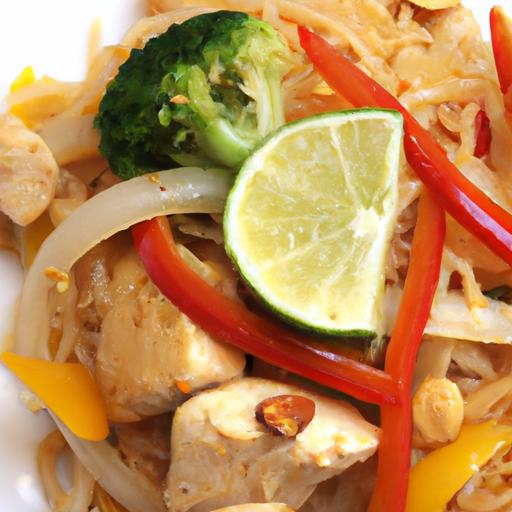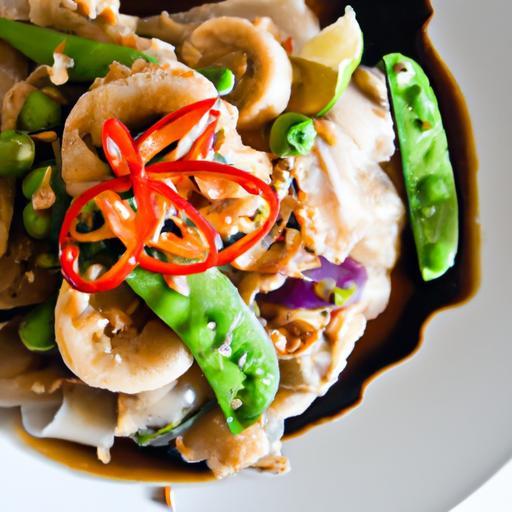

There’s something irresistibly captivating about Thai Drunken Noodles-known locally as Pad Kee Mao-that sets them apart from teh vast tapestry of Southeast Asian cuisine. Bursting with bold, harmonious flavors and a fiery kick that awakens the senses, this beloved street food favorite has earned a special place in the hearts of food lovers worldwide.But beyond its spicy, aromatic allure lies a story of tradition, innovation, and cultural nuance waiting to be savored.In this flavorful guide, we’ll journey through the origins, essential ingredients, and cooking secrets of Thai Drunken Noodles, unlocking the mystery behind its name and teaching you how to recreate this iconic dish in your own kitchen. Prepare to tantalize your palate and deepen your recognition for one of Thailand’s most vibrant culinary treasures.
Savor the Spice is not just an invitation to enjoy Thai Drunken Noodles; it’s a celebration of a dish that embodies the vibrant soul of Thai street food culture. Known locally as Pad Kee Mao, these noodles burst with bold flavors and a fiery kick, capturing an intoxicating blend of heat, sweetness, and umami that never fails to excite the palate. Originating from the bustling night markets of Thailand, the dish is said to have earned its “drunken” moniker because it’s the perfect cure for late-night revelry-induced hunger. This recipe guide will take you through the cultural roots, essential ingredients, crafting techniques, and insider tips, empowering you to recreate this iconic dish with authenticity and ease right in your kitchen.
Prep and Cook Time
- Prep Time: 15 minutes
- Cook Time: 10 minutes
- Total Time: 25 minutes
Yield
Serves 3-4 hungry diners
Difficulty Level
Medium – perfect for those cozy with wok cooking and balancing bold flavors
Key Ingredients that Create the Perfect Balance of Heat and Flavor
- Wide rice noodles (fresh if possible, about 8 oz) – the chewy canvas for the sauce
- Bird’s eye chilies (4-6, finely chopped) – for authentic heat that tingles
- Garlic (3 cloves, minced) – fragrant foundation
- Thai holy basil (a generous handful) – the herbaceous soul of this dish
- Soy sauce (2 tbsp) and dark soy sauce (1 tbsp) – salty depth and color
- Oyster sauce (2 tbsp) – luscious umami richness
- Fish sauce (1 tbsp) – subtle briny bite
- Light sugar (1 tsp) – to balance heat and salt
- Protein of choice: thinly sliced chicken, pork, shrimp, or tofu (8 oz)
- Vegetables: sliced bell peppers and onions for crunch
- Vegetable oil (2 tbsp) – for high-heat stir frying
Step-by-Step Techniques to Master Authentic Planning at Home
- Prepare the noodles: If using fresh wide rice noodles, gently separate and set aside. If dried, soak in warm water until pliable (about 10 minutes), then drain thoroughly to avoid sogginess.
- Mix the sauce: In a small bowl, combine soy sauce, dark soy sauce, oyster sauce, fish sauce, and sugar. Stir until the sugar fully dissolves – this balance is essential to achieve that signature flavor harmony.
- Heat the wok or skillet: Add vegetable oil over medium-high heat until shimmering but not smoking.
- Sauté aromatics and chilies: Add minced garlic and chopped bird’s eye chilies.Stir frequently to prevent burning, letting the spicy fragrance fill your kitchen for about 30 seconds.
- Cook the protein: Toss in your selected protein and stir-fry until just cooked through, about 3-4 minutes, ensuring pieces are bite-sized and evenly sealed.
- Add vegetables: Incorporate sliced bell peppers and onions, stir-frying until slightly softened but still crunchy to maintain texture contrast.
- Introduce noodles and sauce: Add the noodles to the wok, then pour in the sauce mixture. Using tongs or chopsticks, gently toss everything together to coat evenly without breaking the noodles, cooking for another 2-3 minutes until heated through.
- Finish with holy basil: Add the Thai holy basil leaves last, allowing them to wilt lightly from residual heat, infusing the dish with that fresh, almost peppery aroma. Toss gently and remove from heat promptly to preserve basil’s vibrant flavor.
Chef’s Notes: Tips for Success
- Freshness is key: Whenever possible, opt for fresh wide rice noodles for the ideal chewy texture. If not available, soak dried noodles just until pliable – over-soaking will ruin the mouthfeel.
- Adjusting heat: Bird’s eye chilies pack a punch; reduce or seed them if you prefer milder spice. Substitute with jalapeños for a different heat profile.
- Protein flexibility: Swap chicken for shrimp or tofu to suit dietary preferences. For a richer twist, finish with a fried egg on top.
- Make-ahead tips: Prepare the sauce in advance and store it refrigerated for up to a week – this saves a step on busy nights.
- prevent sticking: Ensure all ingredients are dry before stir-frying; moisture causes noodles to clump and steam rather than crisp.
Serving Suggestions
Serve your Thai Drunken Noodles hot from the wok, garnished with extra fresh Thai holy basil leaves for fragrance and a wedge of lime on the side to brighten each bite. A sprinkle of crushed peanuts adds delightful crunch, while a small bowl of chili vinegar offers a tangy contrast. Pair with a light,refreshing cucumber salad or cold Thai iced tea to balance the dish’s bold heat and flavors,creating a well-rounded meal experience.
| Nutrient | Per Serving |
|---|---|
| Calories | 430 |
| Protein | 28g |
| Carbohydrates | 52g |
| Fat | 12g |
Explore another Thai classic with our Authentic Thai Green Curry Recipe.
For an in-depth dive into Thai cuisine’s spices and cooking techniques, visit Serious Eats Thai Cooking Basics.

Q&A
Q&A: Savor the Spice – A Flavorful Guide to Thai Drunken Noodles
Q1: What exactly are Thai Drunken Noodles?
A1: Thai Drunken Noodles, or Pad Kee Mao, are a wildly popular street food dish known for their bold, fiery flavors and vibrant stir-fry goodness. Featuring wide rice noodles tossed with fresh vegetables, aromatic herbs, and a savory-spicy sauce, they deliver a perfect balance of heat, sweetness, and umami that awakens your taste buds like a flavorful party in your mouth.
Q2: Why are they called “Drunken Noodles”? Do they contain alcohol?
A2: Great question! Despite the name, Thai Drunken Noodles don’t actually contain alcohol.The legend goes that this dish is a late-night favorite,believed to be perfect for soaking up booze after a night out. Another theory suggests the intense spice “drunken” the eater with heat and flavor, rather than any actual intoxication.
Q3: What ingredients give Drunken Noodles their signature flavor?
A3: The magic comes from a harmonious blend of ingredients: wide rice noodles soaked in savory soy sauce and oyster sauce blends, punchy garlic, fresh chili peppers for that signature heat, sweet basil leaves for an aromatic kick, and frequently enough juicy chunks of protein like chicken, beef, or tofu. Lime and fish sauce typically make a cameo as well, rounding out the flavor profile with tangy umami brilliance.
Q4: How spicy are Drunken noodles? Can I customize the heat level?
A4: Drunken Noodles are famously spicy, but heat is totally adjustable. Whether you crave a mild whisper of warmth or a blazing fire, you can easily dial up or down the chili quantity, or swap fresh chili for mild variants. The beauty of this dish is that it adapts perfectly to your spice tolerance-without sacrificing its signature zest.
Q5: Can I make Drunken Noodles at home? Is it complicated?
A5: Absolutely! While it might sound intimidating, homemade Drunken Noodles are surprisingly accessible. With some basic pantry staples like wide rice noodles, soy sauce, garlic, and fresh herbs, you can whip up this dish in under 30 minutes. Plus, cooking at home means you control every flavorful detail-from protein choices to spiciness-making it a fun and satisfying culinary adventure.
Q6: Are Drunken Noodles gluten-free or vegan-pleasant?
A6: They can be! Traditional soy sauce contains gluten, but swapping it for tamari keeps the dish gluten-free. For a vegan or vegetarian twist, simply skip the oyster sauce (or substitute with mushroom-based alternatives) and use tofu or extra veggies instead of meat. The vibrant flavors remain intact, proving that Drunken Noodles are as versatile as they are delicious.
Q7: What do Thai Drunken Noodles pair well with?
A7: Since Drunken Noodles pack a flavor punch, they pair beautifully with cooler, milder sides. Think cucumber salad, coconut milk-based soups like Tom Kha, or a simple jasmine rice serving to balance the heat. A cold Thai iced tea or a refreshing lime soda on the side also complements the dish perfectly, cooling down the spice while enhancing the overall experience.Q8: Why are Thai Drunken Noodles a must-try for food lovers?
A8: More than just a dish, Drunken Noodles capture the essence of Thai street food culture-vibrant, spicy, and loaded with bold aromas and layers of taste. Every bite is a sensory journey through sweet, salty, spicy, and savory notes, delivering that addictive “one more bite” thrill. For food lovers eager to explore authentic flavors with a kick, Drunken Noodles are an irresistible gateway to Thailand’s culinary soul.
in summary
As you close this flavorful chapter on Thai drunken noodles, may your kitchen adventures be as bold and vibrant as the dish itself. Whether you’re chasing the perfect balance of fiery chilies, savory soy, and fragrant basil or simply seeking a quick indulgence, this guide invites you to savor every spicy, saucy bite. With each twirl of those slippery noodles, you’re not just tasting a meal-you’re embracing a flavorful story steeped in culture, tradition, and a dash of delightful chaos. So fire up your stove, gather your ingredients, and let the irresistible allure of drunken noodles lead your palate on an unforgettable journey. After all,great flavor is meant to be savored-sip by spicy,savory sip.