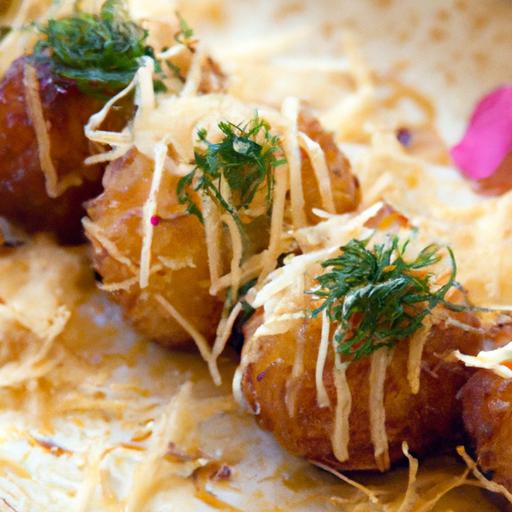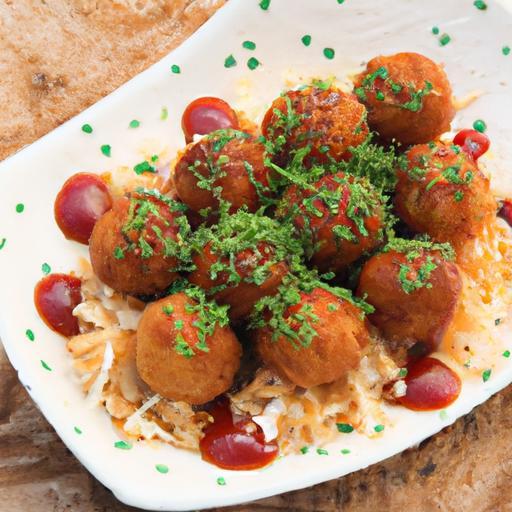

In the bustling streets of Japan, where vibrant neon signs flicker and the aroma of sizzling delicacies fills the air, one culinary treasure stands out as a beloved national icon: takoyaki. These golden, bite-sized octopus balls aren’t just food-they’re a cultural phenomenon, a playful dance of flavors and textures that captures the heart of Japanese street cuisine. From humble origins in Osaka to global fame, takoyaki has dazzled taste buds with its crispy exterior, tender octopus center, and a symphony of savory sauces. Join us as we unveil the story behind this iconic treat,exploring its history,ingredients,and the magic that makes every takoyaki morsel a true delight.
Takoyaki, Japan’s beloved octopus balls, delights palates with its perfect combination of a crispy exterior and a warm, savory center, capturing the essence of street food culture and culinary craftsmanship.This iconic dish originated in Osaka during the 1930s, evolving from earlier variations of grilled wheat-flour snacks. Its popularity spread across Japan, becoming synonymous with festivals, bustling markets, and the convivial spirit of communal eating.
Prep and Cook Time
- Preparation: 15 minutes
- Cooking: 20 minutes
- Total Time: 35 minutes
Yield
Approximately 20 takoyaki balls (serves 4)
Difficulty Level
Medium – requires a takoyaki pan and some practice to perfect the rolling technique
Ingredients
- 1 cup all-purpose flour,sifted
- 2 ½ cups dashi stock (homemade or instant)
- 2 large eggs
- 100g cooked octopus,cut into bite-sized pieces
- 3 tbsp tenkasu (tempura scraps)
- 3 stalks green onions,finely sliced
- 1/2 cup pickled red ginger (beni shoga),chopped
- Vegetable oil for greasing and cooking
- Takoyaki sauce for drizzling
- Japanese mayonnaise for topping
- Aonori (dried seaweed flakes) and katsuobushi (bonito flakes) for garnish
Instructions
- prepare the batter: In a large bowl,whisk together the sifted flour,dashi stock,and eggs until smooth and slightly runny,resembling crepe batter. This thin consistency allows the batter to fill the molds properly.
- heat the takoyaki pan: Place the pan on medium heat and generously oil each hole with vegetable oil, ensuring a non-stick surface.
- Fill the molds: pour the batter into each cavity until almost full. add a piece of octopus to each mold, followed by a sprinkling of tenkasu, green onions, and pickled ginger.
- Cook and turn: Let the batter cook for 2-3 minutes until the edges firm up.Using a skewer or takoyaki pick, carefully turn each ball 90 degrees to let uncooked batter flow out and form a round shape.
- Shape the takoyaki balls: Keep turning every minute or so to brown the exterior evenly, forming a golden ball approx. 5cm in diameter. This process takes about 10-15 minutes.
- Serve hot: Once crisp and golden, transfer to a plate. Drizzle with takoyaki sauce and Japanese mayo, then sprinkle with aonori and katsuobushi, which dance from the heat.
Tips for Success
- Batter consistency: Maintain a slightly thin batter for light, fluffy balls-too thick and the inside won’t cook properly.
- Cooking oil: Use a neutral oil with a high smoke point and be generous to prevent sticking.
- Rolling technique: Practice turning the balls gently; a bamboo skewer offers the best control.
- ingredient variations: Substitute octopus with shrimp, cheese, or vegetables for innovative twists.
- Make-ahead: Prepare batter in advance but cook takoyaki fresh for optimal texture.
Serving Suggestions
Present takoyaki on a wooden board or customary plate to evoke street-food authenticity. Accompany with freshly grated ginger or a squeeze of lemon for brightness. Complement with a cold beer or green tea to balance the savory richness. For visual appeal, add a sprinkle of toasted sesame seeds or finely chopped shiso leaves.
| Nutrient | Per Serving (5 balls) |
|---|---|
| calories | 280 kcal |
| Protein | 15 g |
| Carbohydrates | 30 g |
| Fat | 9 g |

For those eager to dive deeper into Japanese street foods, check out our extensive guide on authentic Japanese street foods.And for cultural context, the Japan National Tourism Organization provides rich insights into regional festivals where takoyaki shines.
Q&A
Q&A: Takoyaki Unveiled - Japan’s Iconic Octopus Balls Delight
Q1: What exactly is Takoyaki?
A1: Takoyaki is a beloved Japanese street food consisting of small, round balls of batter filled with tender pieces of octopus (tako), tempura scraps, green onions, and pickled ginger. Cooked to golden perfection in a special molded pan, each bite delivers a crispy exterior with a molten, savory core.
Q2: How did takoyaki originate?
A2: Takoyaki was born in Osaka during the 1930s, credited to a street vendor named Tomekichi Endo. Inspired by Kansai’s love for grilled delicacies and inspired by an older dish called akashiyaki, he innovated by using octopus as the star ingredient. It quickly became a bustling city favorite and eventually a nationwide phenomenon.
Q3: What gives Takoyaki its unique flavor and texture?
A3: The secret lies in the interplay of textures and flavors: the crisp outer shell created by the hot iron molds contrasts beautifully with the tender, almost custard-like interior.Umami bursts come from the succulent octopus and dashi-infused batter, complemented by the smoky-sweet takoyaki sauce, tangy mayo, and delicate bonito flakes that dance atop each ball.
Q4: How is Takoyaki traditionally prepared?
A4: Takoyaki is crafted in a specialized pan with half-spherical molds. The cook ladles in the batter, then quickly drops in chopped octopus and garnishes. As the batter cooks, it’s skillfully turned with picks, rotating each ball until perfectly golden all around. The process demands precision and a practiced hand, blending art with culinary skill.
Q5: Can Takoyaki be customized?
A5: Absolutely! while the classic filling is octopus, variations abound. Some vendors substitute shrimp, cheese, or even mochi for a twist.Toppings can be tweaked too- spicy mayo,green seaweed powder,or citrusy ponzu add unique layers. This adaptability helps Takoyaki remain a vibrant, evolving street food favorite.
Q6: Where is the best place to try authentic Takoyaki?
A6: Osaka is indisputably the takoyaki capital, with countless street stalls and specialized shops offering freshly made balls that embody the city’s culinary spirit.Visiting bustling districts like Dotonbori guarantees a sensory feast.However, you’ll also find excellent Takoyaki across Japan, and increasingly worldwide.
Q7: Why has Takoyaki become such an iconic symbol of Japanese street food culture?
A7: Takoyaki captures the essence of Japan’s street food ethos-simple yet skillful, communal yet personal.It invites gathering, sharing, and savoring in bite-sized moments of joy. the dish’s rich history, distinctive taste, and interactive preparation make it more than just food-it’s a cultural experience wrapped in a warm, golden ball.
Q8: How can someone make Takoyaki at home?
A8: Home chefs can try their hand with specially designed Takoyaki pans, available online or in Asian markets. Essential ingredients include takoyaki flour or a mixture of wheat flour and dashi powder, boiled octopus, green onions, and traditional toppings.While mastering the flip takes patience, creating these delightful orbs is both fun and rewarding.
Discovering Takoyaki is like unwrapping a miniature treasure chest of flavor and tradition – proof that sometimes, the smallest bites can hold the biggest stories.
To Conclude
As the savory steam rises and the golden spheres of takoyaki continue to captivate taste buds around the world,this humble street snack stands as a flavorful emblem of Japan’s rich culinary tapestry.From bustling festival stalls to trendy urban eateries, takoyaki’s journey from a simple comfort food to an iconic delight reflects the artistry and communal spirit embedded in every bite.Whether you’re a seasoned foodie or a curious traveler, the essence of takoyaki invites you to savor not just its crispy exterior and tender octopus heart, but also the vibrant culture and joyful moments it represents. So next time you encounter this delightful ball of flavor, remember-you’re tasting more than food; you’re savoring a piece of Japan’s soul.