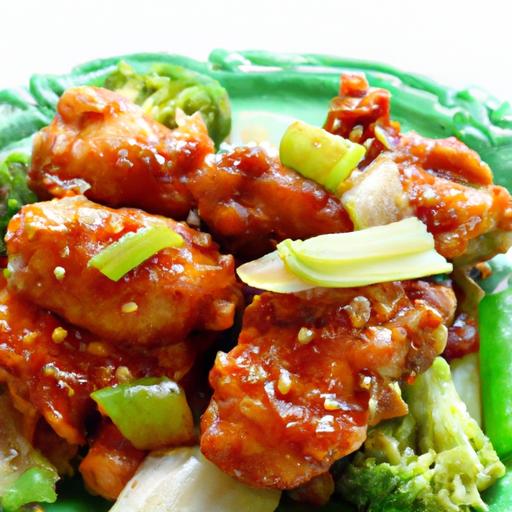
In the vibrant tapestry of American-Chinese cuisine, few dishes have achieved the iconic status of General Tso’s Chicken. Crispy, sweet, and spicy, it has become a beloved staple on menus far beyond its supposed origins. But beneath the glossy glaze and fiery kick lies a story that defies expectations-one of cultural fusion, culinary adaptation, and perhaps, a dash of serendipity.As we peel back the layers of this savory favorite, prepare to discover the unexpected origins of General Tso’s Chicken Delight-a tale as rich and complex as the dish itself.
General Tso’s Chicken Delight has captivated taste buds worldwide wiht its bold flavors and irresistible texture. Rooted in an intriguing blend of cultural influences, this dish is an exemplary showcase of how culinary traditions can evolve and unite to create something exceptional in kitchens from New York to Shanghai. Tracing the layers of history and innovation behind this global favorite not only enriches the cooking experience but inspires a deeper recognition for the art of fusion cuisine.
Prep and Cook Time
Preparation: 20 minutes | cook Time: 15 minutes | Total Time: 35 minutes
yield
Serves 4 hearty portions
Difficulty Level
Medium – perfect for adventurous cooks eager to elevate their home-cooked Chinese-American dishes
Ingredients
- 1 lb boneless, skinless chicken thighs, cut into bite-sized pieces
- 2 tbsp corn starch, for coating
- 1/2 cup vegetable oil, for frying
- 3 cloves garlic, finely minced
- 1 tbsp fresh ginger, grated
- 3 dried red chili peppers (adjust to taste)
- 1/4 cup low sodium soy sauce
- 2 tbsp rice vinegar
- 3 tbsp hoisin sauce
- 2 tbsp sugar
- 1 tbsp Shaoxing wine or dry sherry
- 1 tsp sesame oil
- 2 green onions, sliced thinly for garnish
- 1 tsp toasted sesame seeds (optional garnish)
Instructions
- Prepare the Chicken: Toss the chicken pieces in corn starch until fully coated but not clumpy. This step is crucial for that signature crispy exterior.
- heat the Oil: In a wok or large skillet,heat vegetable oil over medium-high heat. Test readiness by dropping a small piece of batter – it should sizzle immediately.
- Fry the Chicken: Fry chicken in batches to avoid overcrowding. Cook each batch until golden brown and crisp, about 4-5 minutes. Transfer to a paper towel-lined plate to drain excess oil.
- Sauté Aromatics: remove excess oil, leaving about 1 tablespoon in the pan. Add garlic,ginger,and dried red chili peppers. Sauté until fragrant, about 30 seconds, stirring constantly to avoid burning.
- Create the Sauce: Mix soy sauce, rice vinegar, hoisin sauce, sugar, Shaoxing wine, and sesame oil in a small bowl. Pour the mixture into the wok; bring to a gentle simmer to let sugars dissolve and flavors meld.
- Combine Chicken and Sauce: Return fried chicken to the pan. Toss quickly to coat even pieces with sauce, cooking for 1-2 minutes until the sauce thickens slightly and clings beautifully.
- Finish and Garnish: Remove from heat. Sprinkle sliced green onions and toasted sesame seeds over the top. Serve immediately for best texture and flavor.
Tips for Success
- Marinate for Depth: for extra tenderness, marinate the chicken in 1 tbsp soy sauce and 1 tsp rice wine for 15 minutes before coating with corn starch.
- adjust Heat Level: Feel free to add more dried chili or a splash of chili oil if you prefer a spicier dish.
- Gluten-Free Swap: Use tamari rather of soy sauce and potato starch rather than corn starch for a gluten-free alternative.
- Make-Ahead: Prepare the sauce in advance and store separately. Fry chicken fresh to maintain crispiness, then toss together just before serving.
Serving Suggestions
This dish shines when paired with steamed jasmine rice or fluffy brown rice to soak up the tantalizing sauce. For a balanced meal, serve alongside stir-fried bok choy or garlicky sautéed green beans. A garnish of thinly sliced scallions adds a fresh burst of color and flavor, while toasted sesame seeds offer a subtle crunch and nuttiness that completes the sensory experience.

Nutritional Details
| Per Serving | Calories | Protein | Carbohydrates | Fat |
|---|---|---|---|---|
| General Tso’s Chicken Delight | 550 kcal | 38 g | 32 g | 28 g |
Explore more about the heritage of Asian fusion dishes in our Exploring Asian Fusion Cuisine article. For detailed historical context, check out the National Geographic feature on general Tso’s Chicken.
Q&A
Q&A: The Unexpected Origins of General Tso’s Chicken Delight
Q1: Who exactly was General Tso,and why does this chicken dish bear his name?
A1: General Tso (or Zuo Zongtang) was a 19th-century qing Dynasty military leader known for his role in quelling rebellions in China. Interestingly, he had no direct connection to the chicken dish that carries his name. The dish is a culinary homage rather than a historical recipe from his kitchen.It’s more legend than lineage.Q2: If general Tso didn’t invent the dish, then where did it come from?
A2: The dish actually originated in Taiwan during the 1950s or 60s, crafted by Taiwanese chefs who were blending customary Chinese cooking with Western tastes. It was then popularized in the united States by Chinese immigrants who adapted it to suit American palates-crispy, sweet, slightly spicy, and utterly addictive.
Q3: What’s the “unexpected” part about its origins?
A3: Most people assume General Tso’s Chicken is a timeless Chinese classic. In reality, it’s a modern fusion creation born from cultural crossroads. The dish tells a story of immigration, adaptation, and the evolution of taste-a far cry from ancient Chinese banquet halls.
Q4: How did General Tso’s Chicken become so popular in America?
A4: Its American fame skyrocketed thanks to chefs like Peng Chang-kuei,a Hunanese refugee who brought the recipe stateside. He tailored it for American diners who favored bold and sweet flavors. The dish quickly became a staple in Chinese-American restaurants and, over time, an iconic comfort food.
Q5: Does the original Chinese version of the dish differ from the American one?
A5: Yes! The authentic Hunan version is less sweet, more spicy, and often uses different ingredients. The American version tends to be sweeter and fried to a crispy glaze, reflecting local taste preferences and ingredient availability.
Q6: Why does this story about General Tso’s Chicken matter?
A6: It reminds us that food is not static-it’s a living narrative. Behind every bite, there’s history, culture, and sometimes surprises that challenge our assumptions. General Tso’s Chicken Delight is a tasty example of how global cuisines evolve in unexpected and delightful ways.
Concluding Remarks
From a twist of history to a fusion of flavors, the story of General Tso’s Chicken Delight is as rich and surprising as its taste. what began as a culinary experiment bridging East and West has as become a beloved staple on tables around the world, reminding us that food is more than sustenance-it’s a story waiting to be discovered. So next time you savor those crispy, spicy bites, remember: behind every mouthwatering dish lies a journey full of unexpected origins, cultural connections, and a dash of serendipity.