
in the world of culinary wonders, few dishes embody the delicate balance of tradition, flavor, and nourishment quite like Japanese miso soup. This humble broth, often served as a comforting start to a meal or a quiet moment of reflection, is a masterclass in umami-the elusive fifth taste that transcends sweet, salty, sour, and bitter. Unlocking umami is more than just savoring a soup; its an exploration into the artful fermentation of soybeans, the alchemy of kombu and katsuobushi, and the cultural heritage steeped in every steaming bowl. Join us as we delve into the science and soul behind miso soup, revealing how this ancient elixir continues to captivate palates and inspire chefs worldwide.
Unlocking umami in Japanese miso soup is about embracing the harmony of tradition, technique, and carefully chosen ingredients that together create a soul-warming broth. This iconic staple of japanese cuisine carries centuries of culinary heritage, offering a comforting, deeply savory experience that transcends a simple soup. From my early days experimenting in a tiny home kitchen, discovering the perfect balance of fermented miso and delicate dashi broth became both a passion and an art form.
Prep and Cook Time
- Preparation: 10 minutes
- Cooking: 20 minutes
- Total Time: 30 minutes
Yield
Serves 4 generously
Difficulty Level
Easy – suitable for both beginners and seasoned cooks aiming to perfect their broth.
Ingredients
- 5 cups dashi stock (preferably homemade or high-quality kombu & bonito flakes)
- 4 tbsp white miso paste (shiro miso, for a mild and subtly sweet flavor)
- 1/2 cup firm tofu, cut into 1/2-inch cubes
- 2 tbsp wakame seaweed, soaked and drained
- 3 scallions, thinly sliced on the bias
- Optional: enoki mushrooms, sliced shiitake, or daikon radish slices for creative twists
Instructions
- Prepare the Dashi Stock: If using instant dashi granules, dissolve them in 5 cups of warm water. For a richer umami base,simmer kombu and bonito flakes as per customary methods and strain carefully.
- Rehydrate Wakame: place dried wakame in a small bowl of cold water for 5 minutes. Once expanded, drain and set aside. This brings a subtle oceanic depth.
- Warm the Broth: Bring the dashi stock to a gentle simmer over medium heat, ensuring it does not boil vigorously to preserve the delicate flavors.
- Dissolve the Miso: In a small bowl,ladle about 1 cup of hot dashi and whisk in the miso paste until smooth. Pour this mixture back into the pot off the heat to avoid killing the beneficial enzymes that create umami.
- Add Tofu and Wakame: Gently stir in tofu cubes and wakame. Let them warm through in the residual heat for about 2 minutes.
- Finish with Scallions: Add sliced scallions just before serving to maintain their fresh, crisp bite and vibrant color.
- Serve Instantly: Ladle the soup into bowls, ensuring an even distribution of tofu, wakame, and scallions for a harmonious presentation.
Tips for Success
- Balance Your Miso: Adjust miso quantities to taste; stronger miso varieties (e.g., red or mixed) can enhance richness but may overpower the broth-start with less and add gradually.
- Keep it Gentle: Avoid boiling the soup once miso is added, as boiling destroys the delicate umami compounds and alters the flavor.
- Make-Ahead Note: Store dashi stock separately from miso paste; mix and heat just before serving to maintain vibrant flavors.
- Creative Add-ins: Try adding thinly sliced mushrooms or a sprinkle of toasted sesame seeds to elevate texture and flavor complexity.
- Vegetarian/Vegan Version: Use kombu-only dashi for a flavorful plant-based umami broth without bonito flakes.
Serving Suggestions
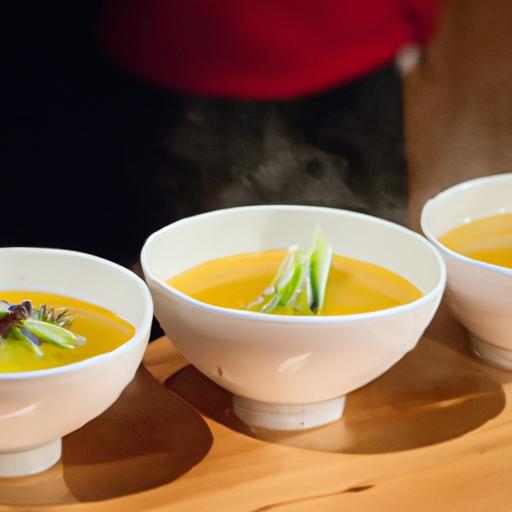
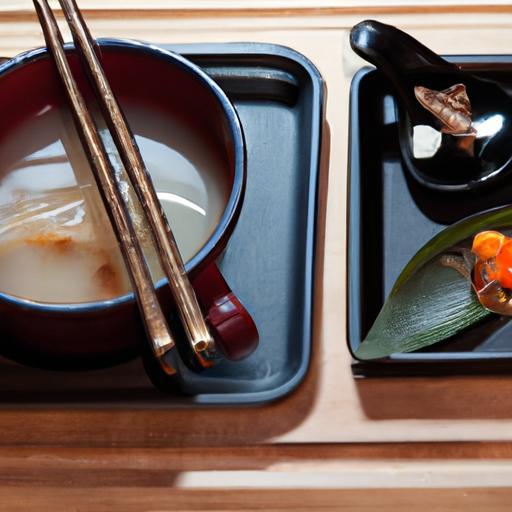
Serve miso soup piping hot in rustic lacquerware or simple ceramic bowls to highlight its earthy and inviting hues. Garnish with delicate sprigs of mitsuba (Japanese wild parsley) or a few chili threads for subtle heat and visual contrast. Pair with a side of steamed jade-green edamame and a bowl of fluffy Japanese rice for a complete, comforting meal. For an elevated dining experience, accompany the soup with pickled vegetables or a light sashimi plate.

| Nutrient | Per Serving |
|---|---|
| Calories | 70 kcal |
| Protein | 6 g |
| Carbohydrates | 5 g |
| Fat | 2 g |
For those eager to deepen their culinary journey, explore our ultimate guide to Japanese dashi-the backbone of perfect miso soup. Additionally, authoritative insights on the science behind umami can be found at The Umami Details Center, a valuable resource that explains the savory magic of ingredients like miso and seaweed.
Q&A
Q&A: Unlocking Umami: The Art and Science of Japanese Miso Soup
Q1: What exactly is umami,and why is it so essential in Japanese miso soup?
A1: Umami,often called the ”fifth taste,” is that savory,mouth-watering flavor that lingers and makes your taste buds sing. In Japanese miso soup,umami is the magic ingredient that transforms simple broth into a deeply satisfying experience. It arises primarily from glutamates present in ingredients like miso paste,kombu (kelp),and dried bonito flakes. This intricate dance of flavors creates a harmony that is both comforting and complex, embodying the essence of Japanese culinary artistry.
Q2: How does miso contribute to the umami profile of the soup?
A2: Miso,fermented soybeans bursting with umami-rich amino acids,serves as the heart of the soup. Its fermentation process breaks down proteins into glutamates, delivering that signature depth and savoriness. Depending on its variety-white (shiromiso), red (akamiso), or mixed (awase miso)-the intensity and flavor nuance shift, allowing for a versatile palette ranging from sweet and mild to strong and robust.
Q3: What role do dashi stocks play in enhancing umami in miso soup?
A3: Dashi is the soul behind the soup’s umami brilliance. Made from kombu kelp and katsuobushi (dried bonito flakes), dashi infuses the broth with natural glutamates and inosinate, creating a layered savoriness that supports and elevates the miso. This collaboration between fermented paste and fresh dashi stock exemplifies the Japanese beliefs of balancing flavors for ultimate harmony.
Q4: Can you explain the science behind why umami tastes so satisfying?
A4: Scientifically, umami activates specific taste receptors-notably those sensitive to glutamate and nucleotides like inosinate and guanylate-on our tongues. Thes compounds trigger complex signaling in the brain,frequently enough associated with satiety and pleasure. In essence, umami signals protein-rich nourishment, which is why humans find it especially rewarding and crave-worthy.
Q5: How does one master the art of preparing perfect miso soup to unlock its umami potential?
A5: Mastery lies in simplicity and timing. Start with a clear, well-made dashi stock to set a pristine umami base. Add miso paste gently, dissolving it off the heat to preserve its nuanced flavors and probiotics. avoid boiling after adding miso, as high temperatures can dull umami notes. Lastly, balance your additions-like tofu, seaweed, or green onions-to complement rather than overpower. With these mindful steps, each bowl becomes a symphony of umami.
Q6: Are there modern or creative twists that still honor the umami tradition in miso soup?
A6: Absolutely! While traditional miso soup remains timeless, chefs worldwide experiment by introducing seasonal vegetables, mushrooms, or even a splash of yuzu citrus to brighten the flavor.Some blend miso with consommé or add fermented miso variations to deepen complexity. Yet, even in innovation, the core principle remains: umami is king, and every ingredient plays its part in unlocking that savory treasure.
Q7: Why has miso soup endured as a cultural and culinary icon in Japan and beyond?
A7: Miso soup’s endurance stems from its perfect marriage of nutrition, flavor, and cultural meaning. It embodies simplicity,healthfulness,and comfort,making it a daily ritual for millions. Its umami-rich profile not only nourishes the body but also connects generations through shared taste memories. As global palates awaken to umami’s allure, miso soup stands as a delicious ambassador of Japanese culinary wisdom.
Unlocking umami through miso soup is both a science and an art-a celebration of natural flavors crafted with care and tradition. With every spoonful, you taste centuries of culture and the brilliance of fermentation, all woven into a humble bowl of soup.
Key Takeaways
As the final spoonful of miso soup warms your senses, you’re reminded that this humble bowl carries centuries of tradition, science, and artistry simmering together. Unlocking umami isn’t just about savoring a flavor; it’s about experiencing a cultural narrative brewed through time, where each ingredient plays its part in a harmonious dance of taste and texture. Whether you’re a curious foodie or a seasoned chef, delving into the world of Japanese miso soup reveals that true mastery lies in balancing nature’s simplest gifts with a practiced hand. So next time you lift that steaming bowl, savor not just the soup, but the story-and the art-that makes umami truly unforgettable.