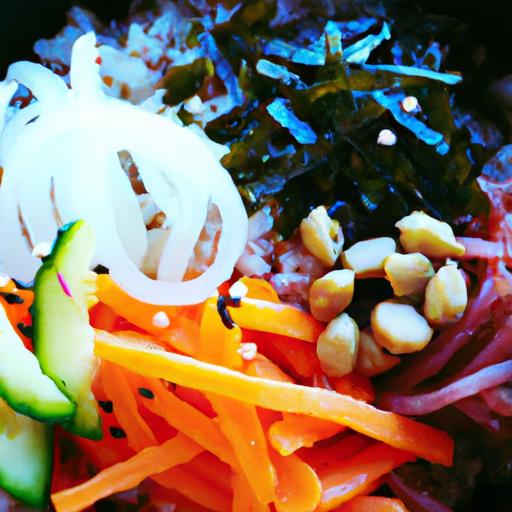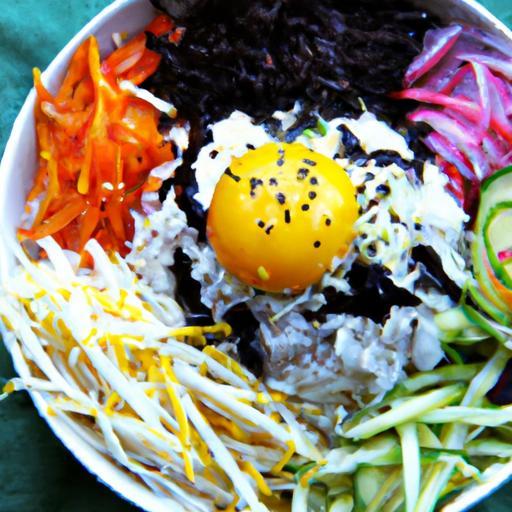

In the kaleidoscope of Korean cuisine, few dishes sparkle with as much colour and culture as bibimbap. This vibrant mixed rice bowl is more than just a meal-it’s a harmonious festivity of texture, flavor, and tradition. While bibimbap has long been beloved for its balance of savory, spicy, and fresh ingredients, the rise of vibrant vegan versions is redefining this classic dish for modern palates. Infused with an array of colorful vegetables, fragrant seasonings, and hearty plant-based proteins, vegan bibimbap not only honors Korea’s culinary heritage but also invites a nourishing twist that’s as visually stunning as it is tasty.Join us as we dive into the art and essence of vibrant vegan bibimbap, exploring how this colorful creation brings together health, tradition, and innovation in every lively bite.
Vibrant Vegan Bibimbap: Exploring the Colorful Ingredients That Bring Vegan Bibimbap to Life
Vibrant vegan bibimbap is a stunning collage of Korean flavors, textures, and colors that come together in perfect harmony. This customary mixed rice bowl,thoughtfully reimagined without animal products,invites you to explore a palette of fresh vegetables,hearty grains,and bold sauces that awaken every palate. From the crisp crunch of julienned carrots to the umami depth of marinated shiitake mushrooms, each component plays a vital role in crafting a bowl that is as nourishing as it is visually dazzling.
Prep and Cook time
Preparation: 30 minutes
Cooking: 25 minutes
Total Time: 55 minutes
Yield
Serves 4 vibrant bowls
Difficulty Level
Medium – Ideal for home cooks eager to master Korean vegan cuisine with approachable techniques
Ingredients
- 2 cups cooked short-grain white rice (preferably warm)
- 1 cup spinach, blanched and drained
- 1 cup bean sprouts, blanched
- 1 medium carrot, julienned
- 1 medium zucchini, julienned
- 1 cup shiitake mushrooms, sliced
- 1 block (14 oz) firm tofu, pressed and cubed
- 3 cloves garlic, minced
- 2 tbsp toasted sesame oil, divided
- 2 tbsp soy sauce (or tamari for gluten-free)
- 1 tsp sugar
- 1 tbsp vegetable oil
- 2 green onions, thinly sliced
- Salt and black pepper, to taste
- Gochujang (Korean red chili paste) – see sauce recipe below
Essential Techniques for Crafting Authentic Vegan Korean Sauces
Mastering the authentic Korean sauces is the secret weapon in elevating your vibrant vegan bibimbap.The star here is the fermented gochujang, creating a perfect balance of heat, sweetness, and umami. For a vegan-amiable seasoning sauce, mix 3 tbsp gochujang with 1 tbsp sesame oil, 1 tbsp soy sauce, 1 tbsp maple syrup, and a splash of water to thin. This luscious sauce coats each bite without overpowering the fresh ingredients.
instructions
- Prepare vegetables: Blanch spinach and bean sprouts in boiling water for 1-2 minutes; immediatly plunge into ice water, then drain. Squeeze spinach gently to remove excess water and season with a pinch of salt and 1 teaspoon sesame oil.
- sauté tofu: Heat 1 tablespoon vegetable oil in a non-stick pan over medium heat. Add cubed tofu and cook until golden and crisp on all sides, about 6-8 minutes. Season lightly with salt and set aside.
- Sauté mushrooms: In the same pan, add a splash of oil and sauté sliced shiitake mushrooms with minced garlic until fragrant and tender, approximately 5 minutes. Season with soy sauce and a pinch of sugar, stir well, then remove from heat.
- Cook carrots and zucchini: Using the same pan, sauté julienned carrots and zucchini individually with a small drizzle of sesame oil until just tender but still crisp, about 3 minutes each. Lightly salt and set aside.
- Assemble the bowl: place warm rice in each serving bowl. Artistically arrange spinach, bean sprouts, carrots, zucchini, mushrooms, and tofu over the rice in colorful sections or concentric circles.
- Add finishing touches: Drizzle reserved sesame oil over the top and garnish with sliced green onions and toasted sesame seeds for added nutty crunch.
- Serve with sauce: Provide gochujang-based sauce on the side or drizzle on top. mix everything thoroughly right before eating to experience the vibrant texture and flavor marriage.
Chef’s Notes
- Vegetable swaps: Try incorporating bell peppers, sweet potato juliennes, or sautéed kale for more variety.
- Protein alternatives: Tempeh or seitan can replace tofu for different textures.
- Make-ahead tips: Prepare sauce and blanch vegetables up to 2 days in advance for quick assembly.
- Adjusting spice level: Add extra gochujang or a sprinkle of Korean chili flakes (gochugaru) for heat lovers.
- Rice tip: Slightly sticky rice works best to hold the toppings together but avoid overly mushy grains.
Serving Suggestions
Present your vibrant vegan bibimbap in wide, shallow bowls to showcase its rainbow of ingredients.Use a drizzle of extra sauce for gloss and sprinkle toasted seaweed flakes (gim) or crushed peanuts for an added crunch. Pair with a crisp cucumber kimchi or chilled barley tea to complement the bold flavors beautifully. Encourage guests to mix their bowls fully to experience the medley of tastes and textures with every spoonful.

Nutritional Information (per serving)
| Calories | Protein | Carbs | Fat |
|---|---|---|---|
| 420 kcal | 18g | 55g | 12g |
For more Korean vegan dishes that celebrate color and balance, check out our Vegan Korean recipes collection. To deepen your understanding of gochujang and its fermentation process, visit the korea Herald’s detailed guide.
Q&A
Q&A: Vibrant Vegan Bibimbap – Korea’s Colorful Mixed rice Bowl
Q1: What exactly is bibimbap?
A1: Bibimbap, which translates to “mixed rice,” is a beloved Korean dish that beautifully combines steamed rice with an array of colorful vegetables, savory proteins, and a spicy-sweet sauce called gochujang.Traditionally topped with a fried egg and sometimes sliced beef, it’s stirred together just before eating to create a harmonious burst of flavors and textures.
Q2: How does a vibrant vegan bibimbap differ from the traditional version?
A2: The vegan version honors all the vibrant elements but swaps out animal products for plant-based delights. Instead of beef and eggs, it features tofu, mushrooms, or tempeh for protein. The vegetables pop with color-think crunchy carrots, sautéed spinach, crispy bean sprouts, and earthy zucchini-celebrating nature’s bounty while keeping the dish completely animal-free and irresistibly fresh.
Q3: Why is bibimbap often called a ”rainbow on a plate”?
A3: Bibimbap’s magic lies in its vivid palette-a striking mosaic of reds, greens, yellows, whites, and browns.Each color represents a different vegetable or ingredient, symbolizing balance and nourishment in Korean culture. This kaleidoscope not only delights the eyes but packs a nourishing punch of vitamins, minerals, and antioxidants.
Q4: What’s the secret behind the gochujang sauce in vegan bibimbap?
A4: Gochujang is a fermented red chili paste that’s both spicy and subtly sweet. In vegan bibimbap, it provides the signature zing that ties all the ingredients together.Made from chili powder, glutinous rice, fermented soybeans, and salt, it’s naturally vegan and adds complex layers of umami and heat-lifting the dish from simple to sensational.
Q5: Can bibimbap be made gluten-free and allergy-friendly?
A5: Absolutely! By using tamari or coconut aminos instead of regular soy sauce and ensuring the gochujang doesn’t contain wheat (some brands do), bibimbap can easily fit gluten-free diets. The veggie-forward nature also makes it adaptable for various allergies. Plus, it’s naturally dairy-free in its vegan incarnation!
Q6: What’s the best way to assemble and eat bibimbap?
A6: Start with a warm bowl of steamed rice as your canvas. Neatly arrange each vegetable and protein topping in separate sections to showcase their colors.Drizzle with gochujang and a light splash of toasted sesame oil. When ready to indulge, mix everything vigorously-transforming the rainbow plate into a deliciously unified, flavorful dish. The act of mixing symbolizes harmony, a key cultural element.
Q7: Why has vegan bibimbap gained popularity worldwide?
A7: Beyond its eye-catching beauty, vegan bibimbap resonates with modern food lovers seeking healthful, balanced meals bursting with taste and plant-based goodness. It’s a culinary ambassador for korean cuisine,offering inclusivity with endless variations. Vibrant, wholesome, and customizable, it’s a bowl of comfort and culture that transcends borders.
Q8: any tips for making the most vibrant vegan bibimbap at home?
A8: Choose fresh, seasonal vegetables to maximize color and flavor. Experiment with quick pickles or roasted veggies for extra texture. Don’t skimp on the sesame oil and garnish with toasted sesame seeds or crispy seaweed flakes for that authentic crunch. Most importantly, have fun mixing your colorful creation-that’s part of the joy!
Wrapping Up
As the final spoonful of vibrant vegan bibimbap melts on your palate, you’ll realize that this colorful mixed rice bowl is much more than just a meal-it’s a celebration of Korea’s rich culinary heritage, reimagined through plant-based creativity. Each bite is a harmonious blend of textures, flavors, and colors, inviting you to savor the artistry and balance that make bibimbap a timeless classic.Whether you’re a seasoned vegan or a curious foodie, this dish offers a delicious gateway into korea’s vibrant food culture, proving that plant-based eating can be as dynamic and satisfying as it is nourishing. So go ahead-mix it up, dig in, and let the colorful symphony of vegan bibimbap brighten your table and your taste buds alike.