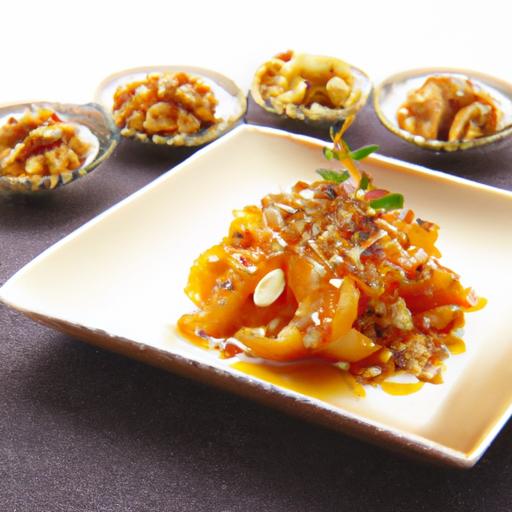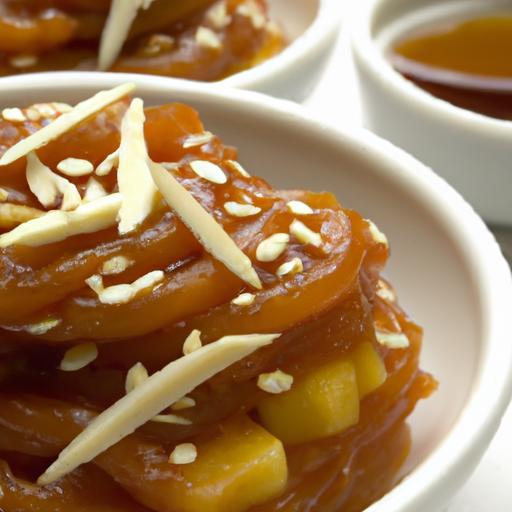

In the vibrant tapestry of Korea’s culinary heritage, few treats capture the essence of tradition and sweetness quite like Yakgwa. Often described as a honey-glazed treasure, this delicate deep-fried delicacy has graced festive tables and ceremonial occasions for centuries, weaving together the rich flavors of honey, sesame oil, and aromatic spices into every bite. More then just a dessert, Yakgwa is a symbol of celebration, a marker of history, and a testament to Korea’s enduring love for sweets that are both artful and meaningful. Join us as we delve into the origins, cultural significance, and irresistible taste of Yakgwa – a sweet journey into Korea’s timeless dessert craft.
yakgwa, Korea’s sweet honey-glazed delight, has been cherished for centuries not only as a dessert but as a symbol of celebration and cultural pride. This conventional confection, with its golden hue and aromatic honey infusion, evokes the warmth of royal court feasts and festive gatherings. growing up, I remember savoring yakgwa during Chuseok, the Korean harvest festival, where each bite offered a perfect balance of crispy exterior and chewy, fragrant sweetness-an edible memory that connects past generations to the present.
Origins and Cultural Significance of Yakgwa in Korean Tradition
Yakgwa’s origins trace back to the Goryeo Dynasty (918-1392), where it was enjoyed as a luxurious treat, often served during ancestral rites and important ceremonies. the name “yakgwa” roughly translates to “medicinal confection,” referencing the use of honey, traditionally viewed as a healthful ingredient. Over time, yakgwa became emblematic of good fortune, hospitality, and reverence, frequently gifted to mark celebrations such as weddings, Lunar New Year, and special feasts. Its meticulous planning and honey glaze symbolize both sweetness in life and the artistry of Korean culinary heritage.
Crafting the Perfect Yakgwa: Ingredients and Time-Honored Techniques
Creating authentic yakgwa is a rewarding process that combines simple ingredients with patience and precision.The foundation lies in a delicate dough made from wheat flour, sesame oil, and ginger juice, giving it a subtle warmth that complements the luscious honey coating. The key to the perfect texture is kneading the dough just enough to feel firm yet pliable, then shaping it into its signature flower-like molds.
The frying stage is critical: deep-frying at the right temperature creates a light, crispy crust without absorbing excessive oil.The finishing touch-the honey-soy syrup bath-imbues the yakgwa with its iconic glossy sheen and rich floral sweetness. traditional recipes frequently enough call for infusing the syrup with cinnamon and sesame for added depth.
Prep and Cook Time
- Preparation: 30 minutes
- Resting time: 1 hour (dough resting)
- Frying & glazing: 30 minutes
- Total: Approximately 2 hours
Yield
Makes about 20 pieces of yakgwa,depending on mold size.
Difficulty Level
Medium: Requires attention to dough consistency and frying temperature, but approachable with practice.
Ingredients
- 1 cup all-purpose flour, sifted
- 3 tbsp sesame oil
- 2 tbsp honey, plus ¼ cup for glazing
- 2 tbsp ginger juice (freshly grated ginger squeezed)
- 2 tbsp soy sauce
- 1 tbsp rice wine
- Vegetable oil, for deep frying (about 4 cups)
- 1 tsp cinnamon powder
- 1 tbsp toasted sesame seeds, for garnish
Instructions
- Prepare the dough: In a mixing bowl, combine all-purpose flour, sesame oil, honey, and ginger juice.Knead gently until a firm yet slightly pliable dough forms. Wrap in plastic and let rest for 1 hour to develop flavor and elasticity.
- Shape the yakgwa: roll out the dough to approximately ¼ inch thickness. Using a flower-shaped mold or cookie cutter, cut the dough into shapes. Use a toothpick to create decorative patterns or indentations, keeping the traditional floral motif alive.
- Heat oil for frying: In a deep, heavy-bottomed pot, heat vegetable oil to 320°F (160°C). Maintain this moderate temperature to ensure even cooking without burning.
- Deep-fry the dough pieces: Carefully drop the shaped dough into the hot oil, frying 3-4 pieces at a time. Fry until golden brown,about 5 minutes,turning occasionally to cook evenly. Avoid overcrowding to keep oil temperature steady.
- Drain excess oil: Using a slotted spoon, transfer the fried yakgwa to a wire rack or paper towels to remove excess oil.
- Make the honey glaze: In a small saucepan, combine ¼ cup honey, soy sauce, rice wine, and cinnamon powder.Warm gently until syrupy and combined, stirring to prevent burning.
- Glaze the yakgwa: Dip or brush each fried piece thoroughly with the warm honey-soy syrup. Let them rest on a wire rack to cool and absorb the glaze, about 20 minutes.
- Garnish and serve: Sprinkle with toasted sesame seeds just before serving to add a nutty crunch and visual contrast.
Tips for Success
- For a lighter yakgwa, ensure the oil temperature stays consistent. Using a thermometer helps avoid undercooked or overly greasy bites.
- If you can’t find fresh ginger juice, substitute with a teaspoon of high-quality powdered ginger mixed with a tablespoon of water.
- The dough can be made a day ahead and refrigerated-just bring it back to room temperature before shaping.
- Use honey varieties like acacia or wildflower for unique floral notes; avoid overly processed honey to maintain depth.
- For gluten-free enthusiasts, try substituting part of the flour with rice flour, but expect a slightly different texture.
Savoring the Sweetness: Pairing Yakgwa with Tea and Celebratory Moments
The sublime honey glaze and fragrant spices in yakgwa pair exquisitely with traditional Korean teas like barley tea (boricha) or green tea. The gentle bitterness and earthy undertones of these brews balance the dessert’s sweetness, creating a harmonious tasting experience. Yakgwa is often served during joyous occasions-weddings, harvest festivals, and ancestral rites-each piece a token of gratitude and festivity.
Where to Find Authentic Yakgwa and Tips for Storing Homemade Delights
Finding authentic yakgwa is a delightful endeavor. Specialty korean confectionery shops and traditional markets in Seoul, such as Insadong, are goldmines for handmade treats that honor centuries-old recipes.When buying or making yakgwa,store them in an airtight container at room temperature for up to two weeks,preserving their chewy texture and honeyed shine. For longer storage, refrigeration is absolutely possible but allow to come to room temperature before serving to restore the ideal chewiness.
| Nutrient | Per Serving (one piece) |
|---|---|
| Calories | 130 kcal |
| Protein | 1.2 g |
| Carbohydrates | 18 g |
| Fat | 6 g |

For a deeper dive into Korean traditional sweets, check out our complete guide to Korean desserts and discover more inspiring recipes.
Q&A
Q&A: Yakgwa – Exploring Korea’s Sweet Honey-Glazed Delight
Q1: What exactly is Yakgwa?
A1: Yakgwa is a traditional Korean confection, often described as a sweet, deep-fried biscuit or cookie, soaked in honey-infused syrup. Its name literally means “medicine cookie” – a nod to its historical use as a healthful treat believed to strengthen the body. With its rich golden color and honey glaze, Yakgwa offers a delightful balance of sweetness and chewiness, making it a beloved dessert for centuries.
Q2: Where did Yakgwa originate?
A2: Yakgwa traces its roots back to the Goryeo and early Joseon dynasties (roughly 900-1400 AD). Originally crafted for royal courts and aristocrats, it was considered a delicacy that symbolized wealth and respect. Over time, Yakgwa found its way into common households, festivals, and ceremonies, becoming a representative sweet of Korean culinary tradition.Q3: What are the main ingredients in yakgwa?
A3: At its core, Yakgwa is made from wheat flour, sesame oil, ginger juice, rice wine (or soju), and honey. These ingredients combine to create a dough that’s gently deep-fried until golden, then drenched in a thick honey syrup, sometimes flavored with cinnamon or pine nuts. The ginger and sesame oil give it a subtle warmth and fragrance, balancing the saccharine coat.
Q4: How is Yakgwa traditionally prepared?
A4: Preparing Yakgwa is a labor of love. The dough is mixed and kneaded, then shaped into delicate floral or geometric patterns using special molds or by hand. After frying in sesame oil at a controlled temperature, each piece is soaked in a warm honey syrup to absorb the sweet glaze. The process requires careful timing and skill to ensure the perfect texture-crispy on the outside yet soft and chewy inside.
Q5: What occasions is Yakgwa associated with?
A5: Yakgwa is more than a treat-it’s a cultural emblem served during Korean festivals, weddings, ancestral rites, and the Lunar New Year. Its auspicious honey coating symbolizes sweetness and blessings for the future, making it a staple on celebratory tables. Even today,gifting Yakgwa is seen as a gesture of goodwill and respect.
Q6: How does Yakgwa compare to othre Korean sweets?
A6: Unlike rice-based confections like tteok (rice cakes) or the light, airy bingsu (shaved ice dessert), Yakgwa offers a dense, rich sweetness. It is indeed uniquely textured-chewy with a slight crunch from frying-and deeply infused with honey’s floral notes. This sets it apart as a dessert that’s indulgent yet comforting, bridging ancient tradition and modern palate.
Q7: Can Yakgwa be enjoyed outside Korea?
A7: absolutely! Thanks to growing global interest in Korean cuisine, Yakgwa is increasingly found in specialty Korean bakeries and cultural festivals worldwide. Its striking appearance and distinctive flavor profile appeal to adventurous food lovers who seek authentic tastes of Korea’s heritage. Plus, with some effort, it can be made at home using accessible ingredients.
Q8: Any tips for savoring Yakgwa?
A8: For the best experience, enjoy Yakgwa with a warm cup of traditional Korean tea, such as omija (five-flavor berry tea) or ginger tea.The tea’s slight bitterness beautifully counterbalances the honey’s sweetness. Also, savor it slowly to appreciate the intricate layers of flavor-the nutty aroma, spicy ginger hint, and lush honey glaze harmonize in every bite.
Whether your a dessert devotee or a curious cultural explorer, Yakgwa offers a sweet journey into Korea’s culinary past and present-a golden treasure glazed with history and heart.
In Retrospect
As the golden glaze of yakgwa lingers on your palate, you’re reminded that this humble honeyed treat is more than just a dessert-it’s a delicious bridge connecting centuries of Korean tradition with the present day. Whether enjoyed during festive celebrations or as a comforting snack, yakgwa’s rich flavors and delicate texture tell a story steeped in history, artistry, and cultural pride. So next time you stumble upon this sweet honey-glazed delight, take a moment to savor not just its taste, but the timeless heritage wrapped within each bite.In the world of Korean confections, yakgwa truly shines as a sweet treasure worth discovering again and again.